Generation Hub
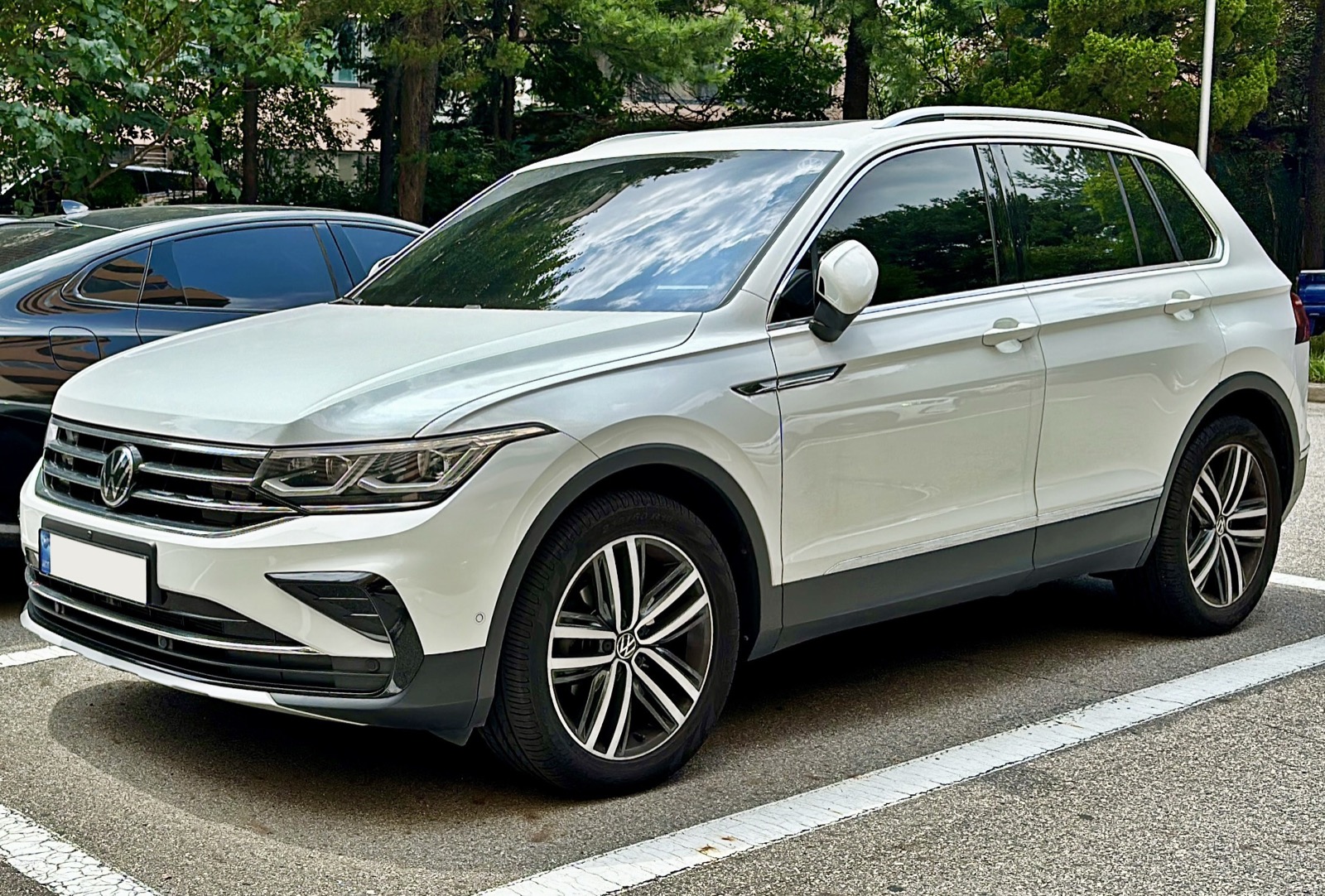
Volkswagen Tiguan Tiguan II Facelift
2020-2024
The Tiguan II facelift is the version most owners end up cross-shopping or keeping long enough to run into the same repeat complaints: front brake vibration, cooling-system seepage, intermittent EPC behavior, and the small suspension noises that make the SUV feel older than it is.
Start here
If this is your first stop on the generation, use these paths to get to the most useful problem, parts, and comparison pages faster.
Best next read
Start with facelift versus pre-facelift
Use this first if you are still mixing older Mk2 advice into the facelift-era ownership pattern.
Best next read
If the car hesitates or shows EPC
Begin with the load-related drivability and ignition pages before chasing random electronics.
Best next read
If the SUV feels less refined
Brake shake, coolant seepage, and front-end noise are the three fastest places to get traction on this generation.
Why this generation matters
These are the ownership patterns that repeat often enough to make the generation hub more useful than a single model-year page.
- This 2020-2024 facelift window is where the Tiguan settles into its everyday ownership pattern, especially around the 2.0T gas engine and normal family-SUV use.
- Most of the expensive mistakes happen when owners treat brake vibration, coolant loss, or load-related drivability faults as random one-offs instead of repeat platform issues.
- If you stay disciplined on brake parts, coolant spec, and ignition maintenance, the platform is usually much easier to live with than the internet makes it sound.
Common trouble spots
These are the areas worth checking first when this generation starts feeling rougher, noisier, or less sorted.
- Front brake vibration and pad wear show up early if the SUV spends a lot of time in traffic or gets low-quality replacement parts.
- Small coolant loss can stay hidden for too long because the first signs are often residue or smell, not a dramatic puddle.
- EPC warnings and hesitation under load often trace back to ignition or boost-related weak links, not some mystery electronic curse.
- Front-end knocks, sway-bar-link noise, and alignment-sensitive vibration all chip away at refinement quickly on these cars.
Best first parts to check
These are the first repair areas worth checking before the diagnosis gets more expensive than it needs to be.
- For brake shake, start with pads, rotors, and hardware quality before blaming the whole front end.
- For coolant loss, confirm exact coolant spec and inspect for small seepage before mixing fluids or topping up forever.
- If EPC or hesitation shows up under load, check spark plugs and coils before turning the car into an electronics mystery.
- If the front end feels busy or noisy, inspect sway-bar links, tire condition, and wheel torque before escalating to larger suspension theories.
Ownership notes
Use these notes to keep diagnosis and parts buying grounded in how this generation is actually used.
- Check trim, axle setup, and wheel size before ordering brake parts because Tiguan fitment gets messy fast when listings are too broad.
- Do not mix random coolant types. On this platform, fluid spec matters more than brand marketing.
- If the car is a 4MOTION model, stay stricter on tire matching and rotation so you do not misread driveline or chassis behavior.
- When the car misfires or throws EPC warnings under load, scan it before clearing anything. The useful clue is usually in the first code set.
Pre-facelift vs facelift
These notes help keep the current generation window separate from earlier overlap where the parts and ownership pattern start to drift.
- The facelift years overlap heavily in core maintenance patterns, but supplier changes and trim packaging still mean VIN-level confirmation matters for some parts.
- Earlier pre-facelift Mk2 Tiguans can share broad symptoms, but the 2020-2024 group is the cleaner place to keep electronics, trim, and parts guidance together.
Which trims or years need extra care
These are the places where advice starts drifting if you treat the whole generation like one identical car.
- Do not flatten pre-facelift and facelift Tiguans together if the page is supposed to help with parts buying. The overlap is real, but the trim and supplier differences still matter.
- FWD and 4MOTION ownership logic overlaps until tires, driveline behavior, and chassis diagnosis enter the picture. Then the split matters quickly.
- This hub assumes the mainstream 2.0T facelift ownership pattern. Market-specific diesel or hybrid variants should not inherit the same parts and cooling advice blindly.
Problem guides for this generation
Start with these if the car is showing the symptoms owners in this generation range run into most often.
Problem guide
Car shakes when braking
If the car shakes when braking, start with the obvious brake and front-end checks before guessing.
Problem guide
Coolant level drops with no visible leak
A falling coolant level without a puddle usually means the system is losing pressure somewhere small before it becomes obvious.
Problem guide
EPC light comes on under acceleration
An EPC warning under load usually means the engine management system is seeing something it does not like once boost and throttle demand rise.
Problem guide
Oil level drops between services
A Tiguan that needs oil between services is not always catastrophic, but it is a problem worth measuring instead of normalizing.
Problem guide
Water leaks into cabin after heavy rain
Cabin water leaks are usually less mysterious than they look, but they get expensive fast if the source is left alone.
Best-parts guides for this generation
These parts pages are the fastest way to narrow the shortlist once you know the repair area.
Batteries
Best batteries for VW Tiguan 2020
The right Tiguan battery is the one that matches the SUV’s real use pattern instead of barely surviving another season.
Brake Pads
Best brake pads for VW Tiguan 2020
The best brake pad choices for a 2020 VW Tiguan if you want a clean, quiet daily-driver setup and not marketing hype.
Coolant
Best coolant for VW Tiguan 2020
On a Tiguan, the right coolant matters more than it seems because using the wrong chemistry can create a second problem while you are trying to solve the first.
Engine Oil
Best engine oil for VW Tiguan 2020
The right Tiguan oil is mostly about using the correct VW-friendly spec consistently, not chasing the fanciest bottle on the shelf.
Ignition Coils
Best ignition coils for VW Tiguan 2020
The right Tiguan ignition coil is the one that restores clean power under load without sending you back into diagnosis next week.
Ownership guides for this generation
Use these flagship guides when you want the broader repeat-pattern view before dropping into a single symptom or parts page.
Comparison guides for this generation
Use these when the next question is which engine, drivetrain, or powertrain version the advice actually applies to.
Drivetrain guide
VW Tiguan FWD vs 4MOTION
A practical guide to where front-wheel-drive and 4MOTION Tiguan ownership really diverges, including tires, driveline load, maintenance priorities, and parts-buying mistakes.
Generation guide
VW Tiguan pre-facelift vs facelift
A practical guide to what really changed between the earlier Mk2 Tiguan and the 2020-2024 facelift, including fitment, trim confusion, and where advice stops carrying over cleanly.