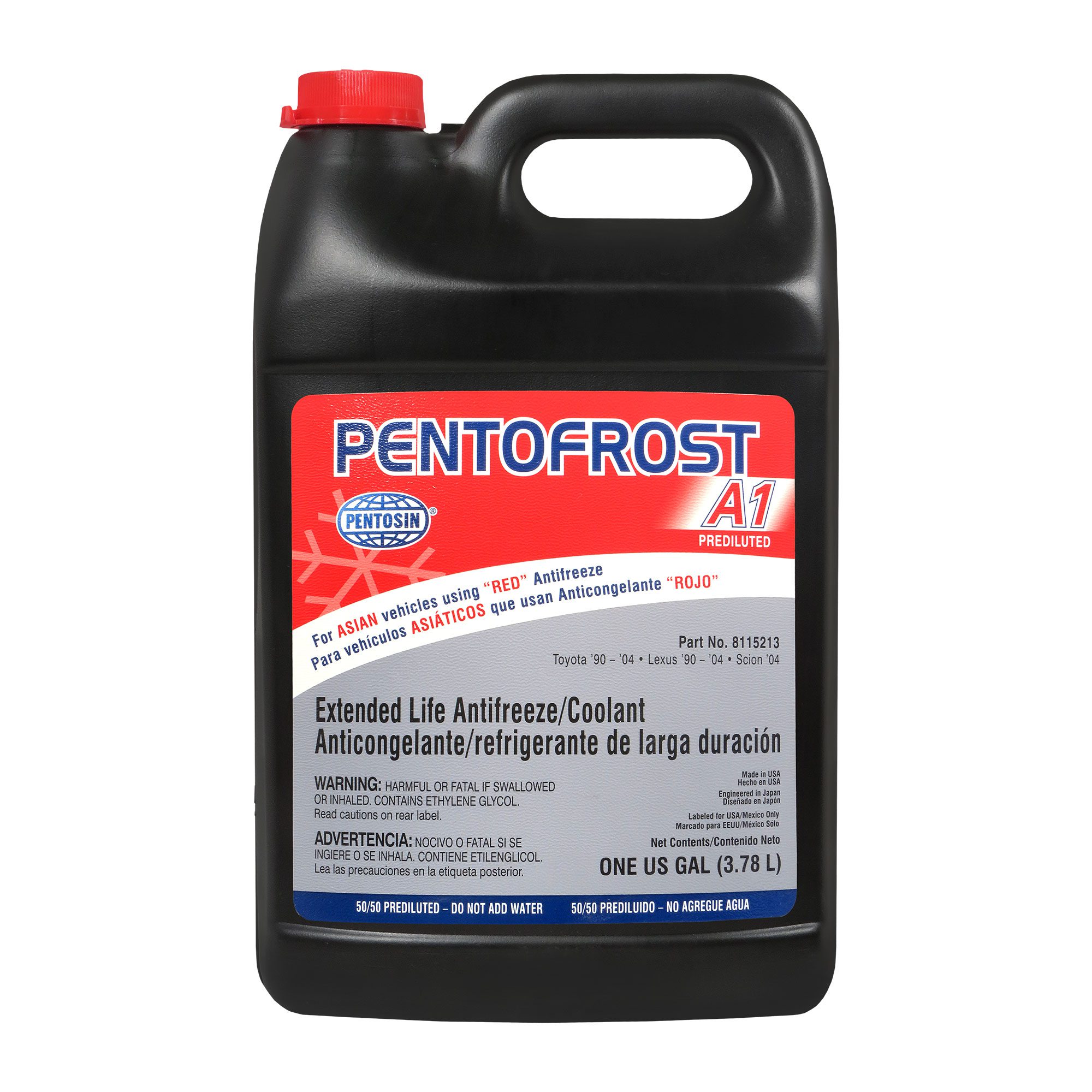
Pentosin Pentofrost E Coolant
Correct-spec coolant option for topping up or refilling the system once the leak source is confirmed.
$27
View productKreativ Auto
Use this guide to figure out what the symptom usually means, how urgent it is, and what to check before buying parts or booking the repair.
Editorial review
These problem guides are written to help drivers identify the most likely cause, make a sensible first check, and avoid wasting money on the wrong repair.
This is the short version if you want to decide how serious the problem is before digging deeper.
Repair urgency
Medium because a small coolant loss can stay subtle until it turns into an overheating problem
Can you drive it?
Short-term driving is sometimes possible if the level is monitored closely, but repeated coolant loss should not be ignored
Estimated cost
$20 to $700 depending on whether the issue is a cap, hose, housing, or water pump-related repair
DIY difficulty
Easy for monitoring and visual inspection, moderate for pressure testing, harder for cooling-system part replacement
Use this section if you want the shortest path from symptom to the first sensible check.
Quick verdict
A slow coolant drop with no obvious puddle is usually a small pressure leak or weak cap problem, not a mystery that gets better on its own.
First thing to check
Inspect the reservoir, cap, water pump area, and hose connections for dried coolant residue before you top up again.
Often confused with
Stop driving if
These are the signs drivers usually notice before the real cause is confirmed.
Start with the common causes first so diagnosis stays efficient and the wrong parts do not get ordered too early.
Work through these in order so you can confirm the problem before spending money on parts.
These are the signs that the problem is moving past a basic driveway diagnosis.
These are the errors that usually waste time, money, or both.
Before you order parts or assume the diagnosis is universal, check the trim, phase, and powertrain notes below.
These are the parts most likely to matter once the diagnosis is pointing in the right direction.
Correct-spec coolant option for topping up or refilling the system once the leak source is confirmed.
$27
View product Useful if testing points to a weak cap rather than a larger coolant-system failure.
$18
View productThese vehicle pages give you more context if the same symptom shows up on a specific model.
If you already know the likely repair area, these guides can help you compare the next parts to look at.
Yes. Small pressure leaks can evaporate on hot engine parts or only seep while the system is fully warmed up.
Only as a temporary step. Repeated coolant loss still needs to be diagnosed before it becomes a bigger repair.