
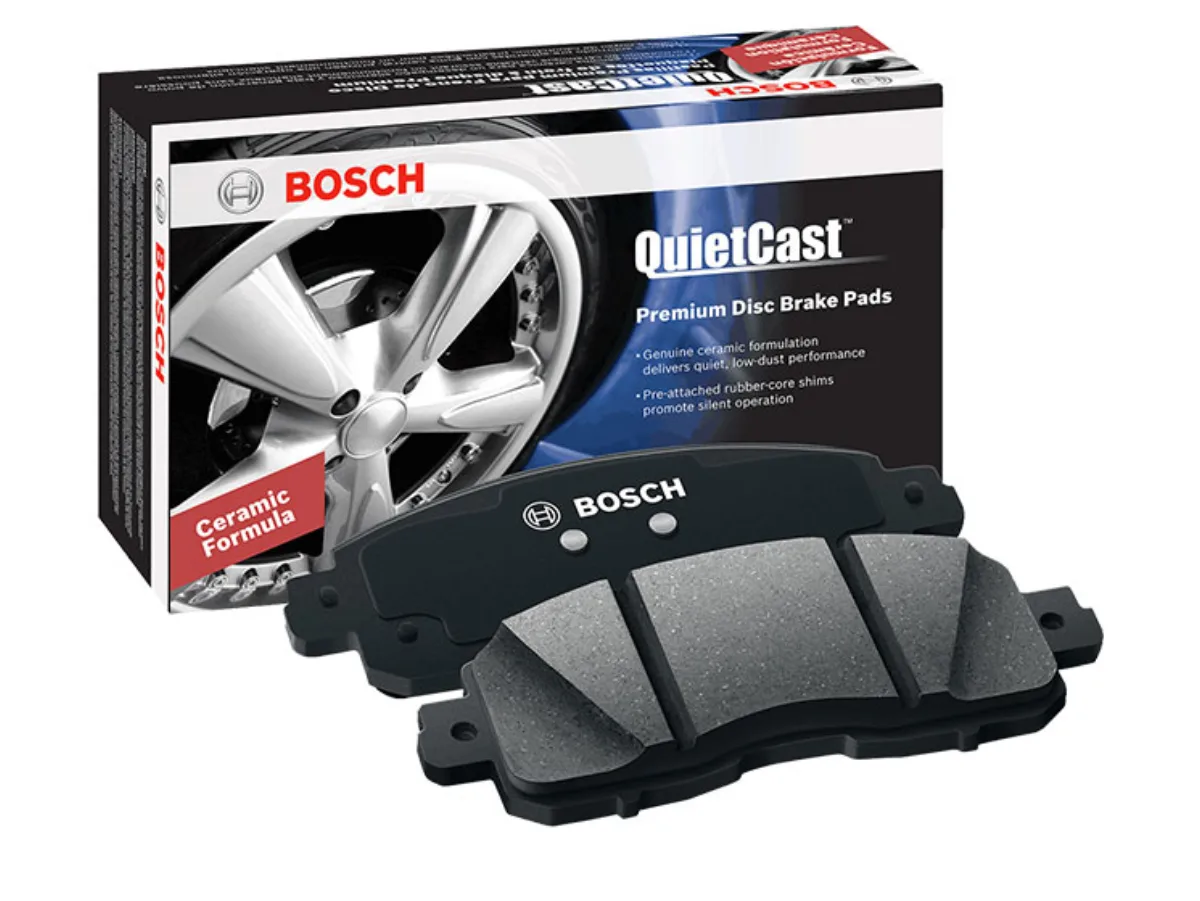
Bosch QuietCast Premium Front Brake Pads
A quieter front-pad option if the goal is to make the C-Class feel more refined in daily use.
$92
View productNo matching results found.
Kreativ Auto
A C-Class front-brake squeal at low speed is usually a pad-and-hardware refinement problem before it is anything dramatic.
Last updated April 16, 2026
Start with inspect the front pads, shims, hardware, and rotor surface before assuming something major is wrong..
Quick verdict
Most C-Class low-speed front-brake squeal complaints are about pad and hardware refinement, not deeper brake failure.
First thing to check
Inspect the front pads, shims, hardware, and rotor surface before assuming something major is wrong.
Can you drive it?
Usually yes, because this is often a refinement issue more than a safety issue.
Typical cost range
$0 to $420 depending on whether the fix is hardware service, pads, or a fuller front brake job.
DIY difficulty
Easy to moderate for inspection and normal front-brake service.
Often confused with
Stop driving if
Look for the details that separate front brakes squeal at low speed on mercedes-benz c-class 2019 from nearby complaints.
Pad compound and brake-hardware behavior that is too noisy for daily use. is the first cause to rule out before moving deeper.
Work through these fixes only after the checks match front brakes squeal at low speed on mercedes-benz c-class 2019.
Escalate front brakes squeal at low speed on mercedes-benz c-class 2019 when the symptom points beyond a simple inspection.
Avoid these shortcuts when chasing front brakes squeal at low speed on mercedes-benz c-class 2019.
These parts make sense only if the checks for front brakes squeal at low speed on mercedes-benz c-class 2019 point here.
A quieter front-pad option if the goal is to make the C-Class feel more refined in daily use.
$92
View productOpen the matching vehicle pages when front brakes squeal at low speed on mercedes-benz c-class 2019 needs model-year context.
These parts guides are useful once front brakes squeal at low speed on mercedes-benz c-class 2019 has a confirmed repair area.
Usually no, as long as braking feel is normal and the pads and rotors are still in good condition.
Yes. Pad compound and hardware condition make a big difference in low-speed squeal.