
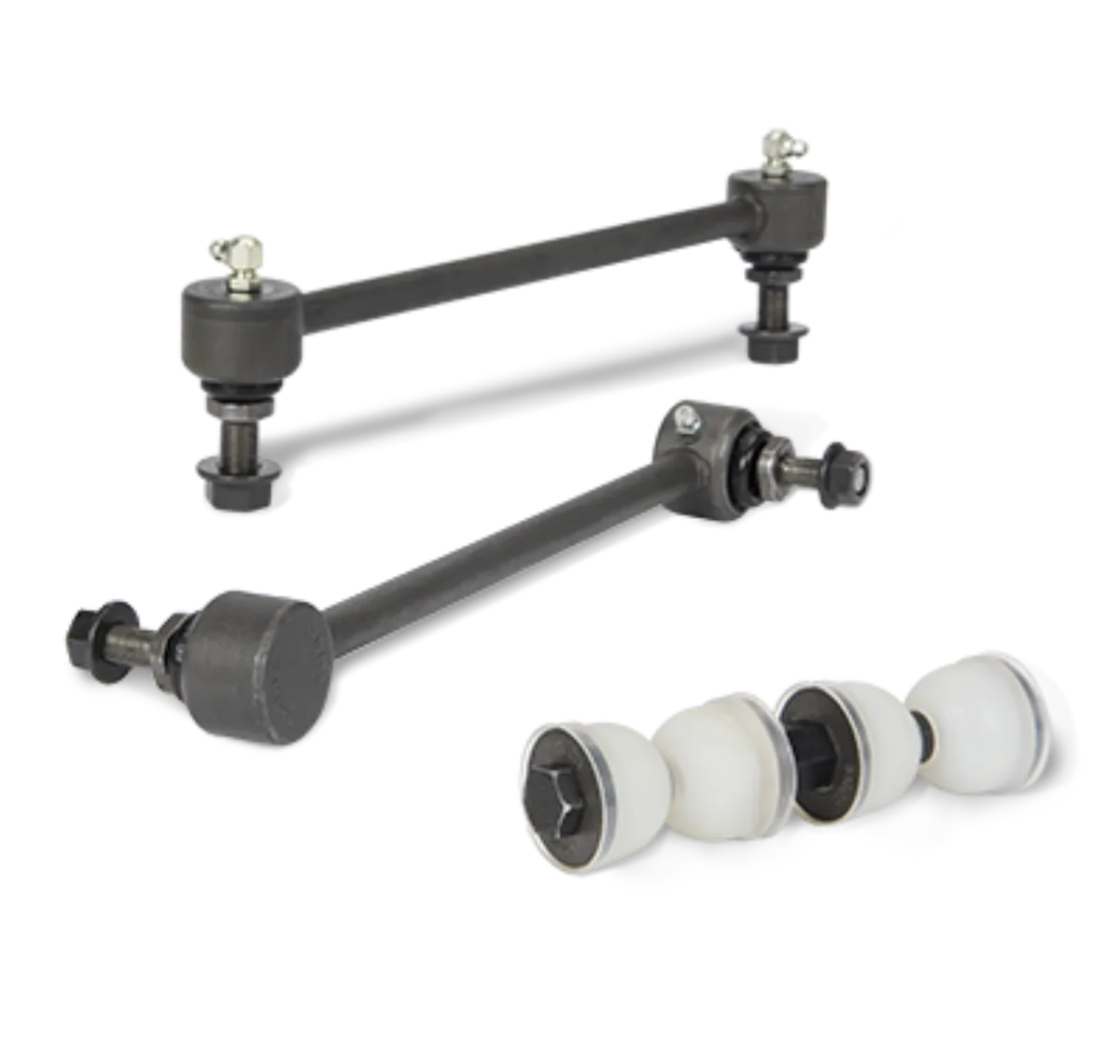
MOOG Sway Bar Links
Useful OE-style link replacement when the first front-end clunk points back to stabilizer hardware.
$52
View productNo matching results found.
Kreativ Auto
A front-end clunk on a Mazda 3 usually points to smaller suspension hardware before it turns into a broader front-end rebuild.
Last updated April 27, 2026
Start with start with the sway bar links and nearby front-end hardware because that is the cleanest first failure point..
Quick verdict
A Mazda 3 front-end clunk over bumps is usually a smaller suspension-hardware problem before it becomes a larger front-end job.
First thing to check
Start with the sway bar links and nearby front-end hardware because that is the cleanest first failure point.
Can you drive it?
Usually yes for short-term driving, but the noise should be diagnosed before the wear spreads or confidence in the front end drops
Typical cost range
$60 to $320 depending on whether the repair stays at the link level or expands into other front-end hardware
DIY difficulty
Moderate because inspection is straightforward, but access and confirming the actual worn part still matter
Often confused with
Stop driving if
Look for the details that separate front-end clunk over bumps on mazda 3 2020 from nearby complaints.
Sway bar links starting to loosen or wear out is the first cause to rule out before moving deeper.
Work through these fixes only after the checks match front-end clunk over bumps on mazda 3 2020.
Escalate front-end clunk over bumps on mazda 3 2020 when the symptom points beyond a simple inspection.
Avoid these shortcuts when chasing front-end clunk over bumps on mazda 3 2020.
Before you order parts or assume the diagnosis is universal, check the trim, phase, and powertrain notes below.
These parts make sense only if the checks for front-end clunk over bumps on mazda 3 2020 point here.
Useful OE-style link replacement when the first front-end clunk points back to stabilizer hardware.
$52
View productOpen the matching vehicle pages when front-end clunk over bumps on mazda 3 2020 needs model-year context.
These parts guides are useful once front-end clunk over bumps on mazda 3 2020 has a confirmed repair area.
Front Sway Bar Links
These Mazda 3 sway bar link picks are for owners who want a quiet, OE-style front end rather than a random suspension gamble.
Sway Bar Links
When a Tiguan starts clunking over bumps, sway bar links are often where the smart diagnosis starts.
Smaller suspension hardware such as sway bar links is a common first place to look.
Usually yes in the short term, but it is better to catch the first worn part before the noise spreads through the rest of the front end.