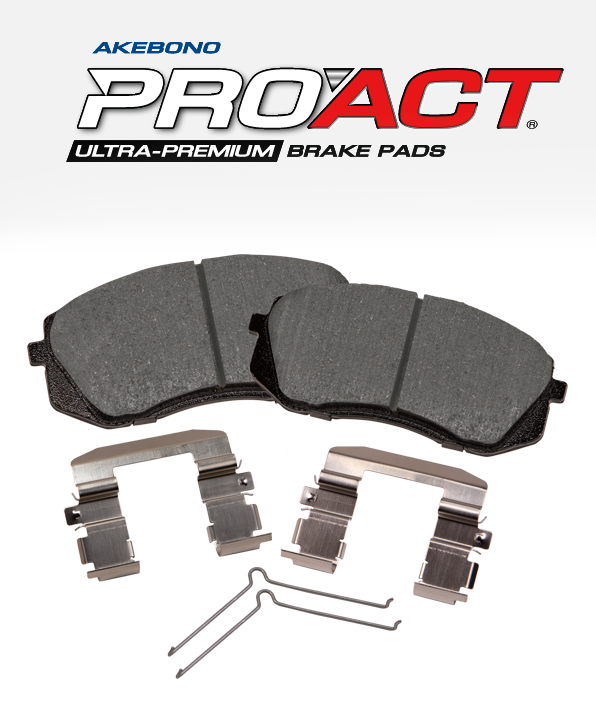
Akebono ProACT Ceramic Brake Pads
Quality replacement pad option once the worn hardware is diagnosed correctly.
$88
View productKreativ Auto
Use this guide to figure out what the symptom usually means, how urgent it is, and what to check before buying parts or booking the repair.
Editorial review
These problem guides are written to help drivers identify the most likely cause, make a sensible first check, and avoid wasting money on the wrong repair.
This is the short version if you want to decide how serious the problem is before digging deeper.
Repair urgency
High because continued driving can damage rotors and reduce braking safety
Can you drive it?
Only enough to move the car safely for inspection or repair; grinding brakes should not be treated as normal wear
Estimated cost
$150 to $700 depending on whether the damage is limited to pads and rotors or includes seized hardware
DIY difficulty
Moderate because inspection is straightforward, but brake repairs still need to be done correctly
Use this section if you want the shortest path from symptom to the first sensible check.
Quick verdict
Grinding brakes should be treated like a real wear-or-damage warning, not like an annoying noise that can wait until next week.
First thing to check
Inspect pad thickness and rotor damage immediately before you drive any farther than necessary.
Often confused with
Stop driving if
These are the signs drivers usually notice before the real cause is confirmed.
Start with the common causes first so diagnosis stays efficient and the wrong parts do not get ordered too early.
Work through these in order so you can confirm the problem before spending money on parts.
These are the signs that the problem is moving past a basic driveway diagnosis.
These are the errors that usually waste time, money, or both.
These are the parts most likely to matter once the diagnosis is pointing in the right direction.
Quality replacement pad option once the worn hardware is diagnosed correctly.
$88
View product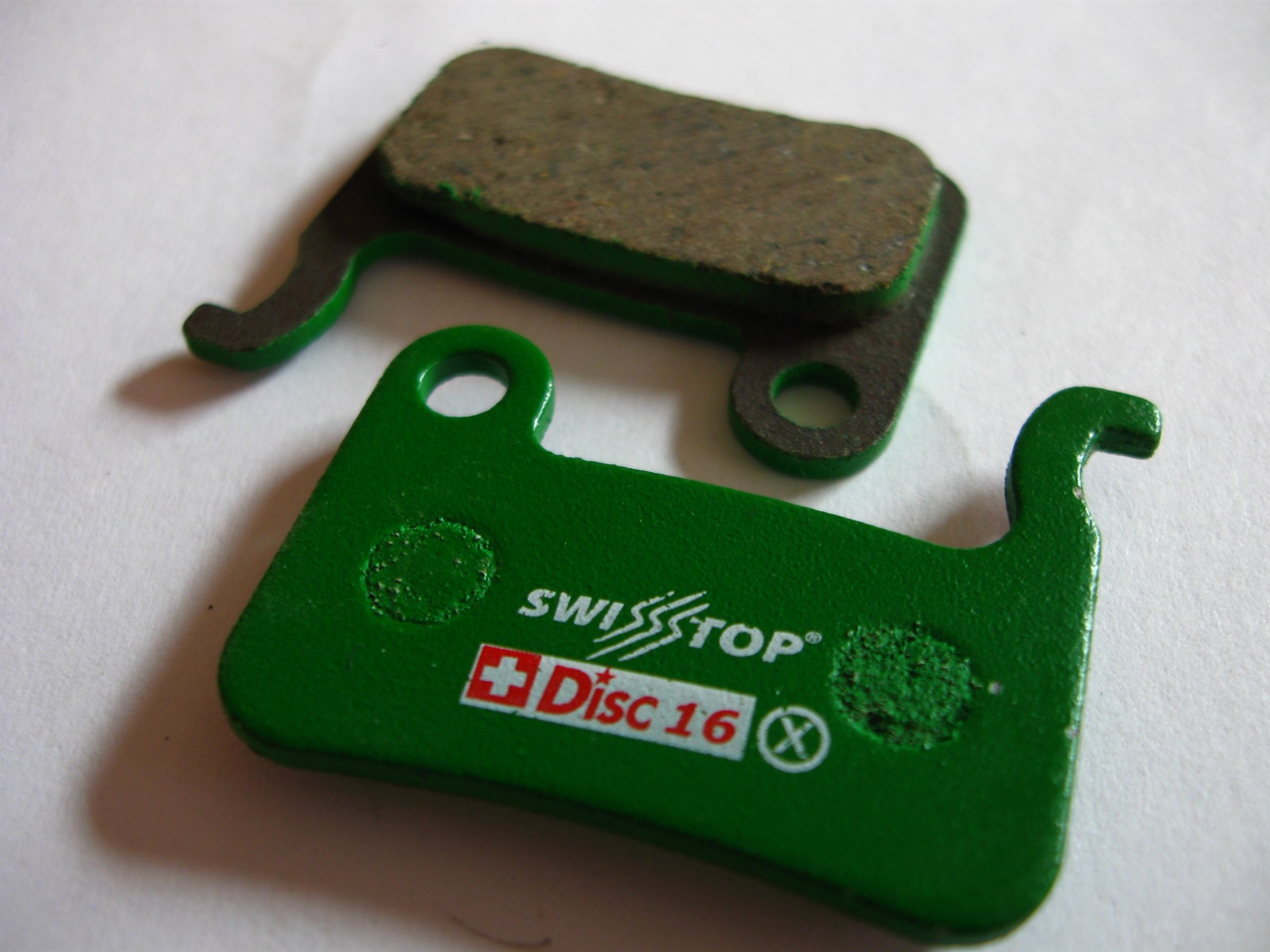
Good alternative if the goal is quiet daily-driver braking after the damaged parts are replaced.
$81
View productThese vehicle pages give you more context if the same symptom shows up on a specific model.
Car hub
What to watch on a 2020 Toyota RAV4 if you want to stay ahead of brake noise, humming hubs, and the small issues that make an SUV feel older than it is.
Car hub
The 2021 Toyota RAV4 issues and maintenance points that matter most if you want to keep the car quiet, smooth, and easy to live with.
If you already know the likely repair area, these guides can help you compare the next parts to look at.
Brake Pads
These RAV4 brake pad picks are for drivers who want a clean, quiet setup that feels right in normal daily use.
Brake Pads
These RAV4 brake pad picks are for drivers who want a quiet daily-driver setup, not a flashy parts list.
Brake Pads
The best brake pad choices for a 2020 VW Tiguan if you want a clean, quiet daily-driver setup and not marketing hype.
Often yes, but trapped debris or badly damaged hardware can also create a grinding sound, so an inspection still matters.
It should be treated as a near-immediate brake repair. The longer you drive, the more likely you are to damage rotors and reduce stopping safety.