
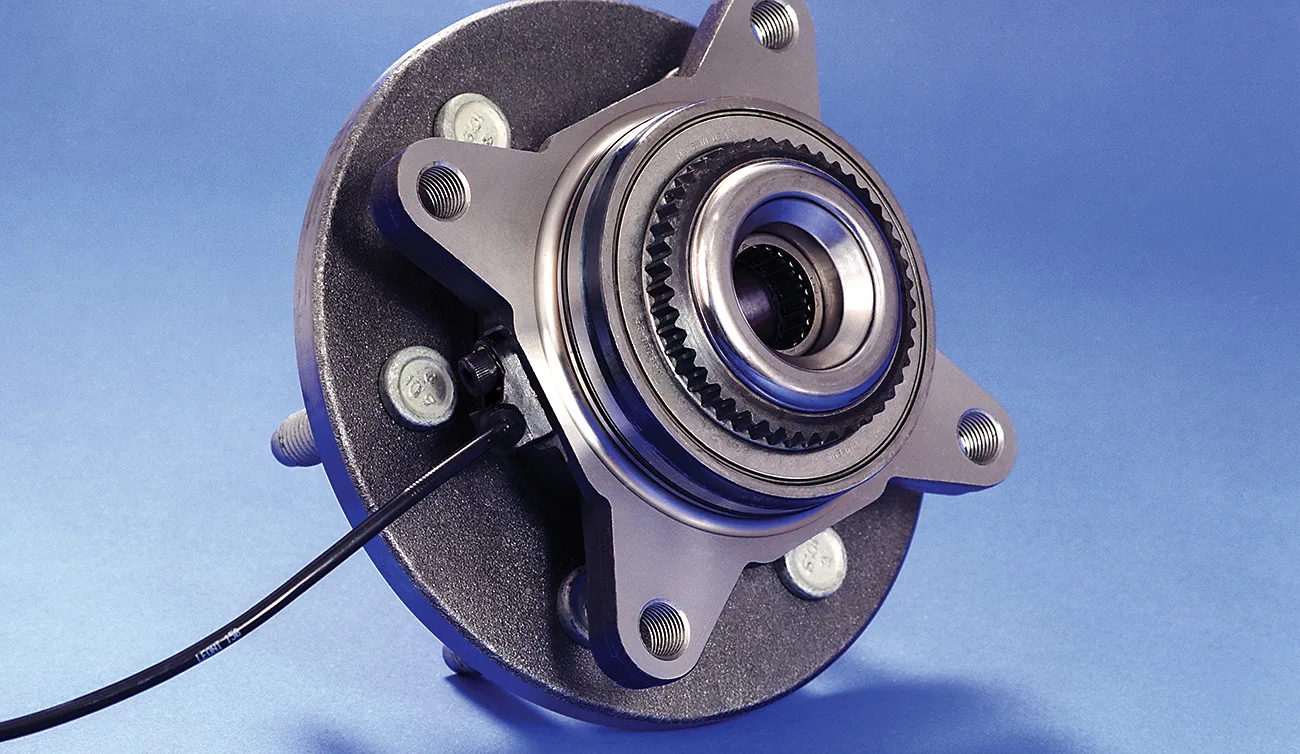
Timken Wheel Bearing Hub Assembly
A credible wheel-end repair option when the F-150 hum has been isolated to a true bearing or hub problem.
$168
View productNo matching results found.
Kreativ Auto
An F-150 that hums louder as speed rises is usually asking for tire-versus-hub diagnosis first, not blind parts swapping.
Last updated April 16, 2026
Start with check tire wear, rotate if needed, and separate tire hum from a true hub noise before spending bigger money..
Quick verdict
Most F-150 speed-related hum complaints are still a tire-versus-hub diagnosis first, not a mystery driveline failure.
First thing to check
Check tire wear, rotate if needed, and separate tire hum from a true hub noise before spending bigger money.
Can you drive it?
Usually yes in the short term if the truck still feels stable, but a growing hum should be diagnosed before heavier use or towing.
Typical cost range
$0 to $850 depending on whether the fix is tires, balance, or a hub assembly.
DIY difficulty
Easy for basic inspection, moderate for a real hub diagnosis.
Often confused with
Stop driving if
Look for the details that separate humming noise that gets louder with speed on ford f-150 2020 from nearby complaints.
Uneven or aggressive tire wear creating truck-like road noise that is worse than it should be. is the first cause to rule out before moving deeper.
Work through these fixes only after the checks match humming noise that gets louder with speed on ford f-150 2020.
Escalate humming noise that gets louder with speed on ford f-150 2020 when the symptom points beyond a simple inspection.
Avoid these shortcuts when chasing humming noise that gets louder with speed on ford f-150 2020.
These parts make sense only if the checks for humming noise that gets louder with speed on ford f-150 2020 point here.
A credible wheel-end repair option when the F-150 hum has been isolated to a true bearing or hub problem.
$168
View productOpen the matching vehicle pages when humming noise that gets louder with speed on ford f-150 2020 needs model-year context.
These parts guides are useful once humming noise that gets louder with speed on ford f-150 2020 has a confirmed repair area.
Tires
These Silverado tire picks are for owners who want a quieter, more stable highway truck instead of a more aggressive tire than they need.
Tires
If the F-150 shakes or drones more at highway speed than it should, tire choice matters more than most truck owners want to admit.
Tires
If the Camry shakes or drones more at highway speed than it should, tire choice matters more than most owners expect.
Tires
If the RAV4 shakes more at highway speed than it should, tire choice matters more than most owners expect.
Tires
Select Tacoma tires by the placard, exact fitment, load, road use, and confirmed condition rather than by a generic model-year result.
Wheel Bearings
The right F-150 wheel bearing is the one that solves the noise properly, not the one that is cheapest today.
Tire noise often changes more with pavement and rotation, while a bad hub usually keeps building with speed and becomes easier to isolate.
Sometimes briefly, but once it is a real bearing noise you should not keep normalizing it.