
Silverado 1500
Watch vibration, brakes, and towing clues
A good Silverado feels stable at speed and stops smoothly. Tire condition, wheel balance, brake pulsation, and fluid records decide whether the price is fair.
No matching results found.
Kreativ Auto
A used Silverado 1500 and a used F-150 can both be good buys, but the first-year cost picture often comes from the same places: tires, brakes, wheel-end noise, towing history, and service records that either match truck use or do not. The right truck is the one with the cleaner evidence, not the louder loyalty argument.
Editorial review
Used Silverado 1500 and F-150 comparison focused on first-year ownership costs and truck-specific inspection priorities.
Start with the buying answer, then check the sections below for the details that change the decision.
The cheaper truck is the one with fewer immediate truck-wear needs.
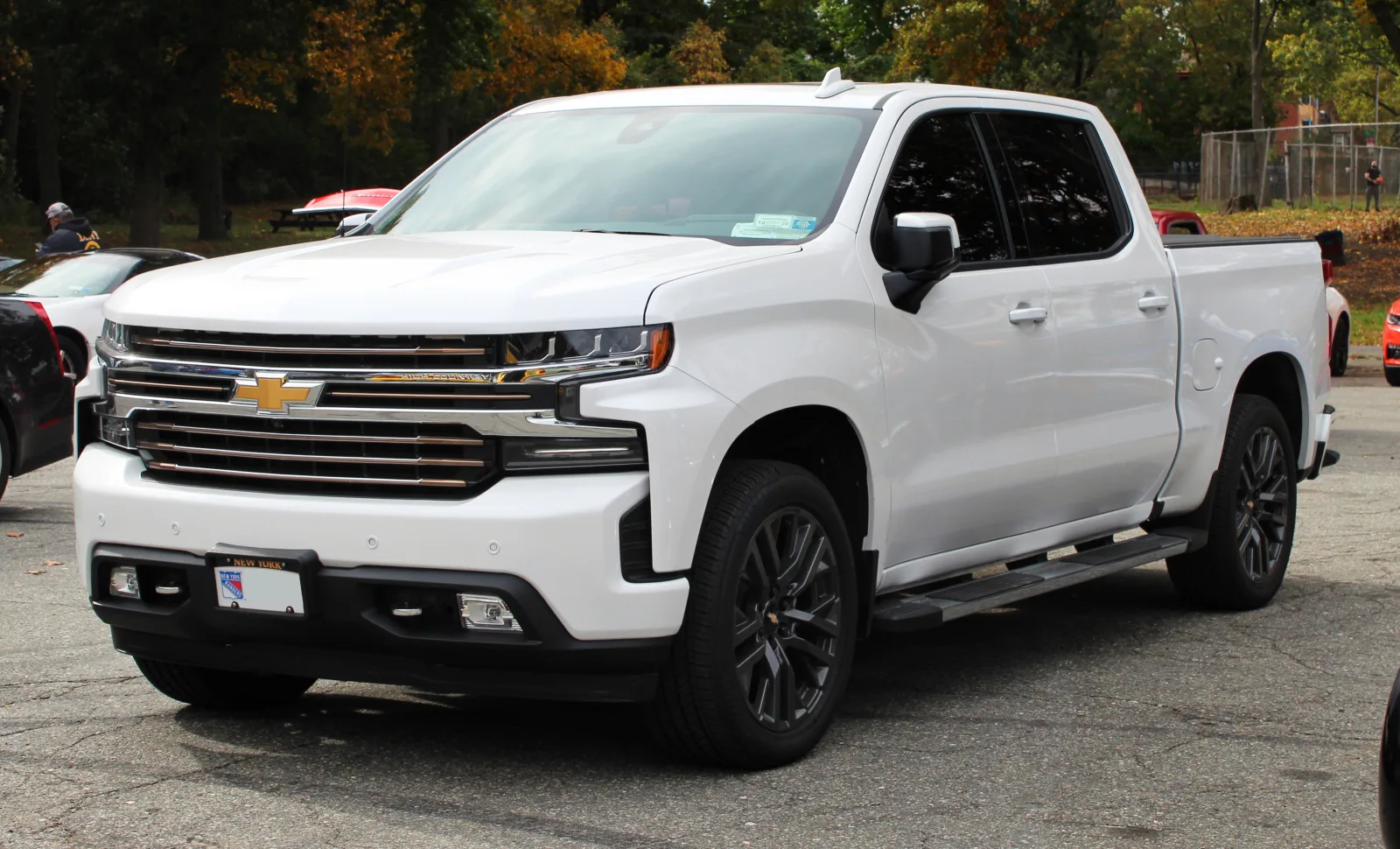
Silverado 1500
A good Silverado feels stable at speed and stops smoothly. Tire condition, wheel balance, brake pulsation, and fluid records decide whether the price is fair.
Ford F-150
A good F-150 feels solid and quiet for its size. Hub noise, tire wear, brake condition, and front-end clunks should be checked before choosing it over a Silverado.
Truck costs are usually ordinary, but ordinary truck parts are not always cheap.
The same inspection should be stricter than it would be on a family sedan.
The truck that survives this order deserves the stronger offer.
Condition decides more than brand loyalty.
Choose the Silverado when it is stable at speed, smooth under braking, and supported by records that fit its use. It is a strong value when tire, brake, and towing clues line up.
Choose the F-150 when it is quiet at speed, free of hub hum, and priced with any tire, brake, or front-end needs already considered. The better truck is the one with fewer expensive unknowns.
Move into the matching ownership page once one vehicle is the stronger candidate.
Not automatically. First-year cost depends on tires, brakes, towing history, wheel-end condition, fluid records, and the exact truck in front of you.
Tires, brake service, wheel-end diagnosis, battery condition, and catch-up fluid service are common first checks, especially on trucks that towed or hauled.
Start with tires, brakes, highway vibration, wheel-end hum, towing evidence, 4WD operation, and fluid service records.