
Taxonomy
Browse by part category
Start with the repair family after the symptom and vehicle checks point in the same direction. Each category keeps fitment, diagnosis, and buying checks close to the matching parts pages.
Category
A/C Condensers
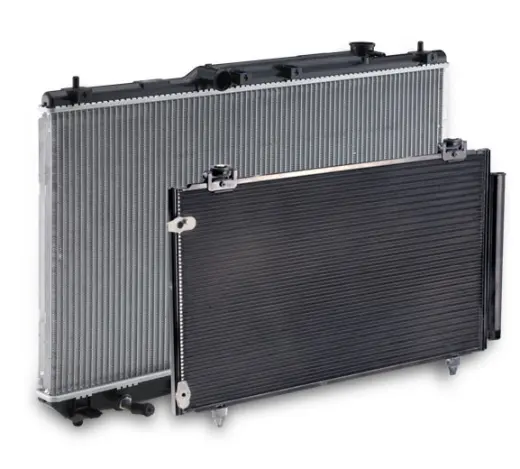
A good parts shortlist starts after the symptom, vehicle, and service history point toward the same repair area. Fitment still needs year, trim, engine, drivetrain, and package checks before ordering.
2 comparisons
Category
Batteries
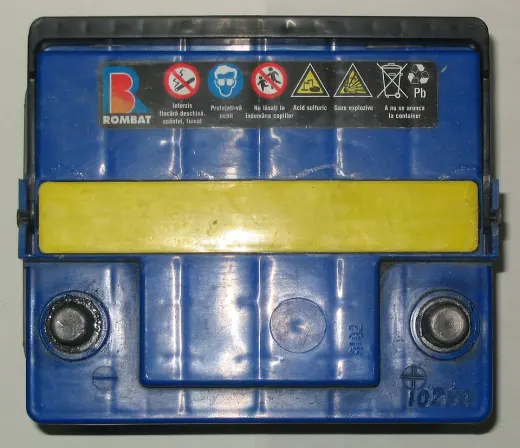
Battery choice depends on reserve capacity, charging health, short-trip use, climate, and whether the vehicle has enough electrical load to justify AGM pricing.
8 comparisons
Category
Brake Pads
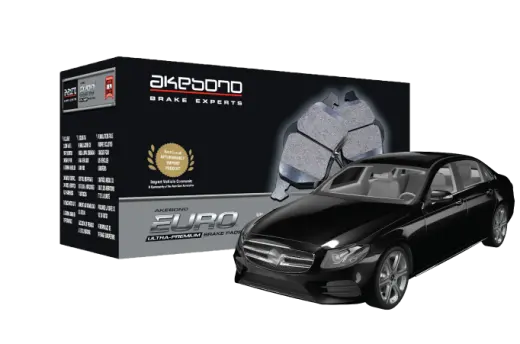
Brake pad choice should match the vehicle weight, driving style, rotor condition, and noise tolerance. Pads alone do not fix stuck hardware, glazed rotors, or a caliper issue.
12 comparisons
Category
Brake Rotors
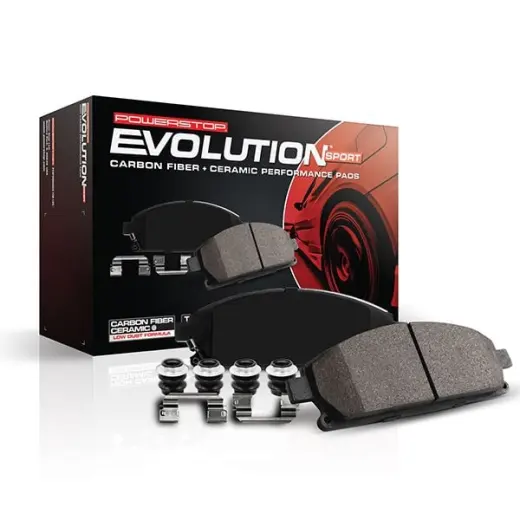
A good parts shortlist starts after the symptom, vehicle, and service history point toward the same repair area. Fitment still needs year, trim, engine, drivetrain, and package checks before ordering.
3 comparisons
Category
Coolant
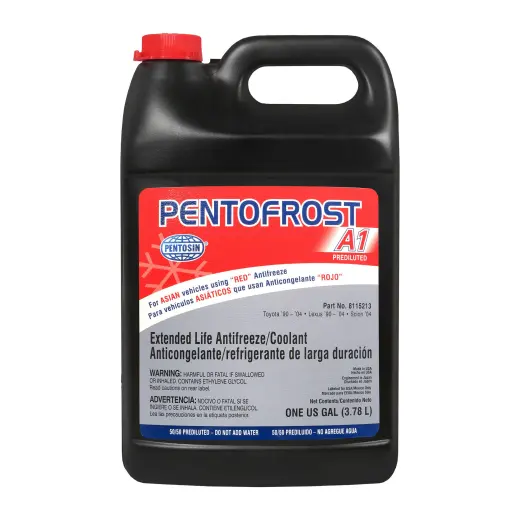
A good parts shortlist starts after the symptom, vehicle, and service history point toward the same repair area. Fitment still needs year, trim, engine, drivetrain, and package checks before ordering.
1 comparison
Category
CV Axles
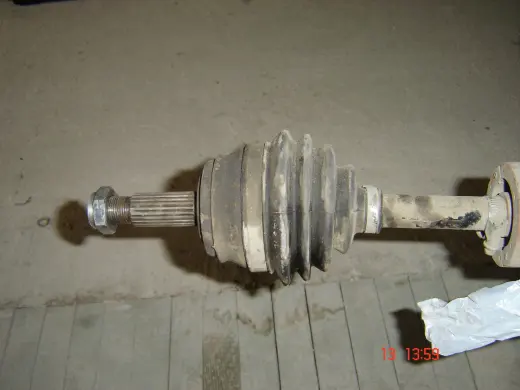
A good parts shortlist starts after the symptom, vehicle, and service history point toward the same repair area. Fitment still needs year, trim, engine, drivetrain, and package checks before ordering.
1 comparison
Category
Engine Oil
A good parts shortlist starts after the symptom, vehicle, and service history point toward the same repair area. Fitment still needs year, trim, engine, drivetrain, and package checks before ordering.
2 comparisons
Category
Front Brake Pads
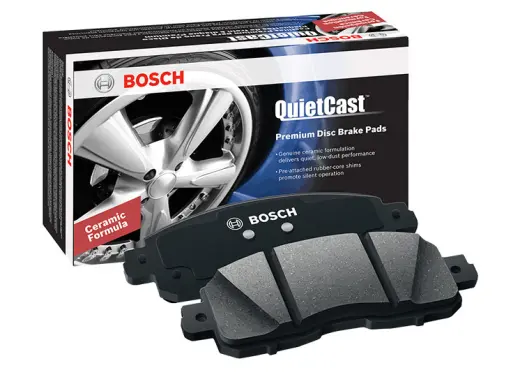
Front brake pads handle most of the stopping load, so rotor condition, caliper movement, and hardware matter as much as the pad brand.
3 comparisons
Category
Front Sway Bar Links
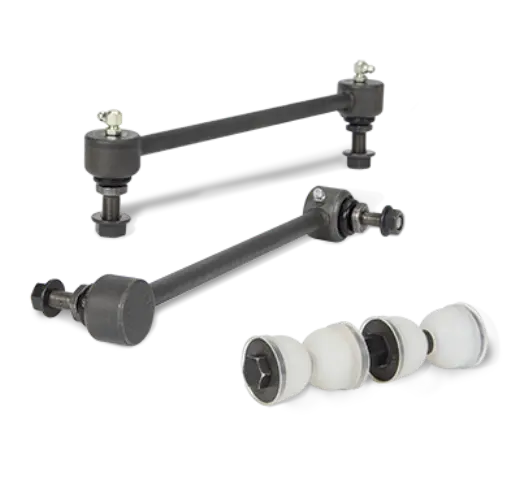
Front sway bar links are worth checking when a small front clunk appears over short bumps, but the surrounding suspension should be inspected at the same time.
6 comparisons
Category
Ignition Coils
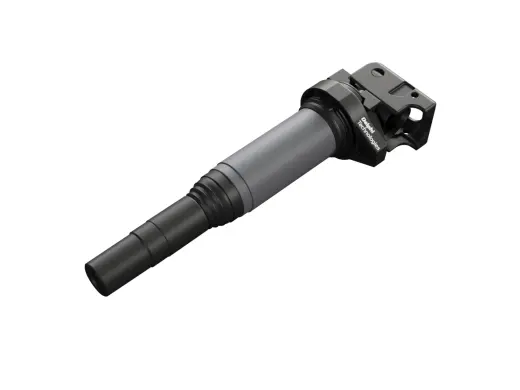
Ignition coils should be bought after scan data, plug condition, cylinder behavior, and service history point toward a real ignition fault.
4 comparisons
Category
Rear Brake Pads
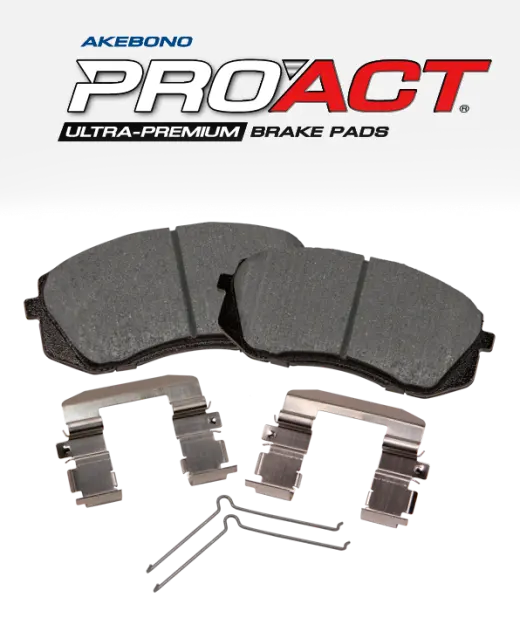
Rear brake pad replacement often depends on parking-brake design, caliper condition, moisture-related noise, and whether the rear axle is actually the source.
3 comparisons
Category
Rear Sway Bar Links
A good parts shortlist starts after the symptom, vehicle, and service history point toward the same repair area. Fitment still needs year, trim, engine, drivetrain, and package checks before ordering.
1 comparison
Category
Spark Plugs
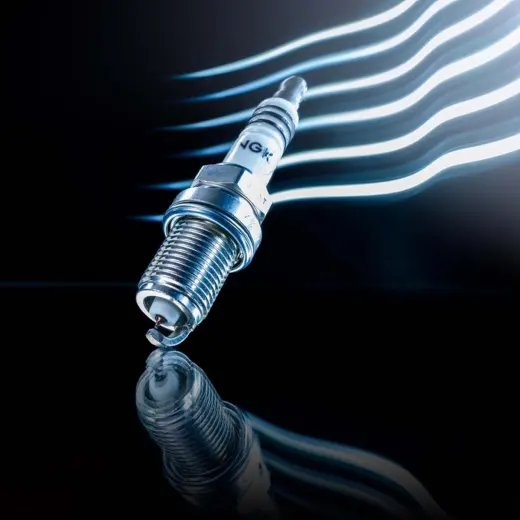
Spark plugs are maintenance parts, but the correct interval, heat range, gap, and engine condition still matter before a drivability complaint is blamed on plugs.
5 comparisons
Category
Sway Bar Links
Sway bar links are common clunk sources, but they should be checked alongside bushings, struts, mounts, control arms, and tire condition.
1 comparison
Category
Tires
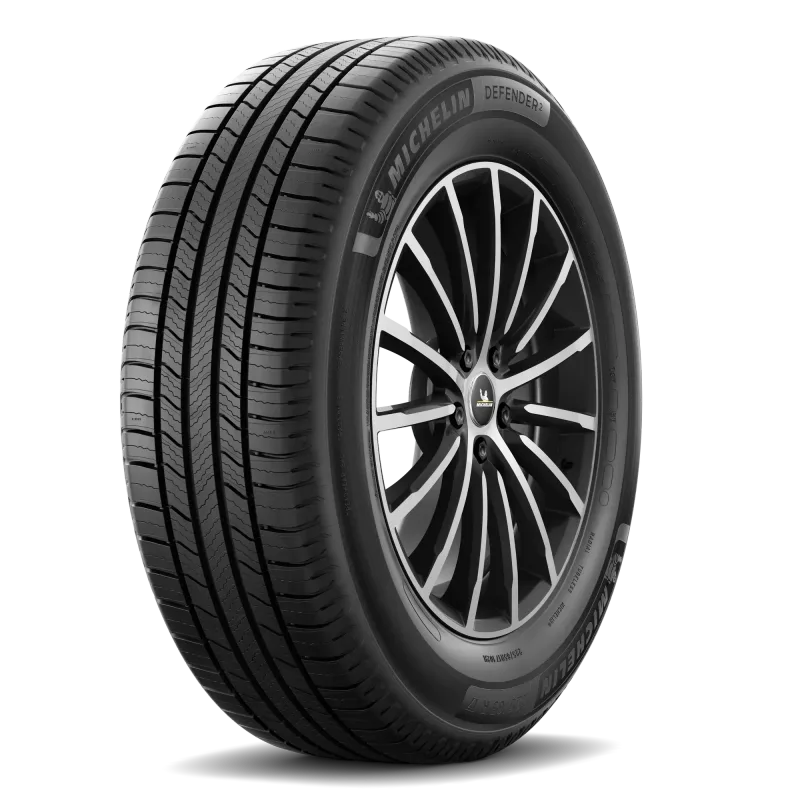
Tire choice shapes noise, vibration, braking confidence, fuel economy, winter behavior, and wheel-end diagnosis. A tire set should match the vehicle load and driving pattern.
5 comparisons
Category
Wheel Bearings
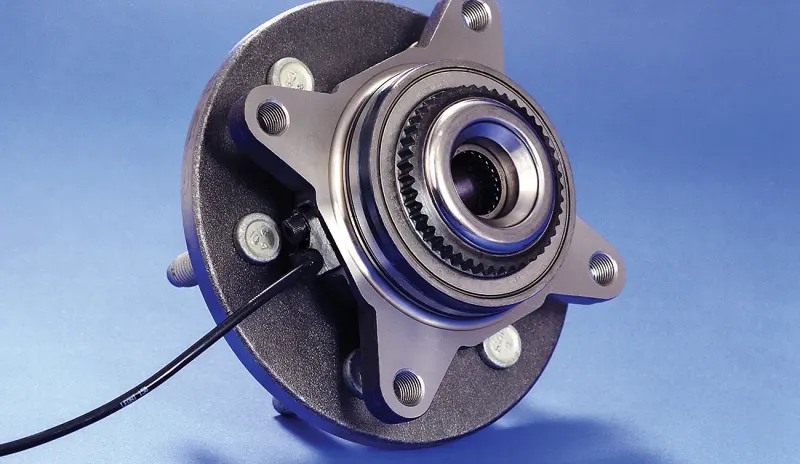
Wheel-bearing replacement should follow a road-speed noise diagnosis. Tire roar, uneven wear, and brake noise can imitate a bearing problem.
5 comparisons
Use Categories Carefully
Categories are for narrowing the shortlist, not skipping diagnosis
A category works best after the vehicle and symptom checks point at the right repair area. That keeps parts shopping tied to a real problem instead of a generic product list.
When the symptom is already clear
Use categories after a problem guide has narrowed the repair area. That keeps parts shopping from replacing the diagnosis.
When several vehicles share a repair family
Open a category to compare how the same part type is handled across different vehicles and ownership patterns.
When you need fitment reminders
Every comparison still needs year, trim, engine, and package checks before ordering. Use the category as the starting map.
Strongest Categories
Start with the most useful part families
12 comparisons
Brake Pads
Covers 12 vehicles and 12 related problem guides.
8 comparisons
Batteries
Covers 9 vehicles and 8 related problem guides.
6 comparisons
Front Sway Bar Links
Covers 7 vehicles and 6 related problem guides.
5 comparisons
Spark Plugs
Covers 5 vehicles and 7 related problem guides.