Kreativ Auto

2020 Toyota RAV4 common problems: what to check first

For a 2020 RAV4, begin with the condition and records of the specific vehicle. A weak 12-volt battery, weather-sensitive brake noise, a clunk, or highway vibration each needs a different inspection path; none should become a parts purchase without the basic checks first.

Editorial review

By Andrei Olaru Reviewed Sep 3, 2026
2020 Toyota RAV4 common problems: what to check first

Sources and scope

Evidence and limits

Use Toyota maintenance material, VIN recall checks, and observations from the individual vehicle before a battery, brake, suspension, tire, or vibration repair is discussed.

Research basis

  • Toyota's 2020 and 2021 RAV4 manuals and maintenance material for service requirements, warning information, and model-specific operating context.
  • NHTSA's 2020 and 2021 RAV4 recall records for recall status and campaign context only.
  • Editorial diagnosis guidance that separates normal wear patterns from vehicle-specific inspection and repair decisions.

Applies to

  • 2019-2021 Toyota RAV4 XA50 gas and hybrid ownership patterns, with the strongest fit for 2020-2021 vehicles.
  • Normal used-buyer, commuter, and family-crossover use cases where refinement, maintenance, and fitment discipline matter.
  • North American-style ownership assumptions unless a page says otherwise.

Does not cover

  • RAV4 Prime high-voltage plug-in-specific diagnosis.
  • A VIN-specific recall, warranty, or dealer service determination.
  • One-to-one diagnosis for a car that has already been modified, crashed, flooded, or repaired with unknown parts.

Decision path

RAV4 diagnosis path

Use the observed condition to choose the next check before choosing a part.

1

If you see

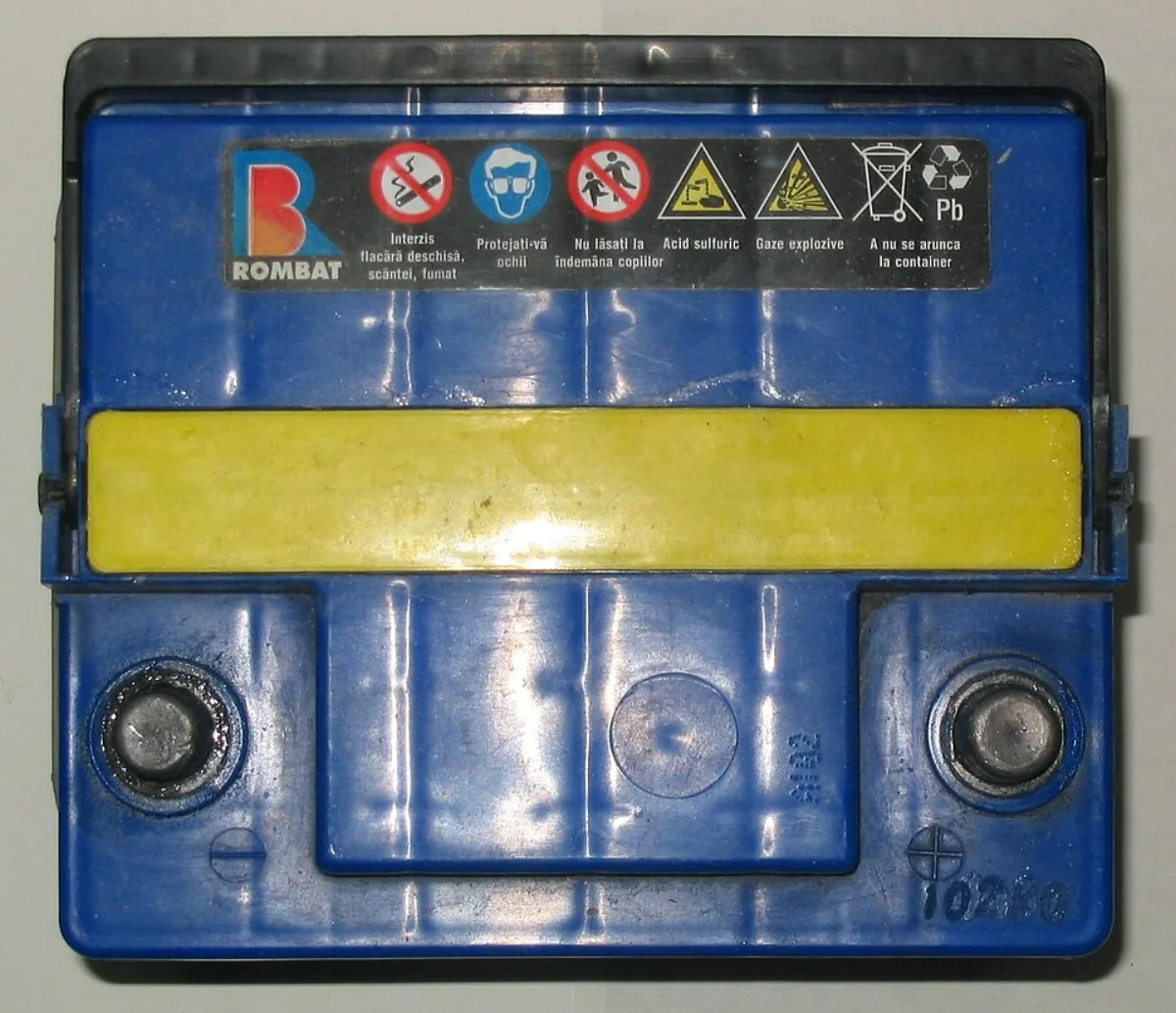
The RAV4 has weak starts, a recent jump-start story, or a seller who says it only happens after sitting.

Check first

Load-test the 12-volt battery, confirm charging voltage, and ask how the car was used before assuming a larger electrical fault.

Then decide

Budget for a correct battery only after the use pattern and charging picture make sense.

2

If you see

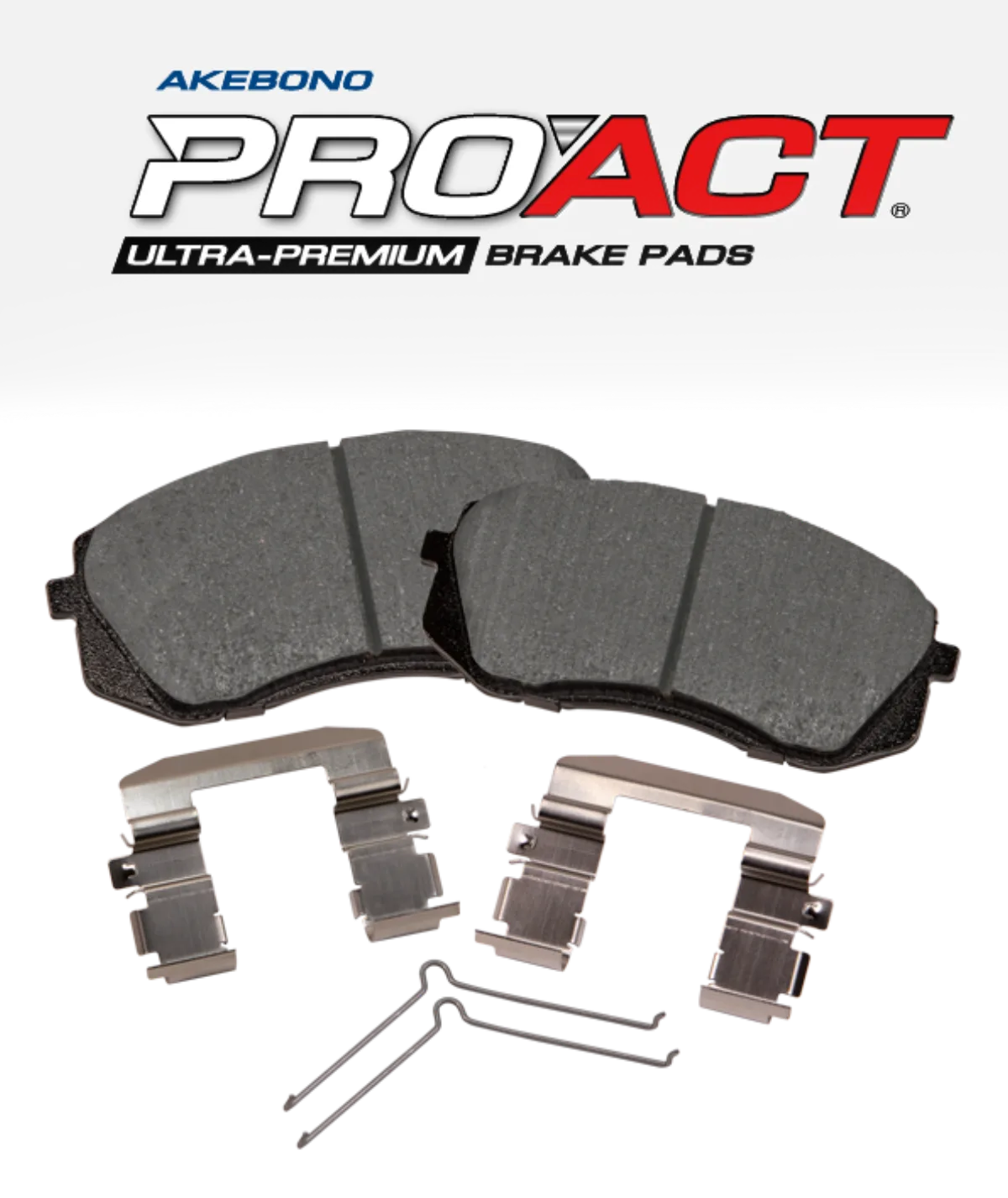
Brake squeak appears after rain, low-speed use, or light stops.

Check first

Separate pad compound, rotor surface, and hardware condition from actual braking performance.

Then decide

Treat it as a refinement and service-quality issue unless pedal feel, stopping power, or warning lights point elsewhere.

3

If you see

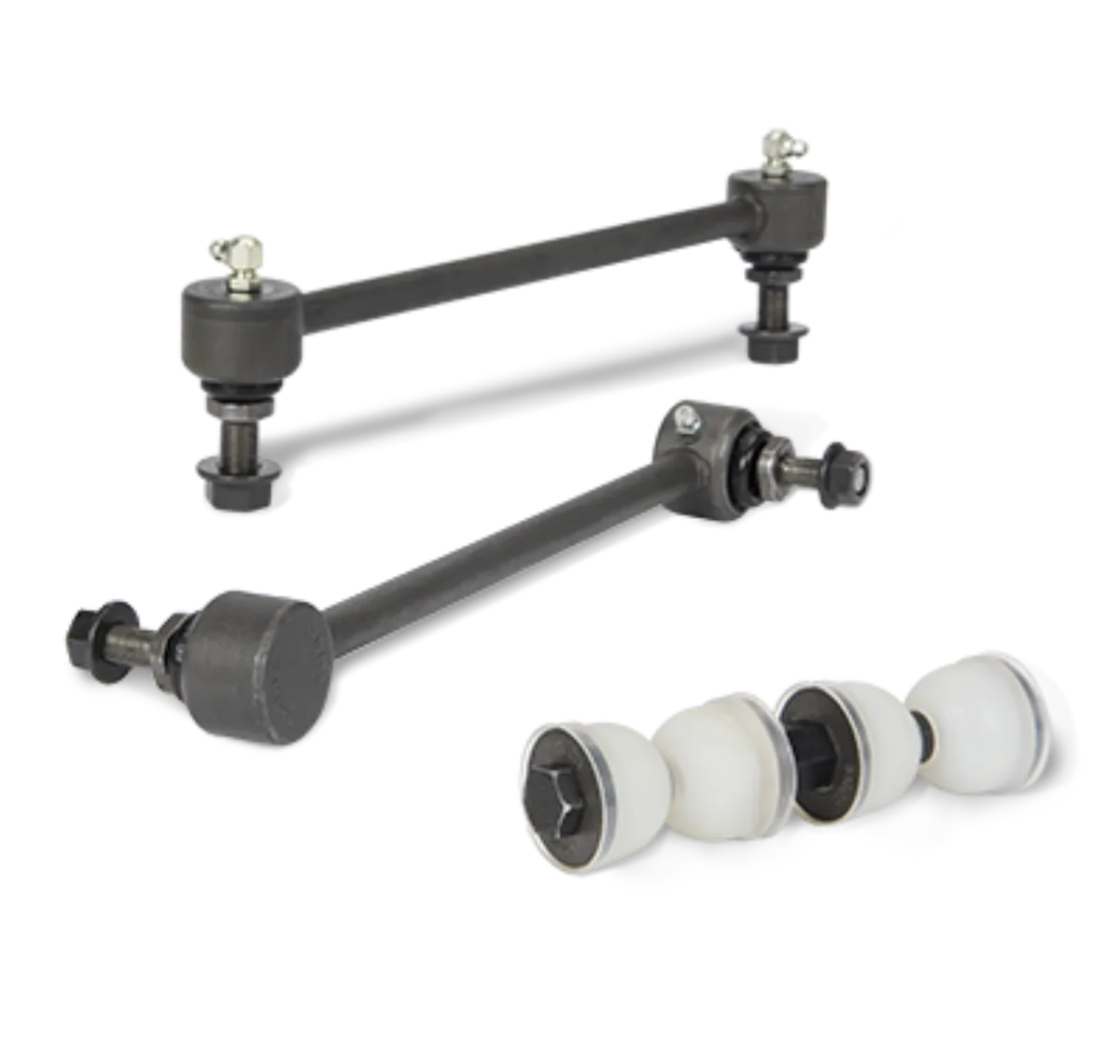
The front or rear end clunks over driveways, speed bumps, or sharp pavement edges.

Check first

Inspect sway-bar links, bushings, visible play, and tire/wheel condition before pricing larger suspension work.

Then decide

Negotiate around a normal wear-item repair if the rest of the car is clean; walk away if the story stays vague.

4

If you see

The steering wheel vibrates or the RAV4 hums at highway speed.

Check first

Rule out tire condition, balance, wheel damage, and rotation history before buying hubs or bigger chassis parts.

Then decide

Only move toward wheel-bearing or suspension parts after the tire/wheel evidence is clean.

At a glance

What to record before deciding

Start with observations from the individual vehicle, then use the matching inspection path below.

  • For a weak start, record battery age, recent use, charging result, and whether the symptom follows sitting or short journeys.
  • For a noise, record location, speed, road surface, steering input, braking input, weather, and whether it repeats.
  • For a vibration, record tire size, age, pressure, wear pattern, wheel damage, balance history, and alignment history.

Check sequence

5

Inspection paths

1

Hybrid and gas context

Keep the maintenance record, VIN recall result, road-test notes, and inspection findings together before requesting an estimate.

Five inspection paths to keep separate

Each path begins with conditions that can be observed or documented on the individual RAV4.

1. Battery reserve

Weak starts and short-trip battery complaints

Record use pattern, battery age, test result, and charging result before drawing a conclusion about the charging system.

2. Brake refinement

Rear brake squeak and weather-sensitive brake noise

Separate noise from a change in braking performance, and have pad material, rotor surface, hardware, and warning lights inspected.

3. Front-end refinement

Front clunks over driveways or bumps

Record the surface, steering angle, speed, and location of the sound; inspect visible links, bushings, tire condition, and play before quoting work.

4. Rear-end noises

Rear suspension noise over bumps

Inspect the exact source and visible components before assigning the noise to a larger suspension repair.

5. Highway refinement

Tire and wheel issues that get blamed on the wrong parts

Record tire condition, balance history, wheel damage, pressure, and the speed range before a wheel-bearing or suspension diagnosis is considered.

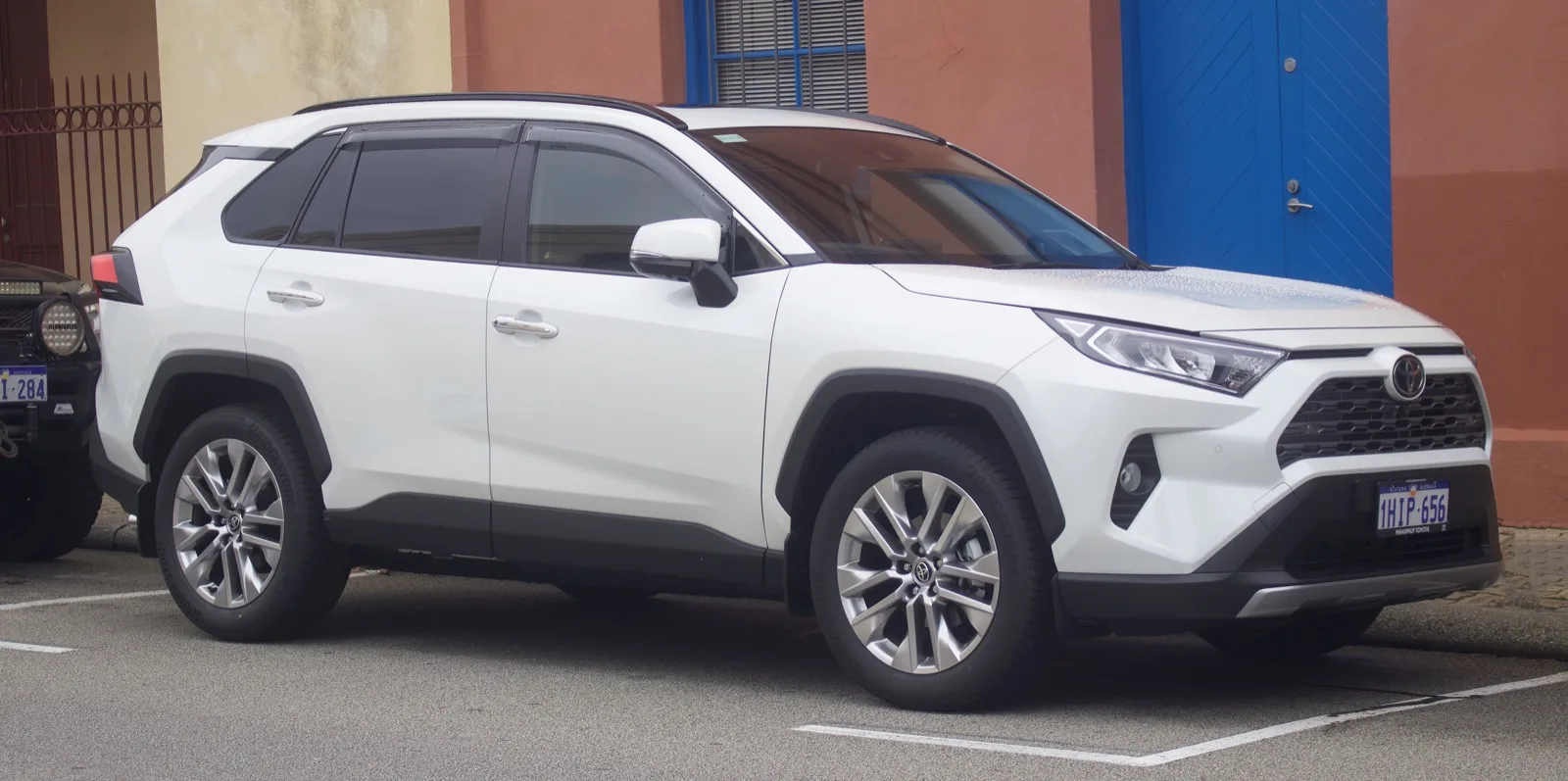
Build a 2020 RAV4 inspection record

A written record prevents a seller explanation, a general reputation, or one online symptom from becoming the whole purchase decision.

  1. Maintenance: compare service invoices with Toyota's 2020 RAV4 warranty and maintenance guide. Record date, mileage, completed work, and unanswered items instead of assuming mileage proves a service was done.
  2. VIN and recall status: check the individual VIN through the NHTSA recall lookup. A campaign record describes a population; only a VIN result and repair documentation answer for one vehicle.
  3. Tires and brakes: note the four tire sizes, date codes, tread pattern, pressure, visible damage, brake condition, and any invoice for pads, rotors, or alignment. A mismatched set or uneven wear changes both the budget and the accuracy of a vibration diagnosis.
  4. Road-test evidence: record the speed, surface, steering input, braking input, and cabin location of a rattle, hum, pull, or vibration. A qualified workshop can work from those details; an unsupported parts guess cannot.

Keep the notes in the used-car viewing worksheet before negotiating or requesting an inspection quote.

Follow-up checks by symptom

Open a narrower guide only after the symptom and basic inspection record point to that area.

Checks before requesting a quote

A concise condition record helps a workshop price the correct inspection instead of a generic parts list.

  • If the battery goes flat after sitting, test reserve and usage pattern together before assuming a larger charging-system problem.
  • If the brakes squeak after rain, separate refinement noise from actual braking weakness before replacing the wrong axle or mixing pad types loosely.
  • If the front or rear end clunks, start with links, bushings, and visible wear items before treating it like a major chassis problem.
  • If the steering vibrates at speed, rule out tires and wheel condition before the diagnosis moves toward hubs or larger hardware.
  • If you are on a hybrid, keep powertrain-specific advice separate instead of assuming the gas and hybrid ownership patterns are identical.

Keep each diagnostic path separate

A symptom may have several causes; these boundaries prevent unrelated checks from being combined into one explanation.

Weak starts need battery and charging evidence

Record recent use, battery age, reserve test, and charging result before a broader electrical diagnosis is assumed.

Brake noise and braking performance are different checks

Inspect pad material, hardware, and rotor condition for a noise, and seek prompt assessment for a pedal, stopping, or warning-light concern.

A clunk needs a repeatable road-test record

Document the speed, surface, steering input, and location of the sound before any suspension component is named.

A highway vibration needs tire and wheel records first

Confirm the installed set, pressure, wear, wheel condition, balance history, and alignment history before the diagnosis moves further.

Who should be more careful

The same XA50 advice does not transfer perfectly across every powertrain and usage pattern.

  • Hybrid owners should keep brake feel, battery assumptions, and maintenance habits separate from the gas-only version where the overlap ends.
  • Cars used mostly for short local trips deserve battery scrutiny earlier, even if the crossover still starts normally most mornings.
  • Drivers who spend a lot of time on rough roads or broken pavement should expect sway-bar-link and small noise complaints sooner.

Best next reads

These are the guides worth opening once you know which XA50 complaint bucket you are actually in.

Related problem guides

These are the problem guides that matter most once the XA50 starts showing the same repeat complaints.

Related best-parts guides

These are the parts guides worth opening when the diagnosis is already pointing at the right repair area.

Related comparison guides

These are the comparison guides that keep the RAV4 advice from drifting across the wrong powertrain assumptions.

FAQ

Can a 2020 RAV4 be assessed on reputation alone?

No. A used example still needs its maintenance record, VIN recall result, battery condition, tires, brakes, and road-test behavior checked before the asking price makes sense.

What should I check first on a 2020 Toyota RAV4?

Confirm service records and recalls by VIN, then inspect battery condition, tire age and wear, brake condition, and any repeatable noise or vibration on a road test.

Do hybrid and gas RAV4s share all the same advice?

No. A lot overlaps, but battery and braking behavior need to be read more carefully on hybrids, and not every ownership note transfers cleanly.