Kreativ Auto

Highway steering vibration: Diagnosis and Fixes

Highway-speed vibration usually starts with tires and wheels, but not every shake is a balancing problem.

Last updated March 31, 2026

Highway steering vibration: Diagnosis and Fixes

Sources and scope

Evidence and limits

For the XA50 RAV4, highway vibration should be tire-and-wheel-led until the evidence points elsewhere.

Research basis

  • Toyota's 2021 RAV4 manuals and maintenance material for service requirements, warning information, and model-specific operating context.
  • NHTSA's 2020 and 2021 RAV4 recall records for recall status and campaign context only.
  • Editorial diagnosis guidance that separates normal wear patterns from vehicle-specific inspection and repair decisions.

Applies to

  • 2019-2021 Toyota RAV4 XA50 gas and hybrid ownership patterns, with the strongest fit for 2020-2021 vehicles.
  • Normal used-buyer, commuter, and family-crossover use cases where refinement, maintenance, and fitment discipline matter.
  • North American-style ownership assumptions unless a page says otherwise.

Does not cover

  • RAV4 Prime high-voltage plug-in-specific diagnosis.
  • A VIN-specific recall, warranty, or dealer service determination.
  • One-to-one diagnosis for a car that has already been modified, crashed, flooded, or repaired with unknown parts.

First check

Start with inspect tire wear and balance history before you assume bearings or bigger front-end parts are the answer..

Quick verdict

Highway-speed steering vibration is usually a tire-and-wheel problem first, but repeated shake that survives balancing deserves a deeper front-end check.

First thing to check

Inspect tire wear and balance history before you assume bearings or bigger front-end parts are the answer.

Can you drive it?

Usually yes for short-term driving, but long highway trips should wait until the source of the vibration is clear

Typical cost range

$20 to $700 depending on whether the fix is balancing, tire replacement, wheel repair, or front hub work

DIY difficulty

Easy for visual checks, moderate for ruling out the front-end causes properly

Often confused with

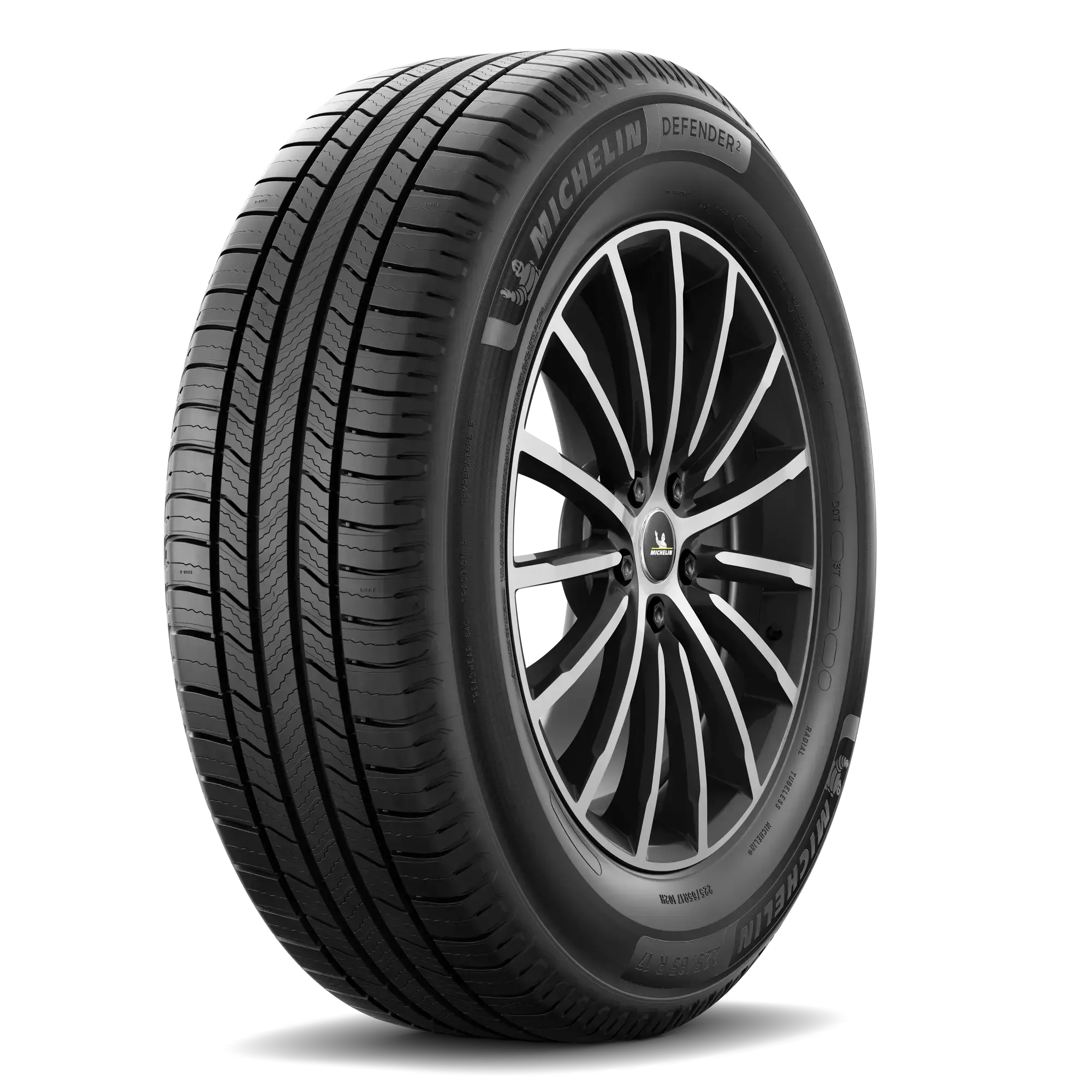
  • Drivers often blame bearings too early when the tires are already showing the real problem in the tread.
  • It also gets mislabeled as a simple balance issue even when wheel damage or front-end wear is helping the shake along.

Stop driving if

  • The vibration is getting worse quickly, the front end feels unstable, or the shake is paired with humming and looseness.
  • Tire damage or abnormal wear is severe enough that continued highway driving is a bad bet.

Decision path

Vehicle-specific decision path

Keep steering wheel vibrates at highway speed tied to checks you can confirm before escalating the repair.

1

If you see

The vibration is strongest at highway speed and changes with road surface or tire rotation.

Check first

Check tire wear, balance, wheel damage, and alignment history first.

Then decide

Correct tire/wheel issues before moving to hubs or suspension.

2

If you see

The hum grows with speed and changes when loading one side of the vehicle.

Check first

Road-test for wheel-bearing behavior after tire noise has been ruled out.

Then decide

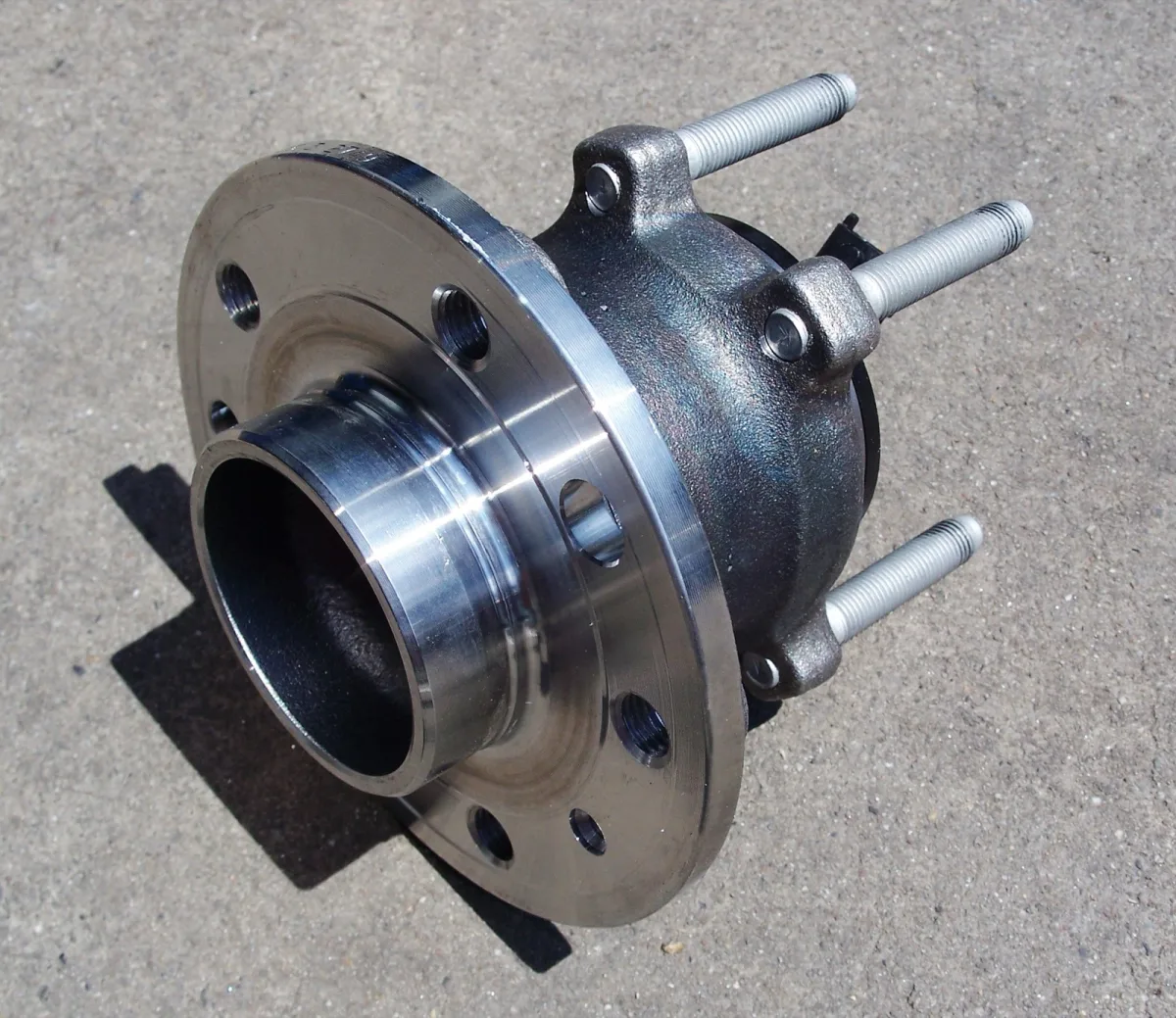
Only buy a hub assembly once the bearing diagnosis is clear.

Symptoms to confirm

Look for the details that separate steering wheel vibrates at highway speed from nearby complaints.

  • The steering wheel starts shaking around highway speeds and smooths out below that
  • Vibration feels worse on certain road surfaces or after hitting bumps
  • The car may track normally, but the front end no longer feels settled at speed

Likely causes

Wheel balance or tire wear issues that only show up once speed builds is the first cause to rule out before moving deeper.

  1. Wheel balance or tire wear issues that only show up once speed builds
  2. Bent wheel, uneven tread, or alignment problems affecting the front axle
  3. Wheel bearing or front-end wear making a smaller tire issue feel worse

What usually fixes it

Work through these fixes only after the checks match steering wheel vibrates at highway speed.

  1. Check tire condition and wheel balance before assuming a major front-end problem
  2. Inspect for uneven wear, bent wheels, and alignment issues if the shake keeps returning
  3. If noise or roughness is present too, inspect bearings and front suspension hardware more closely

When to involve a mechanic

Escalate steering wheel vibrates at highway speed when the symptom points beyond a simple inspection.

  • The vibration gets worse quickly or is joined by humming or looseness
  • Tire balancing did not fix the shake
  • The front end feels unstable or the tire wear pattern looks abnormal

Common mistakes

Avoid these shortcuts when chasing steering wheel vibrates at highway speed.

  • Blaming the wheel bearing before checking balance and tire condition
  • Rebalancing the same bad tire repeatedly instead of inspecting the tread
  • Ignoring alignment after curb hits or pothole impacts

Related cars

Open the matching vehicle pages when steering wheel vibrates at highway speed needs model-year context.

Related best-parts guides

These parts guides are useful once steering wheel vibrates at highway speed has a confirmed repair area.

FAQ

Is highway-speed steering vibration always a tire balance issue?

No. Tire balance is the first thing to check, but wheel damage, uneven tread, alignment issues, and bearing wear can all contribute.

Can a wheel bearing make the steering wheel vibrate?

It can, especially when bearing wear is combined with tire or wheel issues that are already stressing the front end.