Kreativ Auto

Rear Suspension Clunk Over Bumps: Causes, Fixes, and Parts to Check

Use this guide to figure out what the symptom usually means, how urgent it is, and what to check before buying parts or booking the repair.

Editorial review

These problem guides are written to help drivers identify the most likely cause, make a sensible first check, and avoid wasting money on the wrong repair.

By Kreativ Auto Editorial Team Reviewed Apr 7, 2026
Problem guideFitment notes checkedParts links reviewed
Rear Suspension Clunk Over Bumps: Causes, Fixes, and Parts to Check

Quality check

Evidence and limits

Rear clunks are treated as a refinement and wear-item diagnosis first, because the expensive version of this repair often starts with guessing.

Based on

  • Internal cross-check of the RAV4 car hubs, problem guides, best-parts pages, and generation hub.
  • Official Toyota owner, warranty, and maintenance material for the 2021 RAV4 family.
  • NHTSA recall records used as a safety and campaign check, not as proof that every ownership complaint is a recall.

Applies to

  • 2019-2021 Toyota RAV4 XA50 gas and hybrid ownership patterns, with the strongest fit for 2020-2021 pages already in this site.
  • Normal used-buyer, commuter, and family-crossover use cases where refinement, maintenance, and fitment discipline matter.
  • North American-style ownership assumptions unless a page says otherwise.

Does not cover

  • RAV4 Prime high-voltage plug-in-specific diagnosis.
  • A VIN-specific recall, warranty, or dealer service determination.
  • One-to-one diagnosis for a car that has already been modified, crashed, flooded, or repaired with unknown parts.

What to know first

This is the short version if you want to decide how serious the problem is before digging deeper.

Repair urgency

Low to medium unless handling or stability has changed

Can you drive it?

Usually yes in the short term, but persistent rear-end clunks should still be inspected before wear spreads

Estimated cost

$0 to $500 depending on whether the issue is trim noise, sway bar links, or rear shock-related repair

DIY difficulty

Easy for basic isolation, moderate for suspension part replacement

Quick triage

Use this section if you want the shortest path from symptom to the first sensible check.

Quick verdict

Rear clunks usually deserve a calm isolation process first, because small links, bushings, or loose cargo hardware are still common answers.

First thing to check

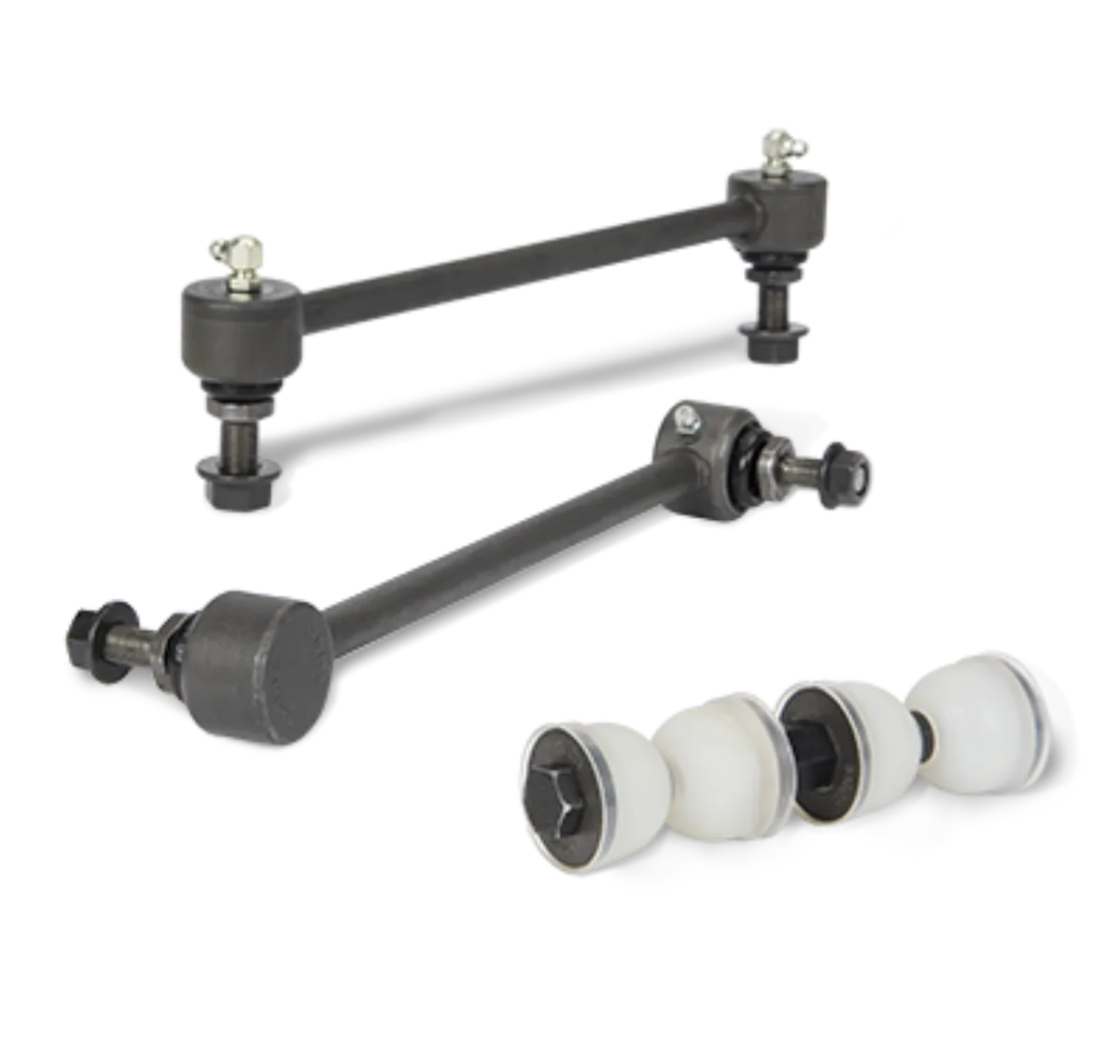
Empty the cargo area and inspect the rear sway-bar links before you assume the shocks or a larger rear suspension part are done.

Can you drive it?

Usually yes in the short term, but persistent rear-end clunks should still be inspected before wear spreads

Typical cost range

$0 to $500 depending on whether the issue is trim noise, sway bar links, or rear shock-related repair

DIY difficulty

Easy for basic isolation, moderate for suspension part replacement

Often confused with

  • Rear trim or spare-tire hardware often sounds enough like suspension noise to waste time if you skip basic isolation.
  • It also gets blamed on shocks too quickly when the smaller rear stabilizer parts have not even been checked yet.

Stop driving if

  • The rear feels loose, you see damaged links or leaking shocks, or the clunk is getting worse quickly.
  • The noise is joined by a clear stability change rather than just a sound over sharp bumps.

Decision path

Vehicle-specific decision path

Use this to keep the diagnosis focused before buying parts or escalating the repair.

1

If you see

The rear knock appears over sharp bumps but the vehicle tracks normally.

Check first

Inspect rear sway-bar links, bushings, loose cargo/tools, and obvious hardware play.

Then decide

Repair the confirmed small part before replacing larger rear suspension components.

2

If you see

The rear feels unstable or the noise follows a heavy impact.

Check first

Inspect alignment, tire damage, shock leakage, and structural repair signs.

Then decide

Treat it as a broader safety inspection before buying links.

Symptoms

These are the signs drivers usually notice before the real cause is confirmed.

  • Knock or clunk from the rear over potholes, broken pavement, or driveway entries
  • Noise is more obvious at low speed than on smooth highway roads
  • The SUV still feels mostly stable, but the rear sounds loose over sharp bumps

Likely causes

Start with the common causes first so diagnosis stays efficient and the wrong parts do not get ordered too early.

  1. Rear sway bar links or bushings wearing enough to knock over small suspension movement
  2. Rear shock mount or hardware looseness
  3. Loose cargo-area trim or spare-tire hardware being mistaken for suspension noise

What usually fixes it

Work through these in order so you can confirm the problem before spending money on parts.

  1. Empty the cargo area first and confirm the noise is actually in the suspension
  2. Check rear sway bar links and bushings before assuming the shocks are bad
  3. Retorque visible rear suspension hardware if the noise appeared after recent service

When to involve a mechanic

These are the signs that the problem is moving past a basic driveway diagnosis.

  • The noise gets worse quickly or is joined by a loose rear-end feel
  • You see leaking shocks, torn bushings, or damaged links
  • The sound remains after obvious cargo-area causes are ruled out

Common mistakes

These are the errors that usually waste time, money, or both.

  • Replacing rear shocks before checking the smaller links and bushings
  • Ignoring loose cargo or spare-tire hardware that mimics suspension noise
  • Treating every rear clunk as a major suspension failure

Related car pages

These vehicle pages give you more context if the same symptom shows up on a specific model.

Related best-parts guides

If you already know the likely repair area, these guides can help you compare the next parts to look at.

FAQ

Can rear cargo-area hardware sound like suspension noise?

Yes. Loose spare-tire hardware or trim can mimic a rear suspension clunk surprisingly well.

Are sway bar links a common rear clunk source?

They can be. Small links and bushings often make more noise than larger suspension parts once wear starts.