Kreativ Auto

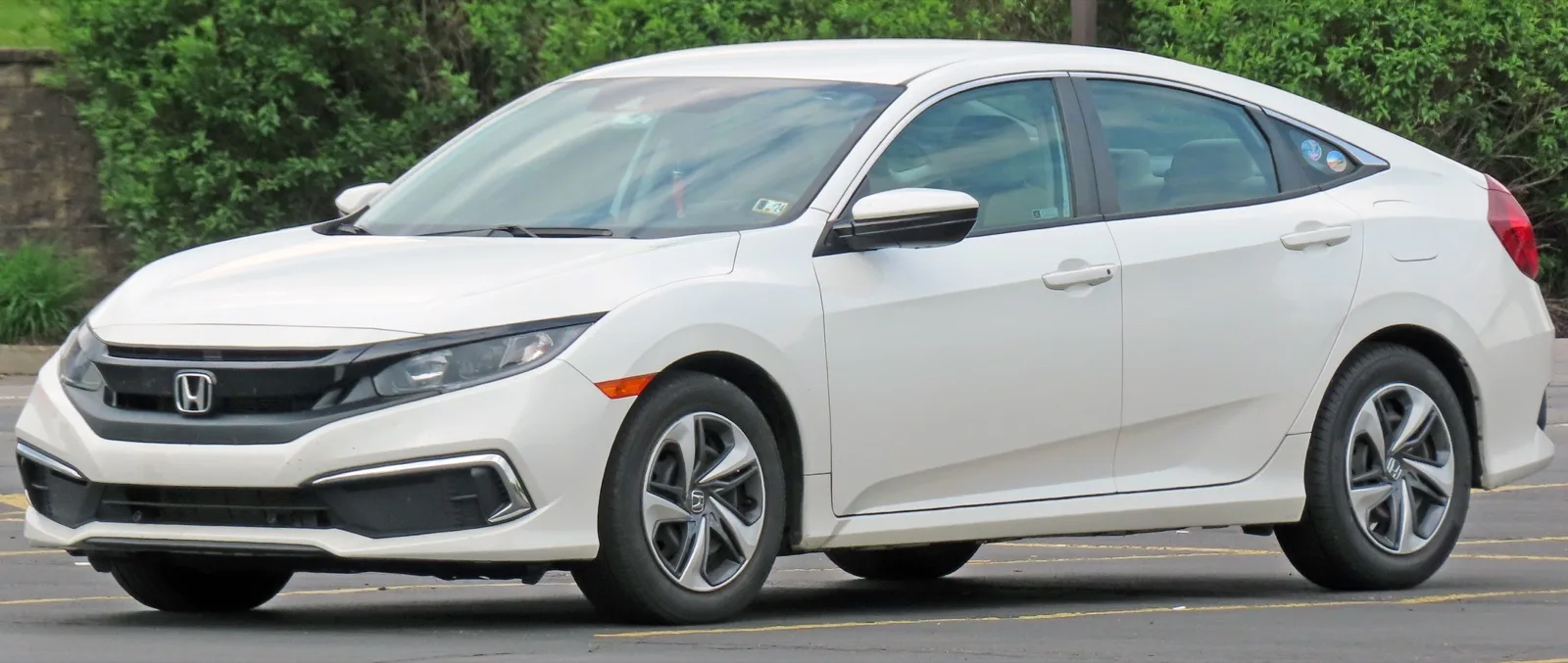
Should you buy a used Honda Civic 10th gen facelift?

Last updated April 28, 2026

Should you buy a used Honda Civic 10th gen facelift?

The short version

Yes, a used 10th gen facelift Civic is still one of the easiest small-car recommendations on the site if your goal is smart commuter ownership with enough polish to still feel current. The main caution is not that the car is unreliable. The caution is that buyers often flatten the nuance between engine, trim, and maintenance history because the Civic name feels automatically safe.

Quality check

Evidence and limits

This final verdict is based on the full Civic guide stack, not a single repair page. It is strongest for buyers deciding whether a specific used facelift Civic is worth the premium.

Based on

  • Internal cross-check of the Civic car hub, facelift ownership guides, problem guides, best-parts pages, and generation hub.
  • Official Honda owner maintenance and warranty material for 2019 Honda vehicles.
  • NHTSA recall records used as a safety and campaign check, not as proof that every ownership complaint is a recall.

Applies to

  • 2019-2021 facelifted tenth-generation Honda Civic gas sedan, coupe, and hatchback ownership patterns.
  • Mainstream 2.0 NA and 1.5T daily-driver use cases where A/C performance, ignition maintenance, battery reserve, brakes, and front-end refinement matter.
  • North American-style ownership assumptions unless a specific page says otherwise.

Does not cover

  • Civic Si, Type R, track-use, heavily modified, or export-market variants with different brake, suspension, powertrain, or HVAC packaging.
  • A VIN-specific recall, warranty, dealer goodwill, or service-bulletin determination.
  • One-to-one diagnosis for a car that has crash history, flood history, aftermarket tuning, or unknown repair quality.

Decision path

Final used-buyer decision path

Use this before deciding that the Civic name alone is enough to justify the car or the price.

1

If you see

A seller relies on the Civic reputation but cannot explain maintenance, A/C, battery, or engine-specific details.

Check first

Ask for service history, engine variant, A/C work, battery age, and recent brake/front-end repairs.

Then decide

Pay Civic money only when the ordinary weak points are either clean or priced in.
2

If you see

The choice is 1.5T versus 2.0.

Check first

Separate the daily-use, drivability, and maintenance tradeoffs instead of treating every facelift Civic the same.

Then decide

Use the engine comparison before choosing trim or buying powertrain-related parts.

3

If you see

The test drive shows A/C weakness, front-end rattle, brake squeal, or battery warning behavior.

Check first

Treat those as negotiation and inspection items, not background Civic character.

Then decide

Walk away if the explanation stays vague or the price assumes a problem-free car.

Who should buy it

  • You want a daily driver that is easy to live with, efficient to run, and still pleasant enough to care about.
  • You value predictable maintenance and sensible parts access more than badge prestige.
  • You are willing to choose the right trim and engine for your use instead of buying on reputation alone.

Who should skip it

  • You are shopping the roughest or cheapest examples because you assume the Civic badge guarantees a free pass.
  • You want a used car with zero need for suspension, A/C, battery, or ignition attention once mileage builds.
  • You have not thought through whether the trim and engine you are buying actually match your daily use.

Best used-buyer bets

  • Buy the cleanest ownership-history example you can verify, even if it is not the absolute cheapest ad.
  • Choose the trim and engine that suit your daily use rather than assuming more equipment always means a better Civic.
  • Prioritize calm A/C behavior, stable battery and charging behavior, and a quiet front end over cosmetic upgrades.

Main ownership tradeoffs

The Civic gives you a strong balance of everyday value, ease of ownership, and decent polish, but the platform is not magically immune to the commuter-grade wear items owners most often ignore. The tradeoff is simple: you get a genuinely good used small car, but only if you still pay attention to condition and trim fit instead of buying the badge alone.

Final verdict

Buy one if you want a used car that still feels like one of the smartest daily-driver decisions on the site and you are willing to stay selective about history and trim. Skip it if you are treating the Civic reputation as a substitute for inspection discipline. The facelift Civic is a strong used buy, but only when you buy the right one.

Read next