Kreativ Auto

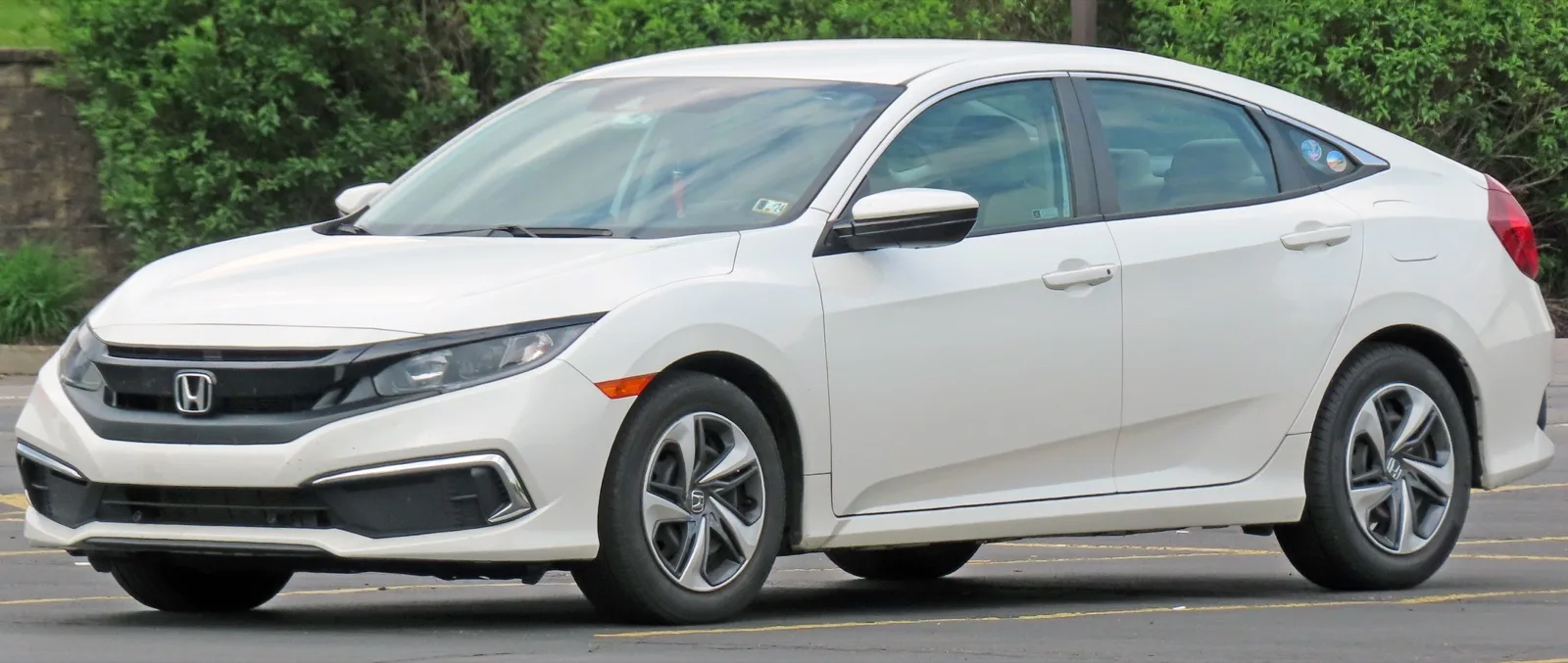
Honda Civic 10th gen facelift what to check before buying

A facelift Civic can still be one of the easiest used daily drivers to buy, but only if the inspection stays practical. The useful checks are idle A/C performance, battery reserve, brake noise, front-end rattles, and whether the seller is mixing 1.5T and 2.0 advice like it all means the same thing. This guide keeps the purchase decision grounded.

Editorial review

This guide is written as a buyer-focused checklist for the facelift Civic, concentrating on the weak points and viewing checks that matter most.

By Kreativ Auto Editorial Team Reviewed Apr 11, 2026
Buying guideGeneration-specificInspection-focused
Honda Civic 10th gen facelift what to check before buying

The short version

If you only need the fast read, these are the checks that matter most.

  • Check idle A/C performance, battery reserve, and front-end refinement before the Civic’s usual strong reputation does the whole job for you.
  • Listen for brake noise and small front-end rattles, because those are the issues most likely to age the car early.
  • Keep engine-specific advice separate. The 1.5T and 2.0 do not turn every ownership question into the same answer.

What to inspect first

These checks are worth doing before the viewing turns into generic used-Civic small talk.

  • Idle A/C performance in realistic conditions, not just during a short cool blast on a moving car.
  • Battery behavior and charging confidence on a commuter-use car that may not have ideal daily duty.
  • Brake refinement at low speed, not only one hard stop that hides the squeal story.
  • Front-end rattles over small bumps, rough pavement, and slower parking-lot movement.
  • Whether the seller is describing 1.5T and 2.0 maintenance or drivability like they are interchangeable.

What should lower confidence quickly

These are the things that should change the price or make you move on.

  • A/C weakness at idle with no clear repair history and a vague explanation.
  • Battery or charging complaints that the seller treats as random and not worth investigating.
  • Clear front-end rattle plus no recent wear-item work despite the car already sounding tired.
  • An engine-specific question that gets answered with broad Civic generalities instead of real trim or powertrain detail.

What should not scare you too fast

These issues deserve a discount or repair plan, but not instant panic if the rest of the car is strong.

  • A battery approaching replacement age on a commuter-used Civic.
  • Brake squeal that still sounds like a pad and refinement problem instead of bigger braking weakness.
  • Light front-end rattle where the rest of the car still feels fundamentally tight and honest.

Problem guides linked from this page

Open these if the viewing or test drive already points at a repeat complaint.

Best-parts guides linked from this page

Use these when the car is still worth buying but the weak point needs a realistic repair plan.

Comparison guides linked from this page

Use these when the buying advice changes with the engine.