Kreativ Auto

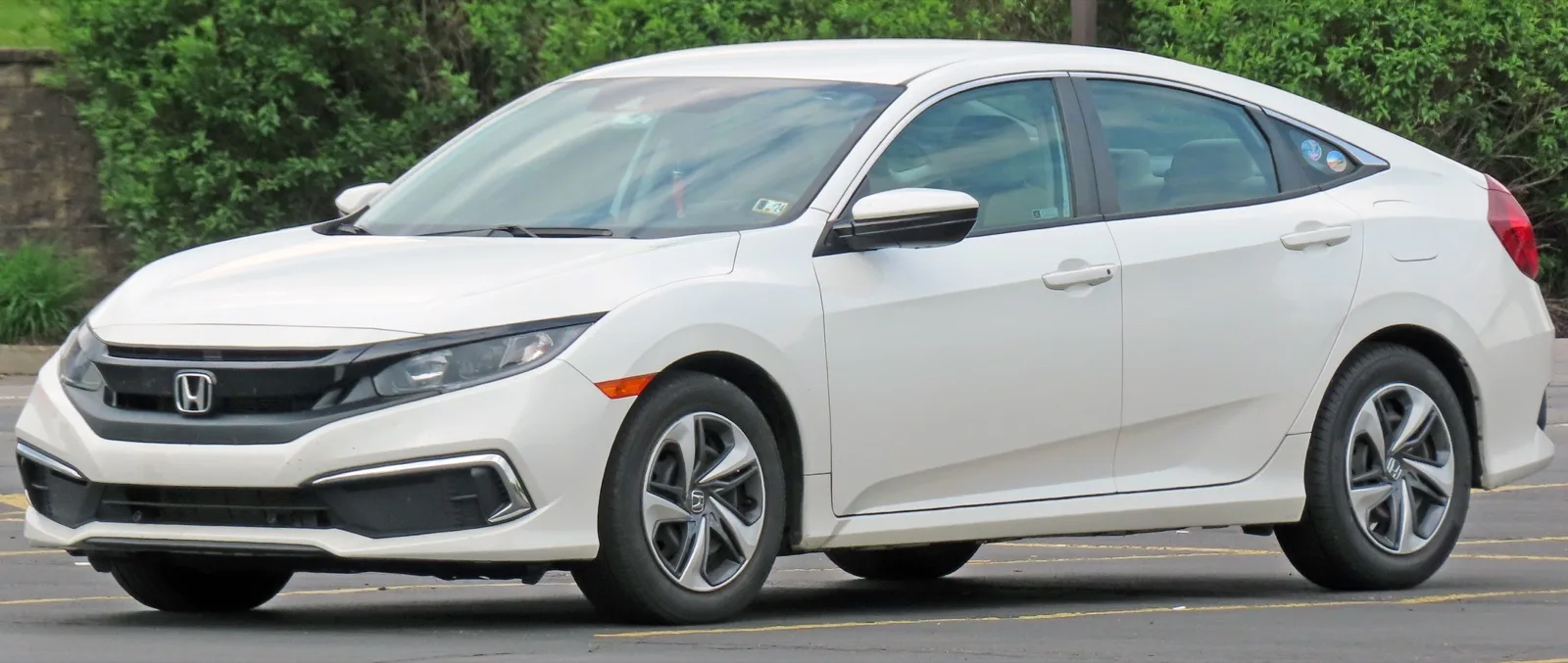
Honda Civic 10th gen facelift reliability scorecard

The facelift Civic is one of the easiest cars on this site to trust too quickly. That trust is mostly earned, but it still hides some nuance. Idle A/C complaints, battery reserve on short-trip cars, smaller front-end noises, and trim or engine-specific tradeoffs matter more than the usual broad Civic reputation allows. This guide is about whether the facelift Civic is a good used buy once that nuance is admitted properly.

Editorial review

This guide is written as a used-buyer reliability summary for the facelift Civic, separating the platform’s genuinely strong baseline from the weaker examples that trade too heavily on reputation.

By Kreativ Auto Editorial Team Reviewed Apr 25, 2026
Reliability guideGeneration-specificUsed-buyer focused
Honda Civic 10th gen facelift reliability scorecard

Quality check

Evidence and limits

This scorecard is not a blanket reliability promise. It weighs the Civic's strong daily-driver baseline against the ordinary weak points that still change a used-buyer decision.

Based on

  • Internal cross-check of the Civic car hub, facelift ownership guides, problem guides, best-parts pages, and generation hub.
  • Official Honda owner maintenance and warranty material for 2019 Honda vehicles.
  • NHTSA recall records used as a safety and campaign check, not as proof that every ownership complaint is a recall.

Applies to

  • 2019-2021 facelifted tenth-generation Honda Civic gas sedan, coupe, and hatchback ownership patterns.
  • Mainstream 2.0 NA and 1.5T daily-driver use cases where A/C performance, ignition maintenance, battery reserve, brakes, and front-end refinement matter.
  • North American-style ownership assumptions unless a specific page says otherwise.

Does not cover

  • Civic Si, Type R, track-use, heavily modified, or export-market variants with different brake, suspension, powertrain, or HVAC packaging.
  • A VIN-specific recall, warranty, dealer goodwill, or service-bulletin determination.
  • One-to-one diagnosis for a car that has crash history, flood history, aftermarket tuning, or unknown repair quality.

Decision path

Used-buyer reliability path

Use this to decide whether a specific Civic deserves the platform's good reputation.

1

If you see

A seller relies on the Civic reputation but cannot explain maintenance, A/C, battery, or engine-specific details.

Check first

Ask for service history, engine variant, A/C work, battery age, and recent brake/front-end repairs.

Then decide

Pay Civic money only when the ordinary weak points are either clean or priced in.

2

If you see

The choice is 1.5T versus 2.0.

Check first

Separate the daily-use, drivability, and maintenance tradeoffs instead of treating every facelift Civic the same.

Then decide

Use the engine comparison before choosing trim or buying powertrain-related parts.

3

If you see

The test drive shows A/C weakness, front-end rattle, brake squeal, or battery warning behavior.

Check first

Treat those as negotiation and inspection items, not background Civic character.

Then decide

Walk away if the explanation stays vague or the price assumes a problem-free car.

The short version

If you only need the fast read, this is the facelift Civic reliability story in plain language.

  • The facelift Civic is still one of the safer used-car bets here when the service history is clean and the usual weak areas are not ignored.
  • Its reliability risk is less about catastrophic failure and more about how casually the seller treated known commuter-grade complaints.
  • Best on-ramp: buy the Civic that feels boring and honest, not the one relying on brand trust to excuse active A/C, battery, or front-end issues.

Reliability scorecard

This is the practical used-buyer version of the Civic reputation.

Daily usability

Very strong

A clean facelift Civic is easy to live with and usually inexpensive to keep civilized in ordinary commuter use.

Major failure risk

Low to moderate

The bigger risk story is still calmer than many used cars in this range. The trouble usually starts when known weak points were ignored instead of handled early.

Refinement risk

Moderate

Idle A/C performance, short-trip battery reserve, and smaller front-end noises are the issues most likely to make a good Civic feel less impressive.

Used-buyer verdict

Buy confidently, but verify the weak spots

The facelift Civic is still a strong used buy, but the wrong example is the one hiding behind the reputation while already showing the usual complaint pattern.

Where the score drops

These are the areas that matter most to the real reliability read.

  • Idle A/C weakness that the seller treats as normal or minor.
  • Battery or charging behavior that is already drifting on a short-trip commuter car.
  • Front-end rattles that make the car feel cheaper or looser than a good Civic should.
  • Buying without caring whether the 1.5T and 2.0 ownership tradeoffs actually suit you.

What still counts as a good buy

These are the manageable versions of the Civic story.

  • A Civic with ordinary maintenance history and only minor known-issue planning left to do.
  • An example that still feels tight, electrically boring, and correctly cooled in everyday use.
  • A car where the one weak area is already understood specifically instead of hand-waved away.

Problem guides linked from this scorecard

Open these when the reliability score is already being pulled down by a known repeat complaint.

Deeper ownership guides linked from this scorecard

Use these when you want to move from the summary judgment into the fuller Civic ownership picture.