Kreativ Auto

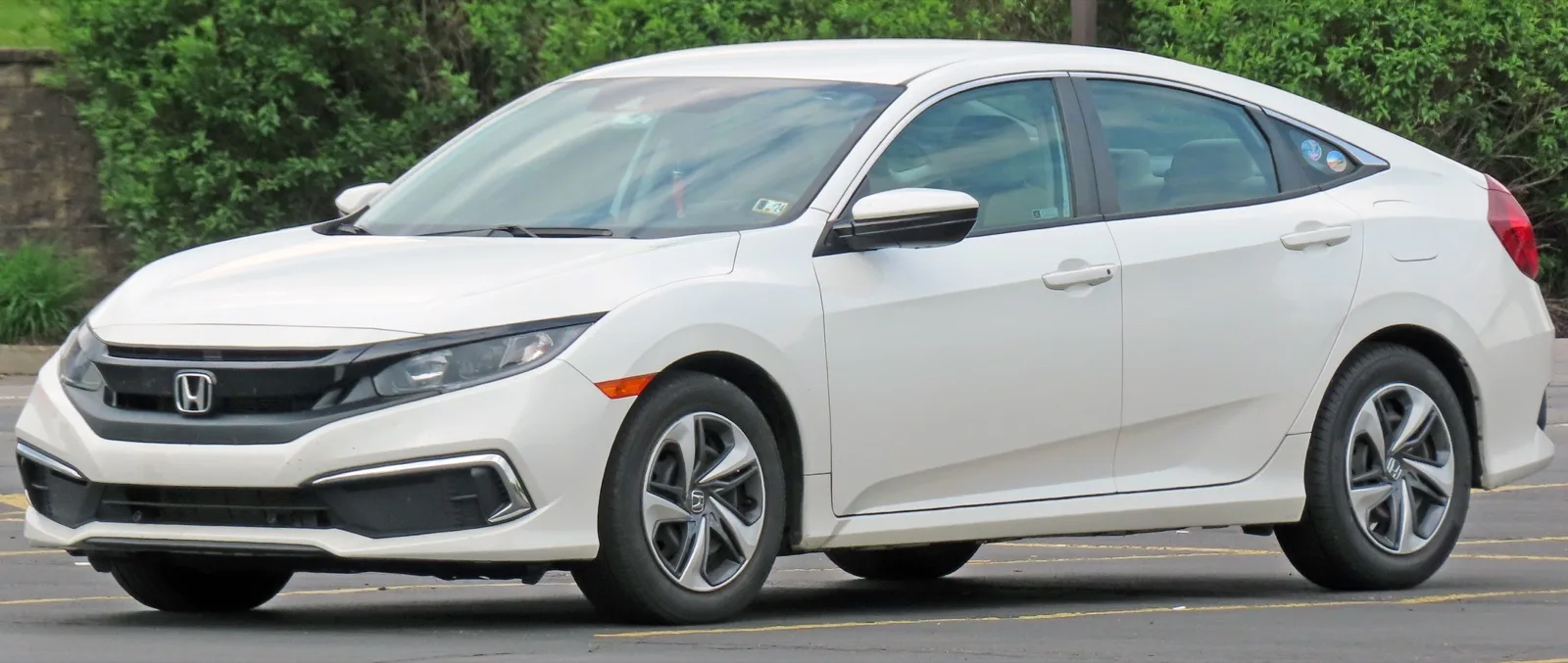
Honda Civic 10th gen facelift common problems

The facelift Civic is still one of the easier daily drivers in this class, but the same ownership themes keep returning: brake noise, A/C weakness at idle, battery reserve complaints, ignition-side drivability issues, and small front-end noises that get overread fast. This guide puts those patterns in one place so the diagnosis stays grounded.

Editorial review

This guide is written as a flagship ownership page for the facelift Civic, pulling the repeat complaints and best next reads into one place.

By Kreativ Auto Editorial Team Reviewed Apr 11, 2026
Ownership guideGeneration-specificRelated pages reviewed
Honda Civic 10th gen facelift common problems

At a glance

The short version

If you only need the fast read, this is the facelift Civic ownership pattern in plain language.

  • The facelift Civic is broadly solid, but the repeat weak spots are still clear: brake refinement, idle A/C performance, battery reserve, spark-side drivability, and smaller front-end noise.
  • The money gets wasted when these commuter-grade complaints are treated like bigger mystery failures instead of ordinary diagnosis and fitment decisions.
  • If the repair path stays disciplined, most facelift Civic problems stay manageable and predictable.

Ownership pattern

5

Repeat trouble areas

1

Useful comparison guide

Most wasted money in this cluster comes from treating commuter-grade A/C, brake, and battery complaints like bigger system failures than they really are.

The five trouble areas worth knowing

These are the patterns that come up often enough to define the ownership experience for a lot of facelift 10th gen Civics.

1. Climate comfort

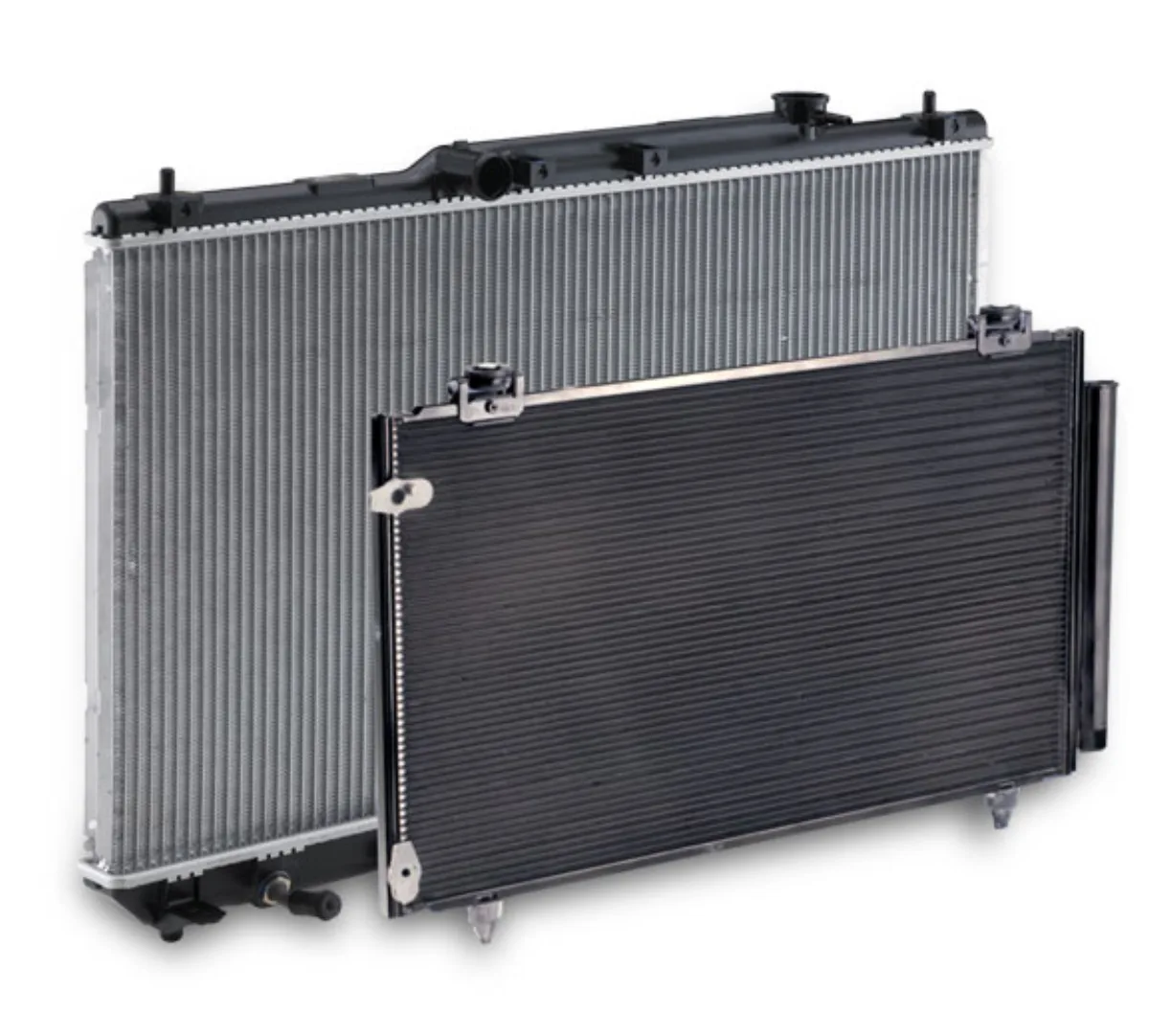
A/C that gets weak at idle

A Civic that cools better on the move than in traffic creates one of the most common ownership complaints on this generation.

2. Charging margin

Battery behavior that looks more mysterious than it is

Weak reserve, idle flicker complaints, and commuter usage patterns make the electrical story feel bigger than the first repair usually is.

3. Brake refinement

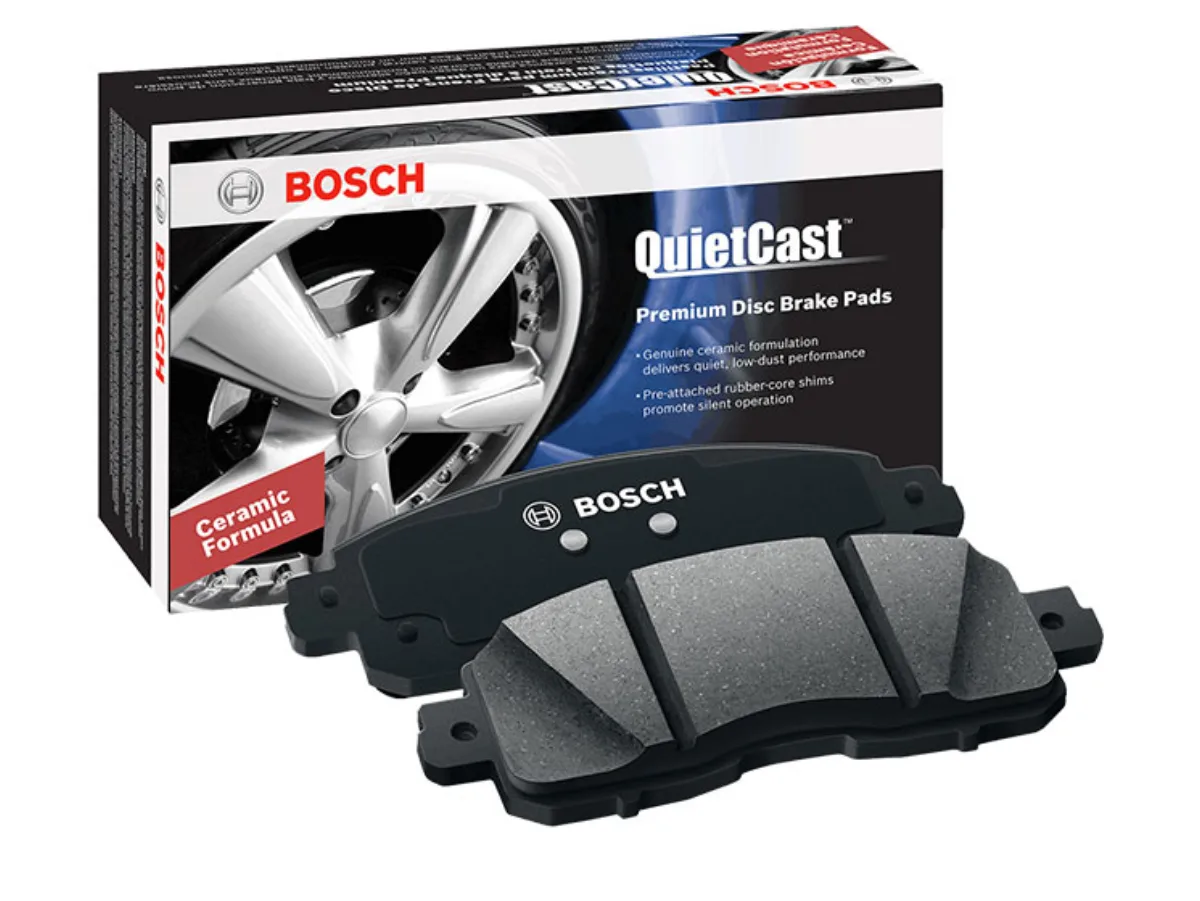
Brake squeal that makes the car feel cheaper than it is

A lot of Civic frustration starts with low-speed squeal and pad choice, not with a broader brake-system failure.

4. Front-end refinement

Small front suspension noises that age the car early

Light rattles and front-end chatter can make the Civic feel tired long before the actual repair deserves to be expensive.

5. Spark-side drivability

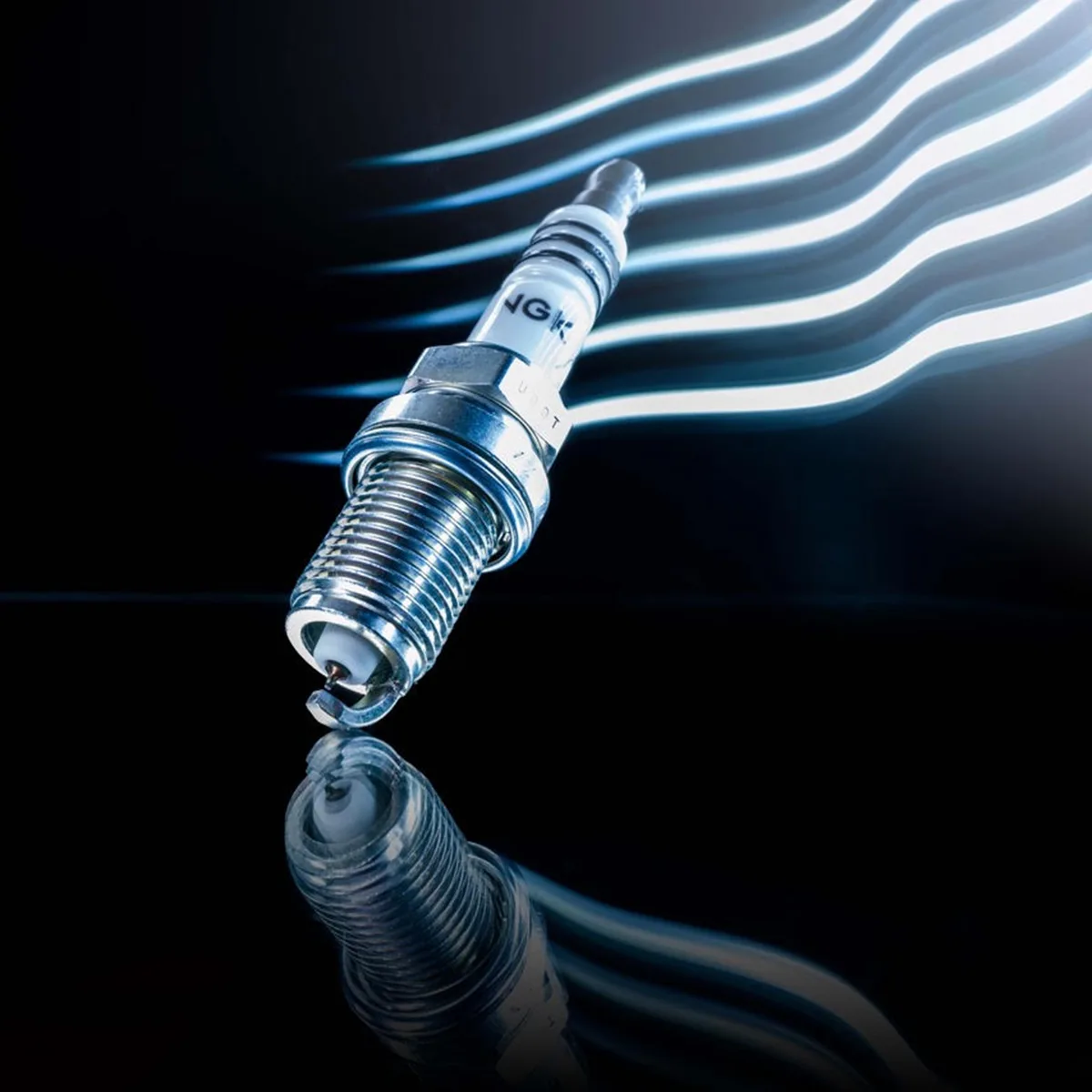
Misfire and hesitation complaints that still start with basic ignition work

These complaints sound larger because the engines are modern and turbocharged in some trims, but the first useful look is still often on plugs and coils.

The three areas that make the biggest visual impression

These are the repair buckets that most clearly change how the facelift Civic feels in daily use.

What to check first before spending money

The easiest way to waste money on this Civic is to skip the repeat offenders and jump to the broad theory.

  • If the A/C is weak at idle, separate airflow and condenser-side concerns before replacing unrelated parts because the complaint feels electrical.
  • If the battery light flickers or the starts feel weak, check reserve and charging margin before assuming a broad electronics problem.
  • If the brakes squeal at low speed, keep the diagnosis in the brake-refinement bucket before treating it like a larger safety-system failure.
  • If the front end rattles, start with links and smaller wear points before the estimate grows into full front-suspension replacement language.
  • If drivability goes rough, read the codes and check plugs and coils before the diagnosis drifts into bigger turbo or electronics theories.

Where owners usually overreact

These are the places where the Civic ownership story gets distorted because the diagnosis starts too far from the real complaint.

A/C complaints get treated like full-system failure

Traffic-idle cooling weakness feels dramatic, but the useful diagnosis usually starts much smaller and more specific.

Brake squeal gets turned into a vague brake-system story

A lot of the Civic brake complaint is about refinement, pad choice, and daily-driver behavior, not a larger hardware failure.

Small front-end noises get promoted too quickly

The front-end rattle story often starts with modest wear items, but people jump to major suspension language too early.

Modern-engine drivability gets made scarier than it is

The Civic sounds high-tech enough that hesitation and misfire complaints feel severe, but spark-side basics still deserve the first look.

Who should be more careful

The same facelift Civic advice does not transfer perfectly across every engine and usage pattern.

  • 1.5T owners should keep drivability and maintenance notes separate enough from the 2.0 to avoid overgeneralizing fitment or symptom advice.
  • Short-trip commuter cars deserve earlier battery attention even when the car still starts and drives normally.
  • Drivers in hot climates or heavy traffic will notice A/C idle weakness earlier than owners who mostly use the car at speed.

Best next reads

These are the pages worth opening once you know which facelift Civic complaint bucket you are actually in.

Problem guides linked from this page

These are the problem pages that matter most once the facelift Civic starts showing the same repeat complaints.

Best-parts guides linked from this page

These are the parts pages worth opening when the diagnosis is already pointing at the right repair area.

Comparison guides linked from this page

These are the comparison pages that keep the Civic advice from drifting across the wrong engine assumptions.

FAQ

Is the facelift 10th gen Civic generally a safe buy?

Yes, in broad terms. The important detail is that the repeat weak spots are smaller and more manageable when the diagnosis starts in the right place.

What usually annoys owners first on the facelift Civic?

Brake squeal, warm A/C at idle, weak-battery behavior, and smaller front-end noises are the complaints that tend to show up before anything larger feels wrong.

Do 1.5T and 2.0 Civics share the same advice?

A lot overlaps, but not all of it. The drivability and ownership pattern shift enough that engine-specific comparisons still matter.