Kreativ Auto

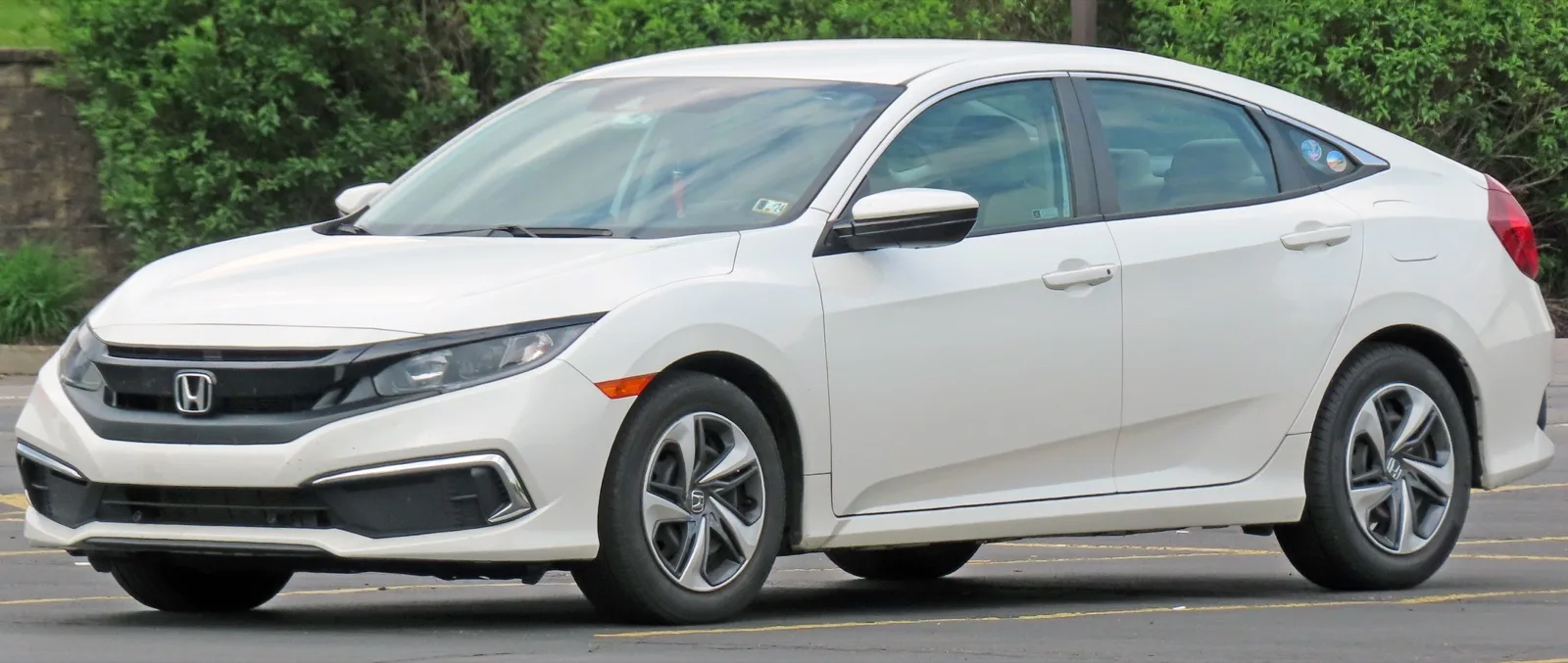
Honda Civic 2019 Common Problems, Maintenance Tips, and Best Parts

Honda Civic 2019 ownership guide with common issues, recommended parts, and maintenance advice.

Last updated March 30, 2026

Honda Civic 2019 Common Problems, Maintenance Tips, and Best Parts

Quality check

Evidence and limits

This page is meant to separate the facelift Civic's repeat ownership pattern from generic Civic confidence. It uses the site's Civic cluster, official Honda material, and recall checks as guardrails, then keeps the advice focused on buyer-visible issues.

Based on

  • Internal cross-check of the Civic car hub, facelift ownership guides, problem guides, best-parts pages, and generation hub.
  • Official Honda owner maintenance and warranty material for 2019 Honda vehicles.
  • NHTSA recall records used as a safety and campaign check, not as proof that every ownership complaint is a recall.

Applies to

  • 2019-2021 facelifted tenth-generation Honda Civic gas sedan, coupe, and hatchback ownership patterns.
  • Mainstream 2.0 NA and 1.5T daily-driver use cases where A/C performance, ignition maintenance, battery reserve, brakes, and front-end refinement matter.
  • North American-style ownership assumptions unless a specific page says otherwise.

Does not cover

  • Civic Si, Type R, track-use, heavily modified, or export-market variants with different brake, suspension, powertrain, or HVAC packaging.
  • A VIN-specific recall, warranty, dealer goodwill, or service-bulletin determination.
  • One-to-one diagnosis for a car that has crash history, flood history, aftermarket tuning, or unknown repair quality.

Decision path

Ownership decision path

Use this before turning a symptom into a parts order or a broad repair theory.

1

If you see

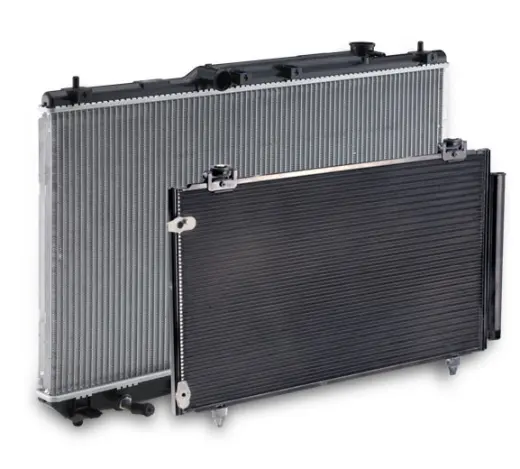
The A/C cools better while driving than it does at idle or in traffic.

Check first

Confirm fan operation, refrigerant charge, leak evidence, and condenser condition before buying parts.

Then decide

Treat the condenser as a serious suspect only after the system test points there.
2

If you see

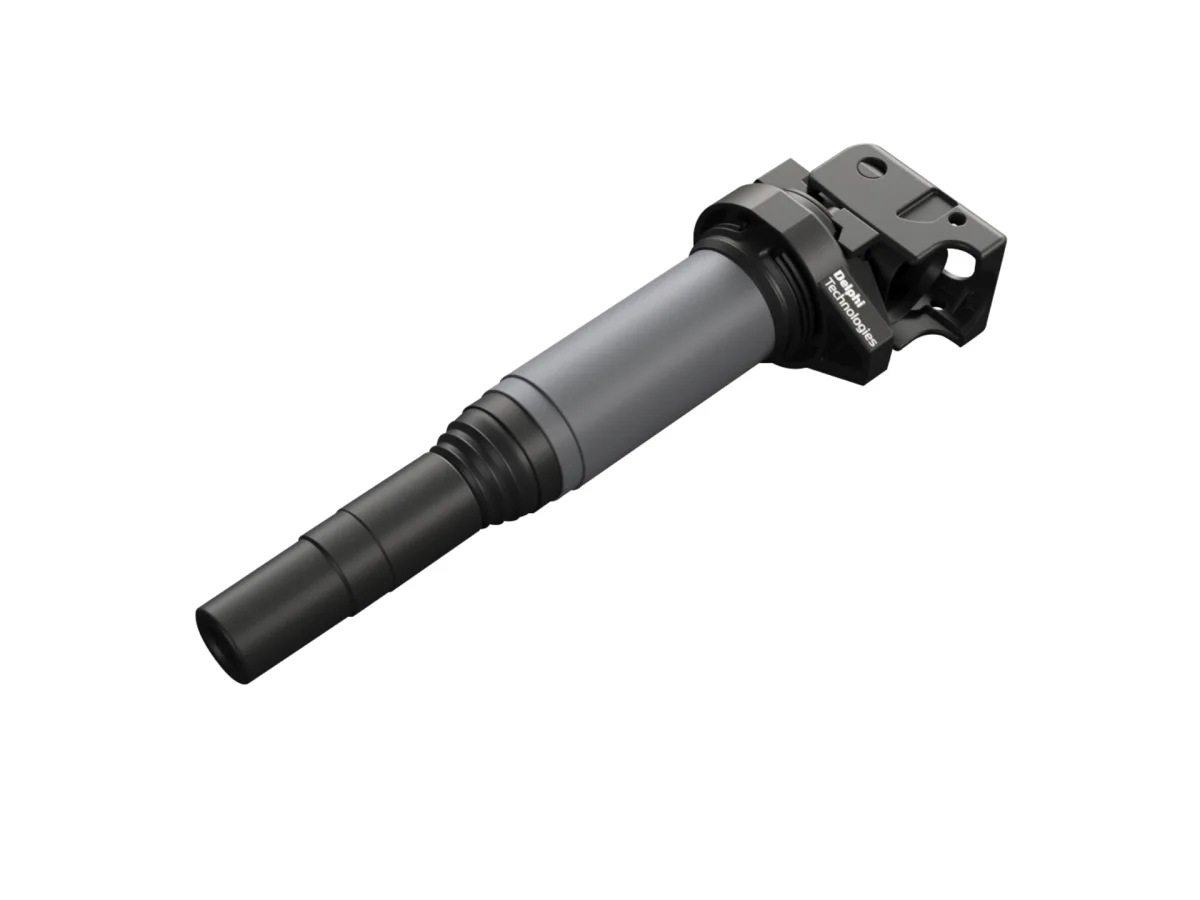
The Civic has rough idle, hesitation, cold-start stumble, or a misfire code.

Check first

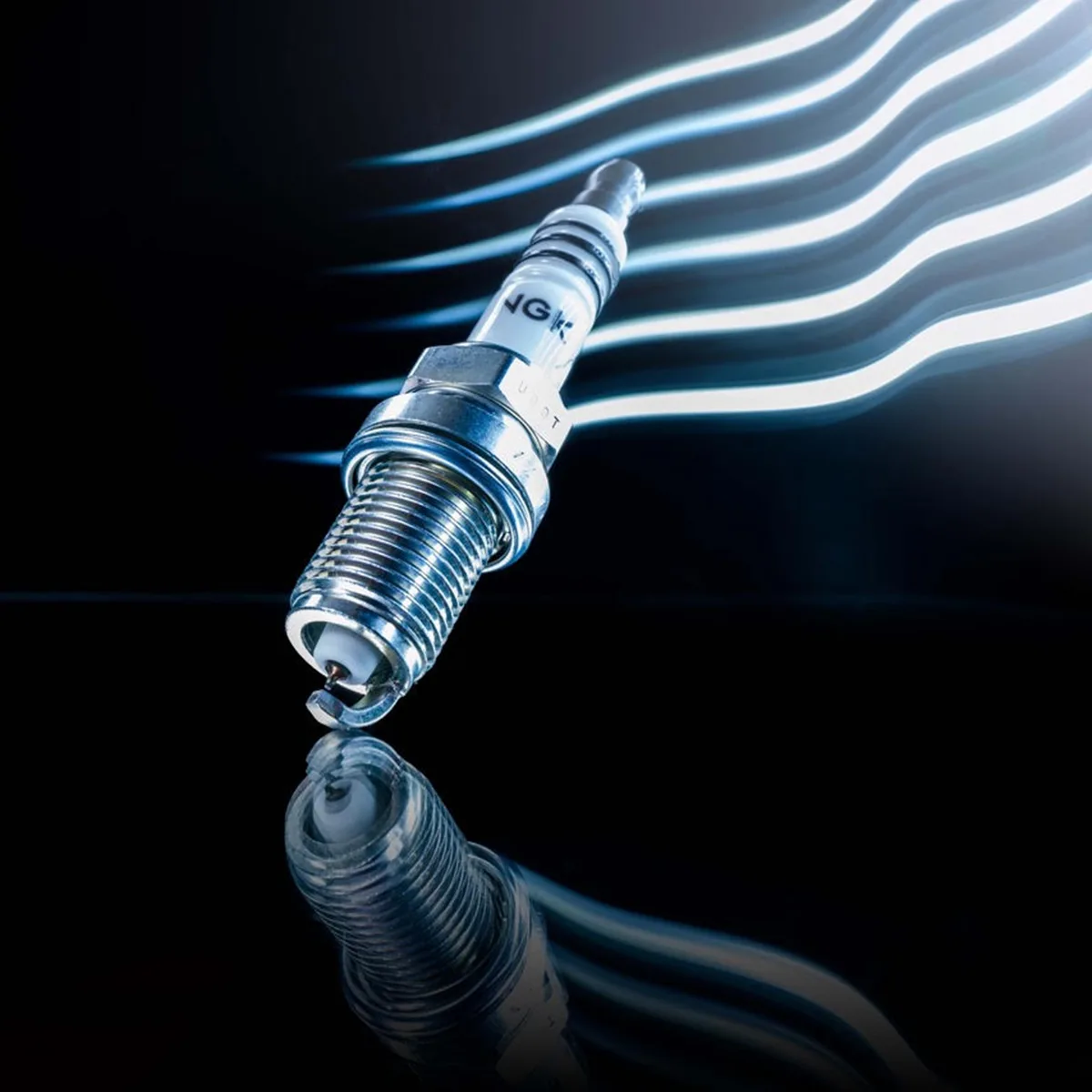
Start with spark plugs, coils, maintenance age, and engine-specific fitment before drifting toward fuel or electronics theories.

Then decide

Buy ignition parts only after confirming the symptom pattern and cylinder-side evidence.

3

If you see

The battery warning flickers or the car feels weak after short commuter use.

Check first

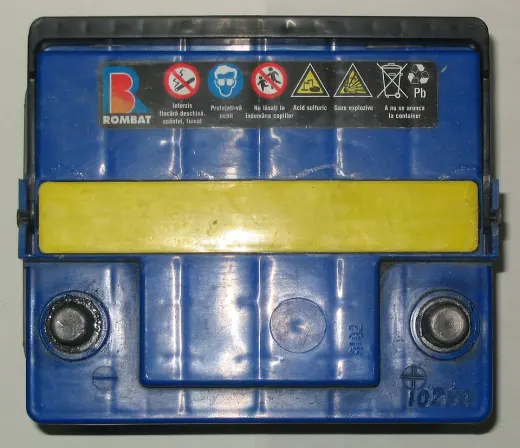
Test battery health and charging voltage before assuming alternator or module trouble.

Then decide

Replace the battery or chase charging only after the voltage evidence is clear.

4

If you see

Low-speed brake squeal or small front-end rattles make the car feel older than it should.

Check first

Separate pad/hardware refinement and sway-bar-link wear from larger brake or suspension failures.

Then decide

Keep the repair in the wear-item tier unless inspection proves a bigger problem.

Overview

A quick view of what owners and shoppers should know before diving into repairs or upgrades.

Honda Civic 2019

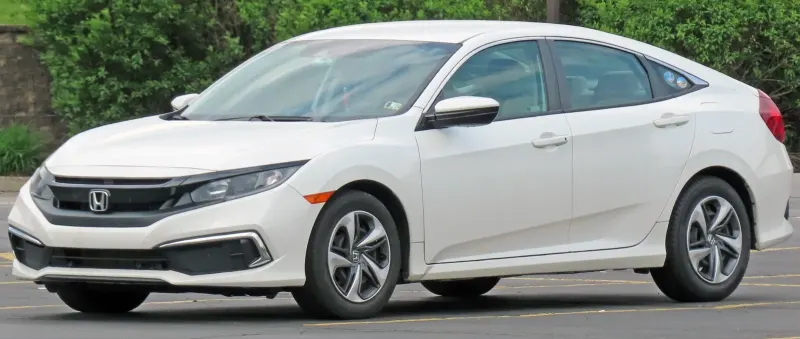
The 2019 Honda Civic is generally dependable, but once mileage starts building, ignition parts, rough idle complaints, and front axle noise are the issues people usually end up chasing.

Brand
Honda
Model
Civic
Year
2019
Generation range
2019-2021
Phase
Facelift (2019-2021)

Common problems

These are the issues owners usually notice first before the repair turns into a bigger annoyance.

  • Engine misfire at idle from worn spark plugs or weak ignition coils
  • Clicking noise when turning caused by worn CV axle joints
  • Rough cold starts tied to delayed maintenance on ignition components
  • Acceleration hesitation that points back to overdue ignition maintenance
  • Air conditioning that cools poorly at idle or in traffic
  • Battery-light flicker and weak voltage behavior at idle
  • Front suspension rattle over small bumps from sway bar link or hardware wear
  • Rear brake squeak after rain from noisy pad compound or sticky hardware
  • Front brake squeal at low speed when pad compound and hardware are not working well together

Fitment and model notes

Use these notes to avoid applying the same advice across trims, phases, or powertrains that behave differently.

Which trims this applies to

  • Most 2019 Civic sedan, coupe, and hatchback gas trims in the facelifted FC/FK range, including the 2.0 NA and 1.5T cars.
  • The ignition and axle advice here is most relevant to the standard front-wheel-drive gas Civics owners actually service at home or through an independent shop.

When this does not apply

  • Type R and Si models can use different brake, suspension, axle, and tuning-related parts, so do not assume those cars follow the same shopping list.
  • This page is not meant as a fitment guide for older pre-2019 Civic X trims sold in other markets with different engines or equipment packages.

Pre-facelift vs facelift differences

  • The 2019 facelift does not rewrite the Civic mechanically, but some trim packaging and Honda part supersessions changed, so confirm by VIN when ordering HVAC or electrical parts.
  • Earlier 2016-2018 cars share a lot with this page, but facelift-year condenser and trim references are cleaner if you keep 2019-2021 grouped together.

Hybrid vs gas differences

  • The 1.5T cars are more likely to have owners thinking about drivability, boost, and plug condition sooner, while the 2.0 cars are usually simpler around intake and turbo-related diagnosis.
  • Hybrid differences are not covered here because the mainstream 2019 Civic fitment picture in this market is centered on the regular gas lineup.

Maintenance tips

These are the maintenance habits most likely to keep the common complaints from getting expensive.

  • Replace spark plugs on schedule before a mild idle stumble becomes a recurring misfire complaint.
  • Inspect axle boots during routine service to catch CV joint wear before clicking turns into vibration.
  • Keep battery and charging health in check since low voltage can exaggerate ignition-related symptoms.

Related problem guides

If one of the common issues below sounds familiar, these guides go deeper into what to check and what usually fixes it.

Air conditioner blows warm at idle

Problem guide

Air conditioner blows warm at idle

A/C that goes warm at idle usually means airflow or refrigerant efficiency has slipped somewhere in the system.

Battery light flickers at idle

Problem guide

Battery light flickers at idle

A battery light that flickers mostly at idle usually means the charging system is right on the edge, not that the whole car is about to die instantly.

Brake squeal at low speed

Problem guide

Brake squeal at low speed

Low-speed brake squeal is annoying, but it is usually fixable if you check the friction material and hardware properly.

Clicking noise when turning

Problem guide

Clicking noise when turning

Clicking in turns usually points to the axle, but it still pays to confirm before ordering parts.

Engine hesitates under acceleration

Problem guide

Engine hesitates under acceleration

Acceleration hesitation usually comes from ignition, air, or fuel problems, and the wrong first guess can waste a lot of time.

Engine misfires at idle

Problem guide

Engine misfires at idle

A rough idle misfire usually has a short list of real causes. Start there before wasting money.

Front brakes squeal at low speed

Problem guide

Front brakes squeal at low speed

Low-speed front-brake squeal usually points to pad choice or hardware condition before it points to a serious brake-system problem.

Front suspension rattles over small bumps

Problem guide

Front suspension rattles over small bumps

A light front-end rattle over patched roads or small bumps is usually a wear item, not a major suspension failure.

Rear brakes squeak after overnight rain

Problem guide

Rear brakes squeak after overnight rain

A brief rear-brake squeak after damp weather is often a pad and hardware issue, not a serious brake failure.

Rough cold start

Problem guide

Rough cold start

A rough cold start usually points to a short list of repeat offenders, and most of them are easier to catch before the car fully warms up.

Related best parts pages

These parts guides are useful if you already know the area you are dealing with and want to compare options.

Flagship ownership guides

Use these longer guides when you want the repeat-pattern view for the platform before narrowing down to one specific symptom.

Should you buy a used Honda Civic 10th gen facelift?

Used buyer guide

Should you buy a used Honda Civic 10th gen facelift?

A final used-buyer verdict on the facelift Civic, focused on who it suits, who should skip it, and why trim and maintenance nuance still matter on a safe-looking used buy.

Honda Civic 10th gen facelift reliability scorecard

Reliability guide

Honda Civic 10th gen facelift reliability scorecard

A used-buyer reliability scorecard for the facelift Civic, focused on what is genuinely easy to live with, which weak points deserve real attention, and where the platform reputation hides nuance.

Honda Civic 10th gen facelift common problems

Ownership guide

Honda Civic 10th gen facelift common problems

A flagship ownership guide to the repeat Civic facelift issues, what to check first, and which pages to open next before routine commuter problems get overdiagnosed.

Honda Civic 10th gen facelift maintenance costs and weak points

Maintenance guide

Honda Civic 10th gen facelift maintenance costs and weak points

A maintenance-focused flagship guide to facelift Civic ownership costs, recurring weak points, and the service items most likely to matter first on a daily-driven car.

Honda Civic 10th gen facelift service schedule and intervals

Service guide

Honda Civic 10th gen facelift service schedule and intervals

A service-interval guide to the facelift Civic maintenance rhythm, including the jobs that matter most on commuter-driven cars and where owners should not stretch the schedule.

Honda Civic 10th gen facelift what to check before buying

Buying guide

Honda Civic 10th gen facelift what to check before buying

A buyer-focused guide to the facelift Civic checks that matter most before purchase, including the commuter-grade weak points that are easy to dismiss too quickly.

Honda Civic 10th gen facelift trims and engines: which one to buy

Trim guide

Honda Civic 10th gen facelift trims and engines: which one to buy

A trim-and-engine buying guide for the facelift Civic, focused on which versions suit normal daily use best and where the ownership tradeoffs actually change.

Honda Civic 10th gen facelift: what to avoid

Avoid guide

Honda Civic 10th gen facelift: what to avoid

An ownership guide to the facelift Civic mistakes, weak-condition examples, and buying shortcuts that create the most regret.

Trim and powertrain guides

Use these comparison guides when the next question is which version of the car the advice actually applies to.

FAQ

Is the 2019 Honda Civic prone to ignition issues?

Not broadly, but delayed plug replacement and aging coils can eventually lead to idle misfires and rough starts.

What usually causes clicking while turning in a Civic?

The most common cause is CV axle joint wear, especially when the protective boot has cracked and lost grease.