Kreativ Auto

Clicking Noise When Turning: Causes, Fixes, and Parts to Check

Use this guide to figure out what the symptom usually means, how urgent it is, and what to check before buying parts or booking the repair.

Editorial review

These problem guides are written to help drivers identify the most likely cause, make a sensible first check, and avoid wasting money on the wrong repair.

By Kreativ Auto Editorial Team Reviewed Mar 30, 2026
Problem guideFitment notes checkedParts links reviewed
Clicking Noise When Turning: Causes, Fixes, and Parts to Check

Quality check

Evidence and limits

Turning clicks are treated as CV-joint diagnosis first, but this page keeps side confirmation and boot inspection ahead of parts ordering.

Based on

  • Internal cross-check of the Civic car hub, facelift ownership guides, problem guides, best-parts pages, and generation hub.
  • Official Honda owner maintenance and warranty material for 2019 Honda vehicles.
  • NHTSA recall records used as a safety and campaign check, not as proof that every ownership complaint is a recall.

Applies to

  • 2019-2021 facelifted tenth-generation Honda Civic gas sedan, coupe, and hatchback ownership patterns.
  • Mainstream 2.0 NA and 1.5T daily-driver use cases where A/C performance, ignition maintenance, battery reserve, brakes, and front-end refinement matter.
  • North American-style ownership assumptions unless a specific page says otherwise.

Does not cover

  • Civic Si, Type R, track-use, heavily modified, or export-market variants with different brake, suspension, powertrain, or HVAC packaging.
  • A VIN-specific recall, warranty, dealer goodwill, or service-bulletin determination.
  • One-to-one diagnosis for a car that has crash history, flood history, aftermarket tuning, or unknown repair quality.

What to know first

This is the short version if you want to decide how serious the problem is before digging deeper.

Repair urgency

Medium because a worn joint usually gets worse, not better

Can you drive it?

Usually yes for a short period, but it should be repaired soon once the clicking is consistent

Estimated cost

$25 to $450 depending on whether the issue is only hardware, a torn boot, or a full axle replacement

DIY difficulty

Moderate for inspection, moderate to hard for axle replacement depending on tools and rust

Quick triage

Use this section if you want the shortest path from symptom to the first sensible check.

Quick verdict

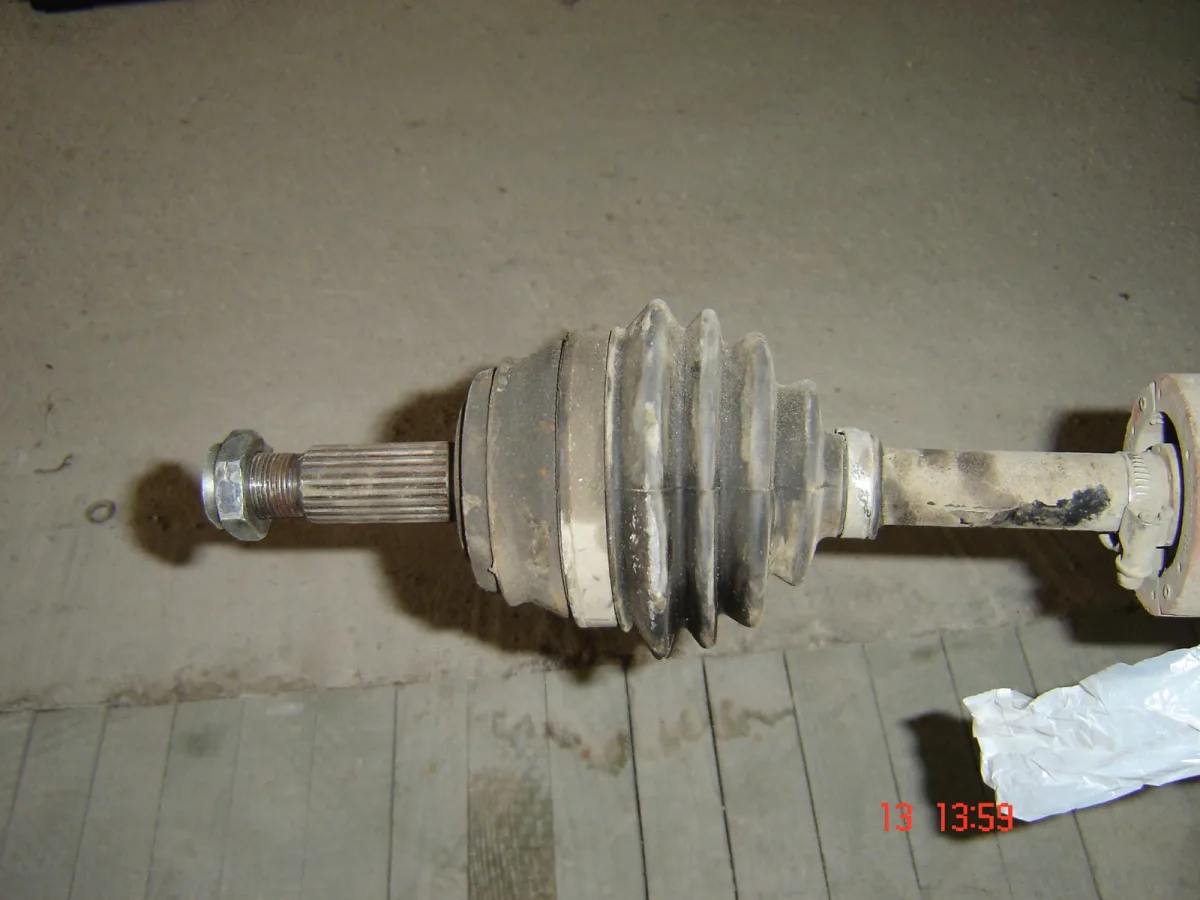
A turning click is still most often a CV-joint problem, but it is worth confirming the side and the boot damage before ordering an axle blindly.

First thing to check

Inspect both front CV boots and confirm which side clicks under load before you buy parts.

Can you drive it?

Usually yes for a short period, but it should be repaired soon once the clicking is consistent

Typical cost range

$25 to $450 depending on whether the issue is only hardware, a torn boot, or a full axle replacement

DIY difficulty

Moderate for inspection, moderate to hard for axle replacement depending on tools and rust

Often confused with

  • Owners often call every turning click a CV axle without checking whether the sound is actually from that side.
  • It can also get mixed up with bearing or suspension noise when no one verifies the click under power in a tight turn.

Stop driving if

  • The clicking turns into vibration, harsh knocking, or obvious axle instability.
  • The boot is split badly, grease is thrown everywhere, and the joint noise is worsening quickly.

Decision path

Vehicle-specific decision path

Use this to keep the diagnosis focused before buying parts or escalating the repair.

1

If you see

Clicking repeats during tight turns under light throttle.

Check first

Inspect both outer CV boots, grease loss, and which side clicks under load.

Then decide

Replace the confirmed axle only after the side and joint behavior are clear.

Symptoms

These are the signs drivers usually notice before the real cause is confirmed.

  • Repetitive clicking from the front end during slow turns
  • Noise is louder while accelerating through a tight corner
  • Split CV boot or grease around the inner wheel area

Likely causes

Start with the common causes first so diagnosis stays efficient and the wrong parts do not get ordered too early.

  1. Outer CV joint wear after grease loss from a torn boot
  2. Low-quality aftermarket axle with poor joint tolerances
  3. Excessive suspension movement making an existing axle issue more noticeable

What usually fixes it

Work through these in order so you can confirm the problem before spending money on parts.

  1. Inspect CV boots and axle joints before assuming the noise is a steering rack problem
  2. Replace the affected axle assembly if the joint clicks consistently under load
  3. Recheck alignment and suspension hardware after axle replacement

When to involve a mechanic

These are the signs that the problem is moving past a basic driveway diagnosis.

  • The clicking gets louder quickly or turns into vibration
  • The boot is torn and grease has already been thrown around the wheel area
  • You are not sure whether the noise is from the axle, wheel bearing, or suspension

Common mistakes

These are the errors that usually waste time, money, or both.

  • Replacing the wrong side because the noise was not confirmed properly
  • Ignoring a torn boot until the joint is beyond saving
  • Buying the cheapest axle available and ending up with new vibration

Related car pages

These vehicle pages give you more context if the same symptom shows up on a specific model.

Related best-parts guides

If you already know the likely repair area, these guides can help you compare the next parts to look at.

FAQ

Is clicking while turning always a bad CV axle?

Most of the time it points to an outer CV joint, but inspection still matters because loose hardware or suspension wear can mimic the sound.

Can I keep driving with a clicking axle?

Short-term driving is often possible, but the joint can worsen quickly once grease is lost, so it should be repaired soon.