
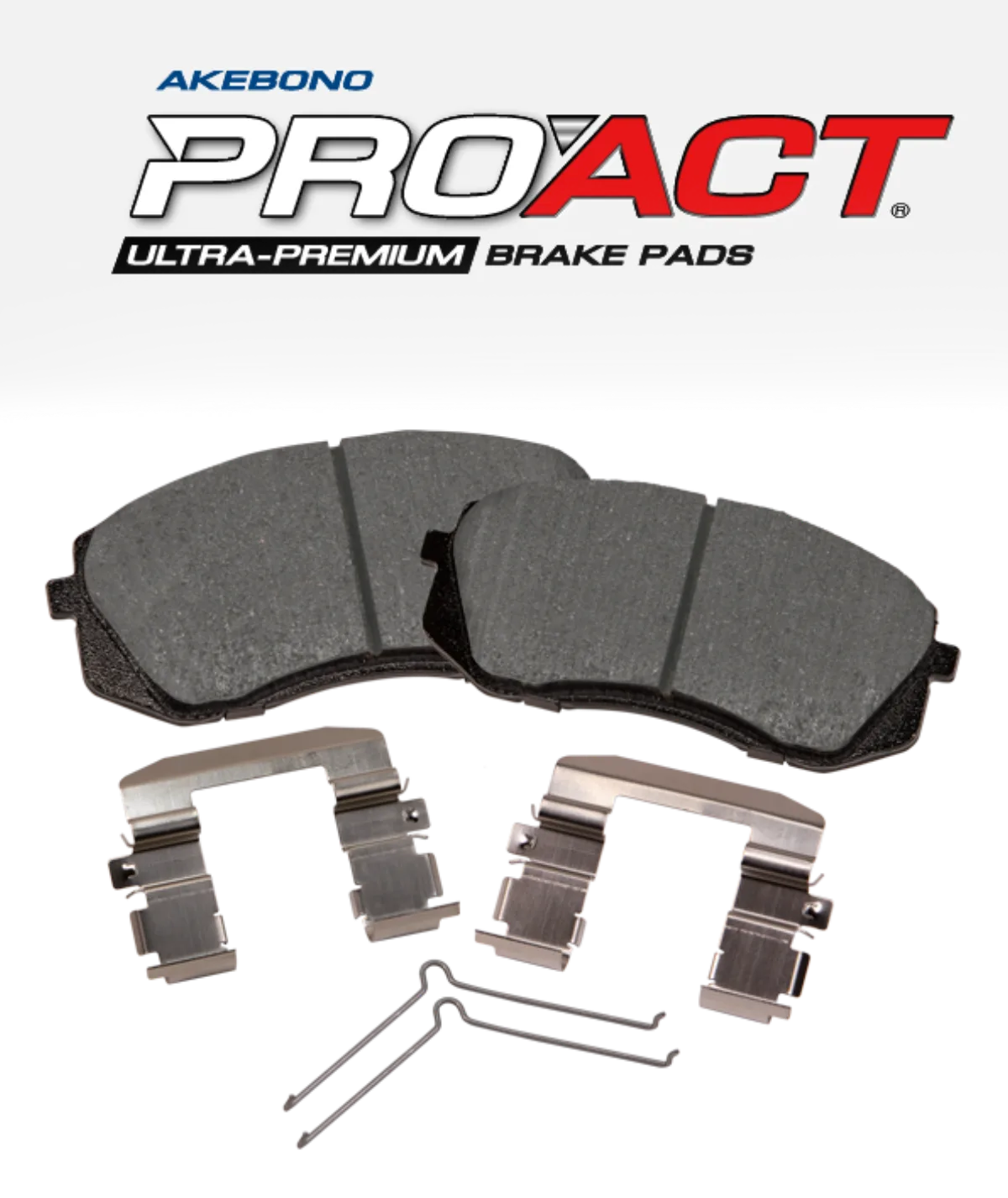
Akebono ProACT Ceramic Brake Pads
Quiet ceramic pad option designed for daily drivers who want low dust and less squeal.
$88
View productNo matching results found.
Kreativ Auto
Low-speed brake squeal is annoying, but it is usually fixable if you check the friction material and hardware properly.
Last updated March 30, 2026
Start with inspect pad condition, rotor surface, and hardware contact points before buying a full brake job..
Quick verdict
Low-speed brake squeal is usually a pad-and-hardware refinement problem before it is a real brake-system emergency.
First thing to check
Inspect pad condition, rotor surface, and hardware contact points before buying a full brake job.
Can you drive it?
Usually yes for short-term driving, as long as braking feels normal and stopping distances have not changed
Typical cost range
$20 to $350 depending on whether the fix is hardware service, new pads, or a full pad-and-rotor job
DIY difficulty
Easy to moderate depending on whether this is inspection, pad replacement, or full brake service
Often confused with
Stop driving if
Look for the details that separate brake squeal at low speed from nearby complaints.
Pad compound glazing or rotor surface contamination is the first cause to rule out before moving deeper.
Work through these fixes only after the checks match brake squeal at low speed.
Escalate brake squeal at low speed when the symptom points beyond a simple inspection.
Avoid these shortcuts when chasing brake squeal at low speed.
These parts make sense only if the checks for brake squeal at low speed point here.
Quiet ceramic pad option designed for daily drivers who want low dust and less squeal.
$88
View product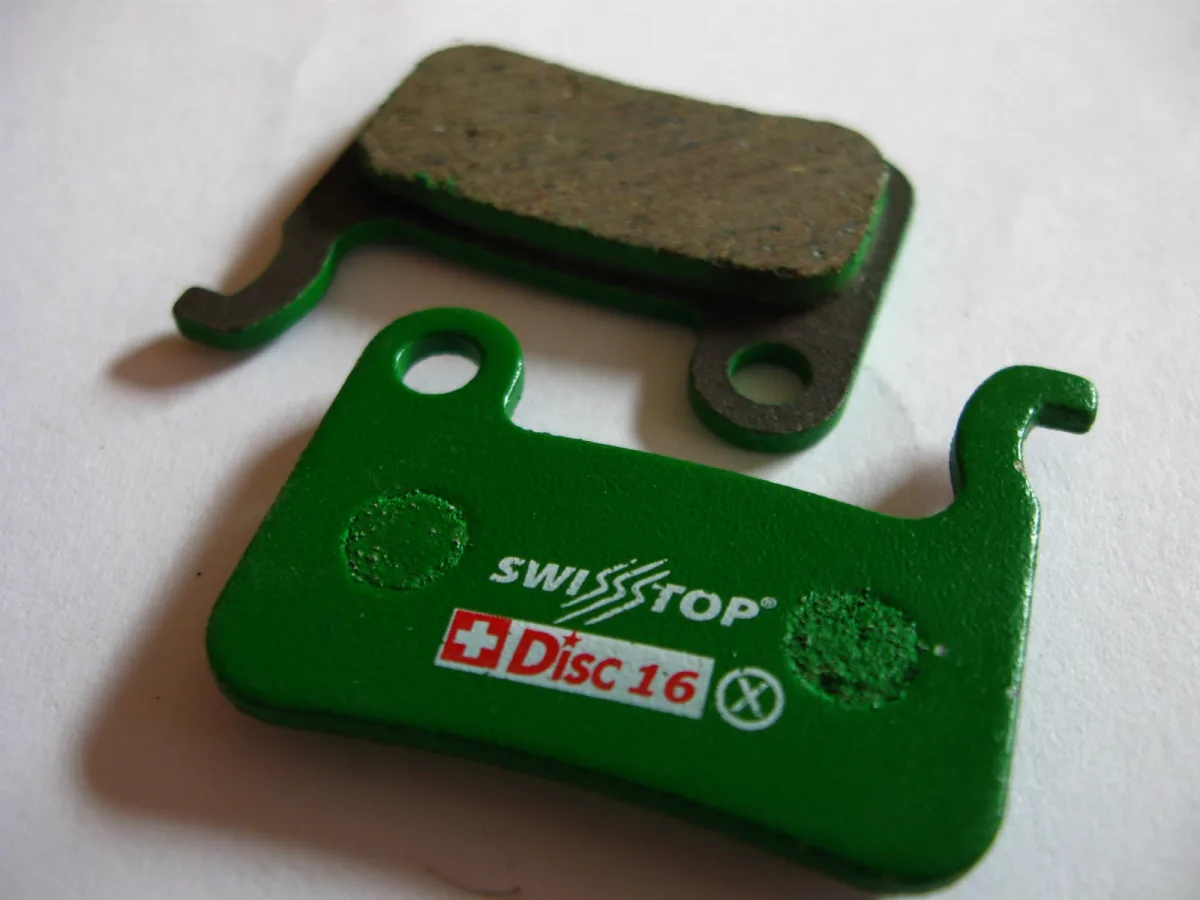
Coated rotor upgrade that pairs well with fresh pads when the surface is worn or glazed.
$96
View productOpen the matching vehicle pages when brake squeal at low speed needs model-year context.
Car
The common 2019 Honda Civic issues worth paying attention to, plus the parts and maintenance items most likely to matter.
Car
The main 2020 Mazda 3 problem areas, simple maintenance moves, and replacement parts worth knowing first.
Car
The main 2020 Corolla issues worth watching, plus the maintenance and replacement parts that usually matter first.
Car
What to watch on a 2020 Toyota RAV4 if you want to stay ahead of brake noise, humming hubs, and the small issues that make an SUV feel older than it is.
Car
The 2021 Toyota RAV4 issues and maintenance points that matter most if you want to keep the car quiet, smooth, and easy to live with.
These parts guides are useful once brake squeal at low speed has a confirmed repair area.
Brake Pads
Confirm the axle, brake condition, rotor measurement, and current catalog fitment before treating a pad family as a RAV4 match.
Brake Rotors
The right RAV4 rotor is the one that restores smooth braking and does not create a new noise problem a month later.
Not always. Squeal can come from pad compound or hardware issues, but rotors should still be inspected for wear or glazing.
Often yes. A quality ceramic pad tends to be quieter and cleaner in daily driving than cheaper alternatives.