Kreativ Auto

Engine hesitates under acceleration: Diagnosis and Fixes

Engine hesitates under acceleration needs a calm first check before money goes into parts or a larger repair.

Editorial review

Engine hesitates under acceleration is organized around the complaint, the first check, and the repair path that follows from the evidence.

By Kreativ Auto Editorial Team Reviewed Mar 31, 2026
Problem guideFitment notes checkedParts links reviewed
Engine hesitates under acceleration: Diagnosis and Fixes

Quality check

Evidence and limits

Acceleration hesitation on a Civic should stay engine-specific. The 1.5T and 2.0 can share symptoms while still needing different context.

Based on

  • Internal cross-check of Civic ownership guides, problem guides, best-parts comparisons, and generation notes.
  • Official Honda owner maintenance and warranty material for 2019 Honda vehicles.
  • NHTSA recall records used as a safety and campaign check, not as proof that every ownership complaint is a recall.

Applies to

  • 2019-2021 facelifted tenth-generation Honda Civic gas sedan, coupe, and hatchback ownership patterns.
  • Mainstream 2.0 NA and 1.5T daily-driver use cases where A/C performance, ignition maintenance, battery reserve, brakes, and front-end refinement matter.
  • North American-style ownership assumptions unless a specific page says otherwise.

Does not cover

  • Civic Si, Type R, track-use, heavily modified, or export-market variants with different brake, suspension, powertrain, or HVAC packaging.
  • A VIN-specific recall, warranty, dealer goodwill, or service-bulletin determination.
  • One-to-one diagnosis for a car that has crash history, flood history, aftermarket tuning, or unknown repair quality.

Engine hesitates under acceleration: quick answer

Use the quick facts to judge whether engine hesitates under acceleration can wait or needs attention now.

Repair urgency

Medium because hesitation can affect safe merging and overtaking

Can you drive it?

Sometimes yes for short trips, but it should not be ignored if throttle response feels unpredictable or warning lights appear

Estimated cost

$0 to $600 depending on whether the problem is ignition maintenance, airflow cleanup, or deeper fuel-system work

DIY difficulty

Moderate because confirming the cause matters more than guessing the most common part

First check path

Start with pull codes and check plug and coil condition before you assume the fuel system or transmission is the real problem..

Quick verdict

Hesitation under acceleration is usually an ignition or airflow problem first, especially when the car still idles well enough to fool you.

First thing to check

Pull codes and check plug and coil condition before you assume the fuel system or transmission is the real problem.

Can you drive it?

Sometimes yes for short trips, but it should not be ignored if throttle response feels unpredictable or warning lights appear

Typical cost range

$0 to $600 depending on whether the problem is ignition maintenance, airflow cleanup, or deeper fuel-system work

DIY difficulty

Moderate because confirming the cause matters more than guessing the most common part

Often confused with

  • Drivers often call hesitation a transmission issue when the engine is really dropping spark or airflow quality under load.
  • It also gets blamed on fuel quality too early even when maintenance history already points toward plugs or coils.

Stop driving if

  • The hesitation turns into bucking, obvious misfires, or flashing warning lights.
  • The car feels unsafe entering traffic because throttle response is no longer predictable.

Decision path

Vehicle-specific decision path

Keep engine hesitates under acceleration tied to checks you can confirm before escalating the repair.

1

If you see

The car hesitates under light or moderate acceleration.

Check first

Check plug age, coil behavior, air intake issues, stored codes, and engine variant.

Then decide

Use the 1.5T-vs-2.0 context before assuming the same repair fits every Civic.
Symptoms to confirm

Look for the details that separate engine hesitates under acceleration from nearby complaints.

  • The engine pauses or feels flat when you press the throttle
  • The hesitation is worse when merging, climbing, or accelerating from low speed
  • Throttle response feels inconsistent even though the engine still idles acceptably

Likely causes

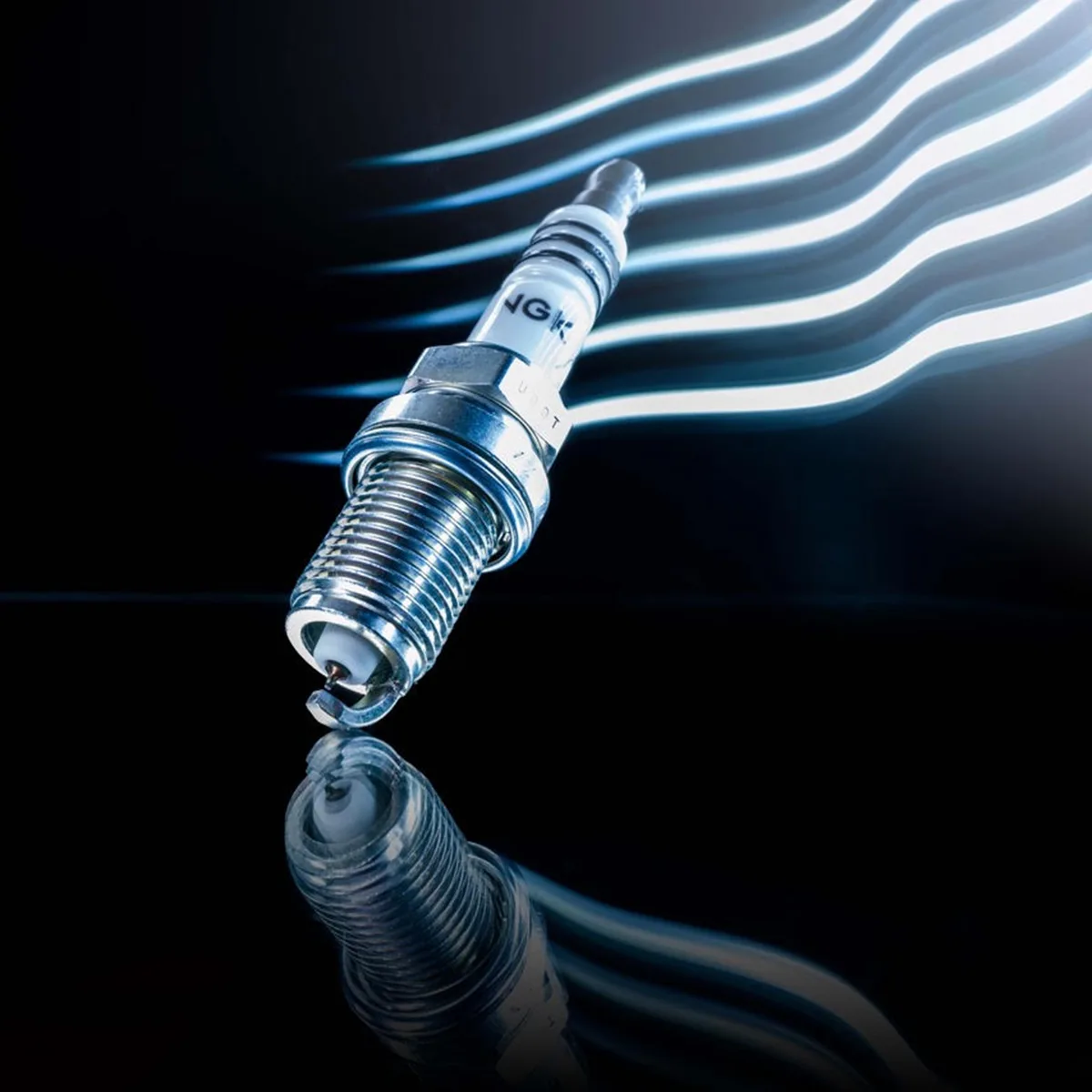
Weak ignition coils or worn spark plugs that break down more under load is the first cause to rule out before moving deeper.

  1. Weak ignition coils or worn spark plugs that break down more under load
  2. Dirty airflow or intake issues that disrupt the air-fuel balance during throttle changes
  3. Fuel delivery problems such as weak pressure or injector performance issues

What usually fixes it

Work through these fixes only after the checks match engine hesitates under acceleration.

  1. Scan for codes and misfire counts before replacing sensors or fuel parts
  2. Inspect ignition components first if maintenance is overdue or the hesitation shows up under load
  3. Check intake connections and airflow-related items before moving deeper into fuel diagnosis

When to involve a mechanic

Escalate engine hesitates under acceleration when the symptom points beyond a simple inspection.

  • The hesitation is getting worse or is joined by a flashing warning light
  • The car bucks, surges, or feels unsafe entering traffic
  • Basic ignition service did not improve the problem

Common mistakes

Avoid these shortcuts when chasing engine hesitates under acceleration.

  • Jumping straight to fuel parts before checking plugs and coils
  • Replacing sensors because the symptom feels electronic
  • Testing only idle behavior even though the real issue shows up under load

Related cars

Open the matching vehicle pages when engine hesitates under acceleration needs model-year context.

Related best-parts guides

These parts guides are useful once engine hesitates under acceleration has a confirmed repair area.

FAQ

Can bad ignition coils cause hesitation under acceleration?

Yes. Weak coils often show up more clearly under load than at idle because the engine needs a stronger, more consistent spark.

Is hesitation under acceleration a transmission problem?

It can feel that way, but many hesitation complaints still come from ignition, airflow, or fuel issues in the engine itself.