Kreativ Auto

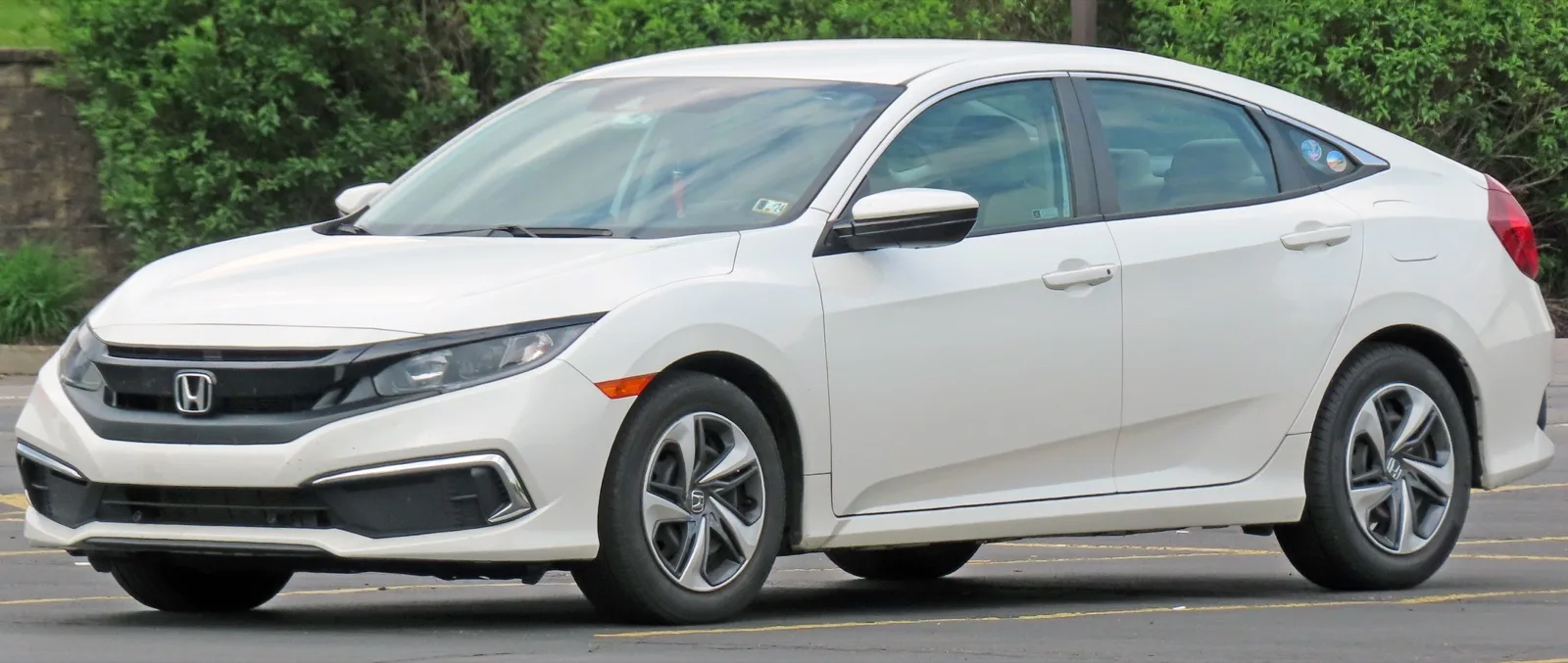
Honda Civic 10th gen facelift: what to avoid

The facelift Civic is easy to trust too fast because the platform reputation is strong. That is exactly where buyers get caught. The biggest mistakes are overpaying for the nicest trim without checking idle A/C, ignoring battery and charging clues, treating front-end rattles like harmless background noise, and flattening all 1.5T and 2.0 advice into one generic Civic story. This guide is about avoiding those mistakes before they become yours.

Editorial review

This guide is written as an avoidance and red-flag page for the facelift Civic range, focusing on the examples and ownership shortcuts that create the most regret.

By Kreativ Auto Editorial Team Reviewed Apr 12, 2026
Avoid guideGeneration-specificBuying-focused
Honda Civic 10th gen facelift: what to avoid

The short version

If you only need the fast read, these are the facelift Civic mistakes to avoid first.

  • Avoid buying on Civic reputation alone. The weak examples usually hide behind that trust.
  • Avoid nicer trims with vague idle A/C, battery, or front-end refinement stories that never got a proper diagnosis.
  • Avoid mixing 1.5T and 2.0 ownership logic into one generic answer when the engine choice still matters.

What to walk away from

These are the patterns most likely to create annoying regret quickly.

  • Idle A/C weakness with no honest repair story behind it.
  • Battery or charging behavior that the seller treats as random and not worth checking properly.
  • Front-end rattle that is already obvious but still dismissed as “just a Honda thing.”
  • An engine-specific question answered with broad Civic generalities instead of actual trim and powertrain detail.

What people overpay for

These are the places where spec and reputation hide an average ownership story.

  • Top trims with better equipment but obvious comfort or refinement weaknesses already showing.
  • 1.5T cars bought because they sound more desirable, even when the buyer does not actually prefer that ownership path.
  • Cars with tidy cosmetics but vague battery, A/C, or brake history.

What is usually still fixable

Not every weak Civic is automatically a bad Civic. These are the issues that are often manageable if the rest of the car is strong enough.

  • Idle A/C weakness that still points toward a known and manageable repair path.
  • Brake refinement problems that still live in the pad and daily-use tier.
  • Smaller front-end rattles that still sound like wear-item work rather than larger suspension trouble.

Problem guides linked from this page

Open these if the example you are considering already shows one of the repeat complaints that makes a facelift Civic riskier to buy.

Best-parts guides linked from this page

Use these when the car is still worth buying but one weak area clearly needs a realistic repair plan.

Comparison guides linked from this page

Use these when the risk story changes with the engine choice.