
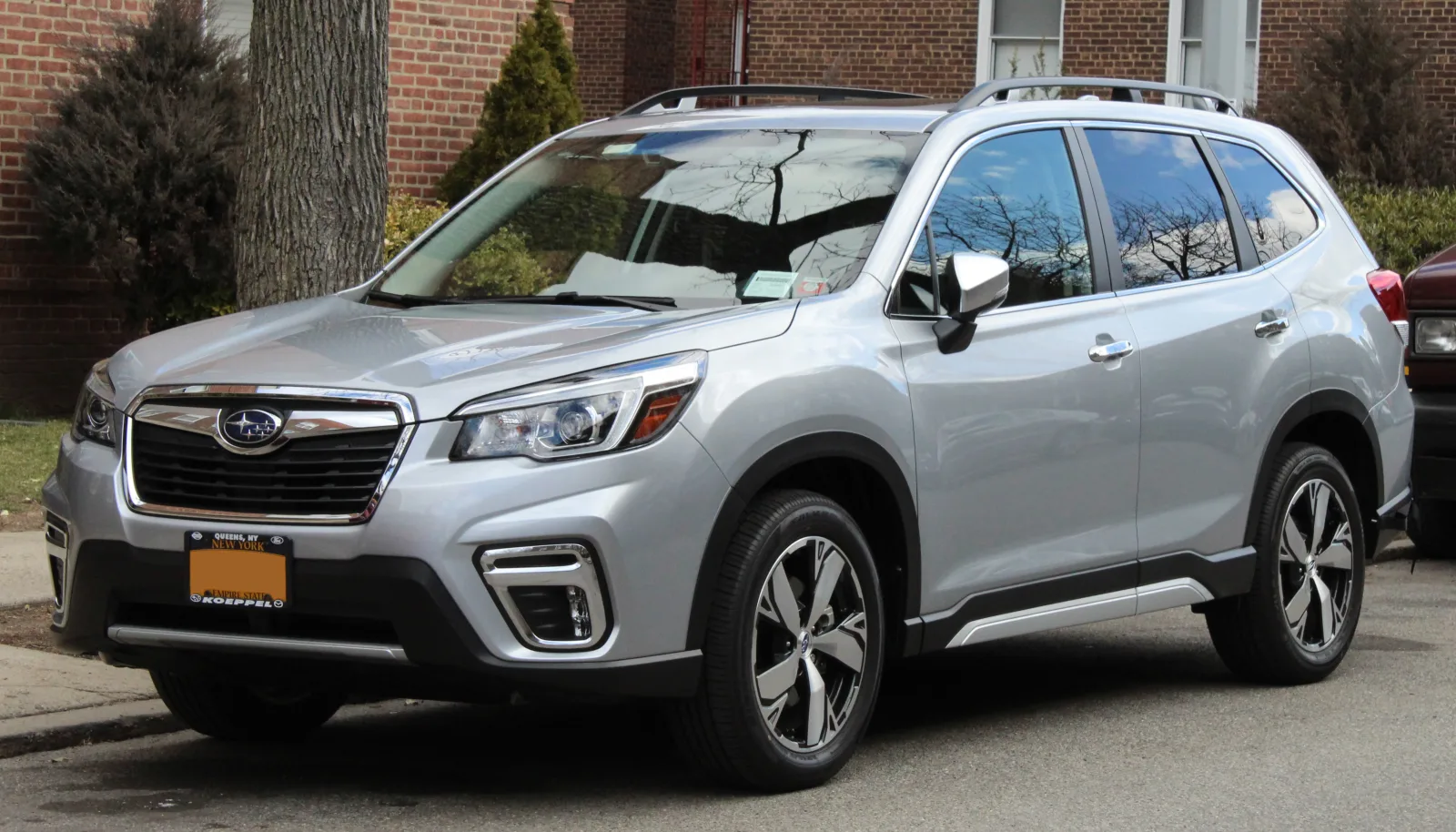
Subaru Forester
Better for visibility and daily simplicity
The Forester is easier to place in town and feels practical without being large. Tire match, battery behavior, and road hum still need careful checks.
No matching results found.
Kreativ Auto
The Forester and Outback both fit the Subaru buyer who wants AWD confidence, but they solve different daily problems. The Forester feels more upright and easy around town. The Outback feels more wagon-like, calmer on trips, and better suited to cargo and highway use. Tire history, battery health, brake noise, and wheel-bearing hum should decide between close examples.
Editorial review
Used Subaru Forester and Outback comparison focused on AWD maintenance, tire condition, road noise, and family-use tradeoffs.
Start with the buying answer, then check the sections below for the details that change the decision.
The Forester is the upright everyday SUV; the Outback is the calmer long-trip wagon.
Subaru Forester
The Forester is easier to place in town and feels practical without being large. Tire match, battery behavior, and road hum still need careful checks.
Subaru Outback
The Outback is the stronger choice for longer drives and cargo. Brake noise, wheel-bearing hum, and tire history should be priced before choosing it for distance work.
Subaru ownership confidence depends heavily on tire and service discipline.
The body style decision should match daily use rather than brand loyalty.
The same sequence works for both Subarus.
Choose the Subaru that fits the job and has the cleaner evidence.
Choose the Forester when daily visibility, easier city use, and a smaller footprint matter most. It is the better simple-family Subaru when the tires, battery, and road noise check out.
Choose the Outback when cargo length, highway calm, and trip comfort matter more. It deserves the nod only when wheel-end noise, brake condition, and tire history are strong enough for that use.
Move into the matching ownership page once one vehicle is the stronger candidate.
The Forester is usually better for upright visibility and city use. The Outback is usually better for cargo length and road trips. Condition and tire history decide close calls.
Both should be treated as tire-sensitive AWD vehicles. Matching tires and rotation records are important before diagnosing road hum or drivetrain complaints.
Start with tire match, tread depth, road-speed hum, battery reserve, brake condition, and CVT or differential service records.