Generation Hub
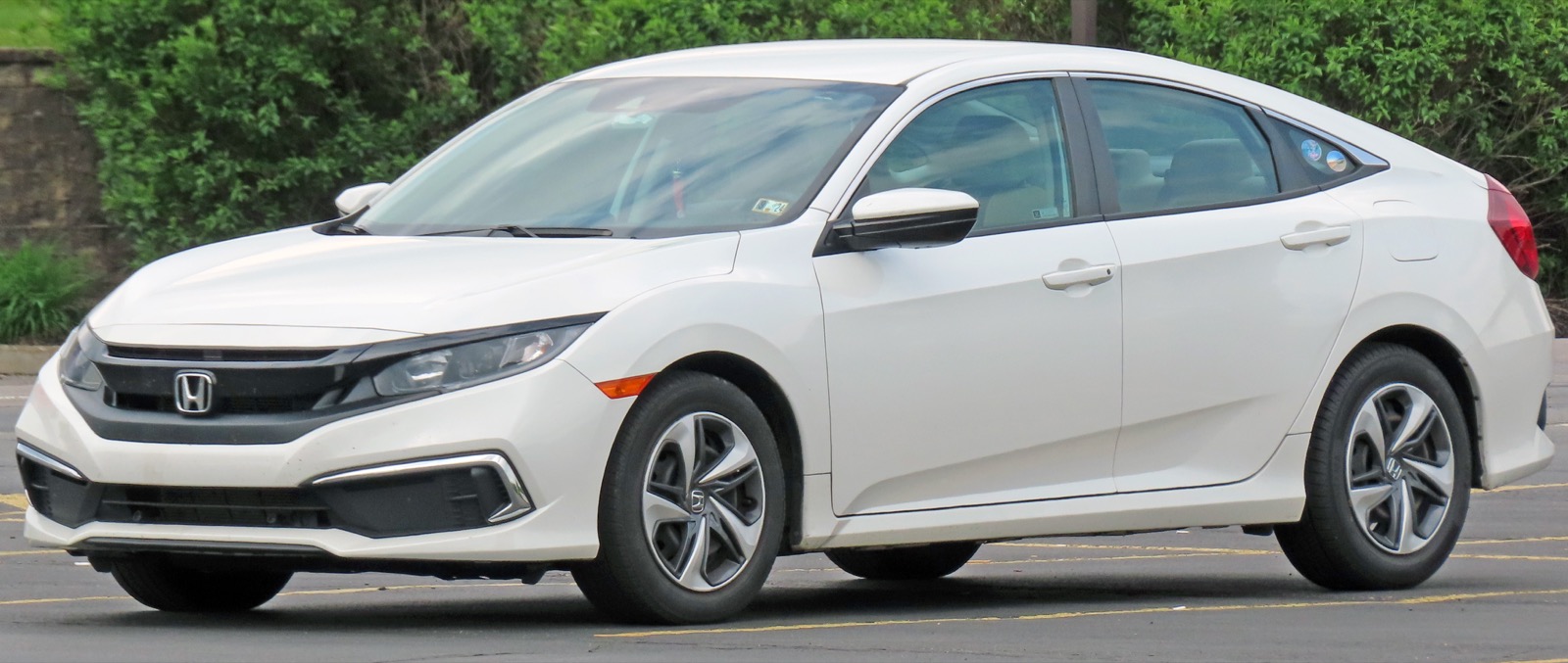
Honda Civic FC/FK Facelift
2019-2021
The facelifted tenth-generation Civic is the version a lot of owners expect to be almost trouble-free, and broadly it is. The repeat pattern is still easy to spot though: ignition-related drivability issues when maintenance slips, A/C performance complaints in traffic, and the smaller chassis noises that make the car feel more worn than it really is.
Start here
If this is your first stop on the generation, use these paths to get to the most useful problem, parts, and comparison pages faster.
Best next read
Start with the powertrain split
Use the 1.5T versus 2.0 guide first if you are still mixing advice across the two mainstream engines.
Best next read
If the engine feels rough
Start on the misfire and ignition pages before shopping random sensors or fuel parts.
Best next read
If the car feels worn in traffic
The A/C, front-end noise, and rear-brake refinement pages are where this generation usually shows age first.
Why this generation matters
These are the ownership patterns that repeat often enough to make the generation hub more useful than a single model-year page.
- The 2019-2021 facelift years are the cleanest way to group the later Civic X ownership pattern, especially for the regular gas sedan, coupe, and hatchback trims.
- What wastes money on these cars is usually not a huge catastrophic failure. It is replacing the wrong ignition part first, blaming every front-end noise on something major, or shopping brake and suspension parts without checking trim and body style closely enough.
- If you stay disciplined on spark plugs, charging health, front-end inspection, and common A/C weak points, these Civics usually stay cheap and easy to live with.
Common trouble spots
These are the areas worth checking first when this generation starts feeling rougher, noisier, or less sorted.
- Idle misfires, cold-start roughness, and light hesitation still cluster around overdue ignition maintenance more than owners want to believe.
- A/C complaints are often most obvious at idle or in traffic, where condenser efficiency and fan behavior show their weakness fastest.
- Small front-end rattles and driveway-entry clunks are easy to overdiagnose unless sway-bar links, axle condition, and brake hardware get checked in the right order.
- Brake squeal on these cars is often more about compound choice and hardware condition than some serious brake-system failure.
Best first parts to check
These are the first repair areas worth checking before the diagnosis gets more expensive than it needs to be.
- Start ignition complaints with spark plugs and then coils, not with random sensor guesses.
- For warm-idle A/C complaints, check condenser condition, fan performance, and whether the symptom is worse in traffic than at speed.
- If the front end rattles or clunks, inspect sway-bar links, brake hardware, and axle boots before you assume struts or racks.
- If the car squeaks after rain, rear pad compound and hardware condition are usually worth checking before ordering a full brake overhaul.
Ownership notes
Use these notes to keep diagnosis and parts buying grounded in how this generation is actually used.
- Confirm whether the car is a 2.0, 1.5T, Si, or Type R before buying parts. The mainstream Civic advice here is for the regular gas lineup, not the special trims.
- Do not lump every Civic X year together by default. The facelift years share a lot, but condenser listings, trim packaging, and some supplier changes are cleaner if you keep 2019-2021 together.
- Short-trip cars need battery and ground checks sooner, especially if voltage behavior starts looking random.
- When front-end noise shows up, inspect links, pads, and axle boots before assuming the repair is bigger than it is.
Pre-facelift vs facelift
These notes help keep the current generation window separate from earlier overlap where the parts and ownership pattern start to drift.
- The 2019 facelift does not transform the chassis, but it is still the right split for keeping condenser, trim, and later-year fitment guidance cleaner.
- Earlier 2016-2018 Civic X cars overlap in broad ownership logic, but mixing them blindly into the facelift cluster makes parts and trim guidance sloppier.
Which trims or years need extra care
These are the places where advice starts drifting if you treat the whole generation like one identical car.
- Do not treat Si and Type R fitment like regular Civic trim fitment. Brake, suspension, and powertrain assumptions drift quickly there.
- The 1.5T and 2.0 share a lot of ownership logic, but they do not share every ignition, drivability, or buying conclusion cleanly.
- Late-year facelift cars are the cleaner group for later condenser and trim guidance. Earlier Civic X overlap exists, but parts shopping gets sloppier if you flatten it too much.
Problem guides for this generation
Start with these if the car is showing the symptoms owners in this generation range run into most often.
Problem guide
Air conditioner blows warm at idle
A/C that goes warm at idle usually means airflow or refrigerant efficiency has slipped somewhere in the system.
Problem guide
Battery light flickers at idle
A battery light that flickers mostly at idle usually means the charging system is right on the edge, not that the whole car is about to die instantly.
Problem guide
Engine misfires at idle
A rough idle misfire usually has a short list of real causes. Start there before wasting money.
Problem guide
Front brakes squeal at low speed
Low-speed front-brake squeal usually points to pad choice or hardware condition before it points to a serious brake-system problem.
Problem guide
Front suspension rattles over small bumps
A light front-end rattle over patched roads or small bumps is usually a wear item, not a major suspension failure.
Problem guide
Rear brakes squeak after overnight rain
A brief rear-brake squeak after damp weather is often a pad and hardware issue, not a serious brake failure.
Best-parts guides for this generation
These parts pages are the fastest way to narrow the shortlist once you know the repair area.
A/C Condensers
Best A/C condensers for Honda Civic 2019
The right Civic condenser is the one that restores proper cooling without making the repair feel temporary.
Front Brake Pads
Best front brake pads for Honda Civic 2019
The best Civic front brake pads are the ones that keep the car quiet and predictable in everyday traffic, not the ones with the loudest marketing.
Front Sway Bar Links
Best front sway bar links for Honda Civic 2019
The right Civic front sway bar links are the ones that quiet the small-bump rattle without turning a simple repair into another guess.
Ignition Coils
Best ignition coils for Honda Civic 2019
The ignition coil picks here are for Civic owners who want a proper repair, not the cheapest box they can click on.
Rear Brake Pads
Best rear brake pads for Honda Civic 2019
The best Civic rear brake pads are the ones that stay quiet in daily use and do not turn every damp morning into a brake-noise ritual.
Spark Plugs
Best spark plugs for Honda Civic 2019
The best Civic spark plugs are the ones that restore cold-start smoothness and idle quality without turning a basic tune-up into guesswork.
Comparison guides for this generation
Use these when the next question is which engine, drivetrain, or powertrain version the advice actually applies to.