
Kreativ Auto
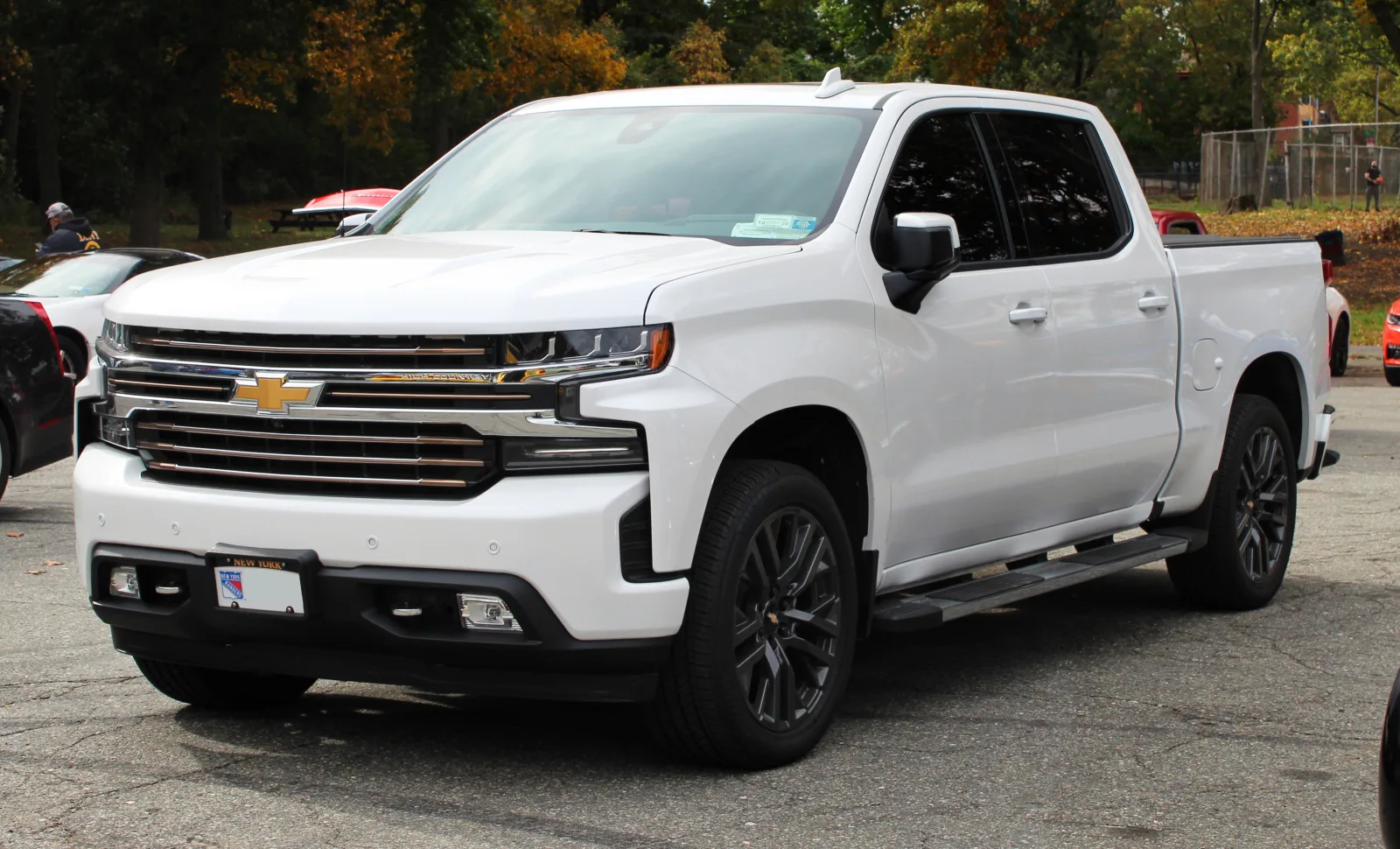
Chevrolet Silverado 1500 2020 common problems and weak points
Start with the broad ownership fit: what the vehicle suits, what to avoid, and which checks should happen before buying parts or buying the car.
Editorial review
Practical buyer and owner decisions come first: symptoms to respect, first checks to run, and the repair areas worth checking next.
Quick verdict
Start here if you only need the practical ownership answer.
Verdict
The 2020 Silverado 1500 is easiest to own when tire, wheel, and brake complaints are diagnosed separately instead of being treated as one vague truck vibration.
First check
Drive at highway speed, then inspect tire age, balance evidence, pad condition, rotor surface, and wheel torque before pricing larger repairs.
Best for
These are the ownership cases where this model makes the most sense.
- Owners who want a useful daily truck and are willing to inspect tires, brakes, and wheel-end basics before buying parts.
- Buyers who can verify highway refinement and brake feel on a real test drive, not only in a parking lot.
Avoid if
These are the shortcuts or condition issues that should change the buying decision.
- The truck already shakes at highway speed or pulses through the pedal and the seller treats it as normal full-size-truck behavior.
- Tires are mismatched, worn unevenly, or old enough that brake and suspension diagnosis will be noisy from the start.
Key checks
Work through these before accepting a vague explanation or ordering parts.
- Check tire age, brand match, tread wear, and visible damage before blaming hubs or suspension.
- Feel for brake pedal pulsation during several medium stops after the brakes are warm.
- Look for towing or hauling use, then compare that story with brake wear and service records.
- Listen for road-speed hum separately from engine or transmission load.
Red flags
These patterns usually mean the ownership story is riskier than the listing suggests.
- The truck has heavy-use accessories but no matching tire, brake, or fluid-service history.
- Highway shake remains after obvious tire pressure, tire condition, and wheel-balance clues are checked.
- Brake pulsation is present on a test drive but priced like a cosmetic complaint.
Decision checklist
Turn the ownership notes into a clearer buy, diagnose, or walk-away decision.
Good match
Continue when the use case fits
This car makes the most sense when owners who want a useful daily truck and are willing to inspect tires, brakes, and wheel-end basics before buying parts.. The next step is confirming that the first check does not expose a bigger ownership problem.
Slow down
Diagnose before deciding
Pause the buying or repair decision when the truck already shakes at highway speed or pulses through the pedal and the seller treats it as normal full-size-truck behavior.. A lower price does not help if the condition issue becomes the first major expense.
Walk away
Respect the red flags
Treat the truck has heavy-use accessories but no matching tire, brake, or fluid-service history. as a reason to ask for records, inspect again, or move to another example before spending money.
Next steps
Reduce uncertainty before a listing, inspection, or repair turns into a parts order.
Let the first check act as the filter
Drive at highway speed, then inspect tire age, balance evidence, pad condition, rotor surface, and wheel torque before pricing larger repairs.
Match symptoms to deeper pages
If the first check points at a specific fault area, open Steering wheel vibrates at highway speed on Chevrolet Silverado 1500 2020 before buying replacement parts.
Keep condition ahead of reputation
A strong model reputation still depends on maintenance history, inspection results, and whether the example in front of you matches the right ownership profile.
Before spending money
Make one final pass before buying the car, approving work, or ordering parts from a shortlist.
Confirm the condition before price
Let the first check act as the gate before negotiating. If the car fails that check, the price needs to reflect diagnosis time, parts, and the chance that the first visible symptom is only part of the repair.
Separate normal wear from neglect
A normal wear item is easier to accept when records, tire condition, warning lights, and test-drive behavior all agree. The risk climbs when the truck has heavy-use accessories but no matching tire, brake, or fluid-service history..
Move from overview to symptom
After the broad ownership pass, open Brake pedal pulsates when slowing on Chevrolet Silverado 1500 2020 if that exact symptom shows up. That keeps the next step tied to evidence instead of a generic parts list.
Open next
Open the matching symptom or repair area when the quick ownership check points in that direction.
Problem guide
Steering wheel vibrates at highway speed on Chevrolet Silverado 1500 2020
Start here when the main complaint is highway shake or steering-wheel vibration.
Problem guide
Brake pedal pulsates when slowing on Chevrolet Silverado 1500 2020
Best when the vibration follows braking force more than road speed.
Best parts
Best brake pads for Chevrolet Silverado 1500 2020
Open this after the brake inspection points toward pad replacement instead of tire or hub diagnosis.