
Highway shake
Vibration that is brushed off as normal
A Silverado should not need excuses at highway speed. If shake is present, the seller should have tire, balance, wheel, or brake evidence ready.
No matching results found.
Kreativ Auto
The weak Silverado examples are usually not hard to spot. They shake at speed, pulse under braking, carry mismatched tires, or show work-truck clues while the seller describes them as light-use trucks.
Editorial review
A buyer-focused guide to the 2020 Silverado 1500 examples that deserve a discount, deeper inspection, or a clean pass.
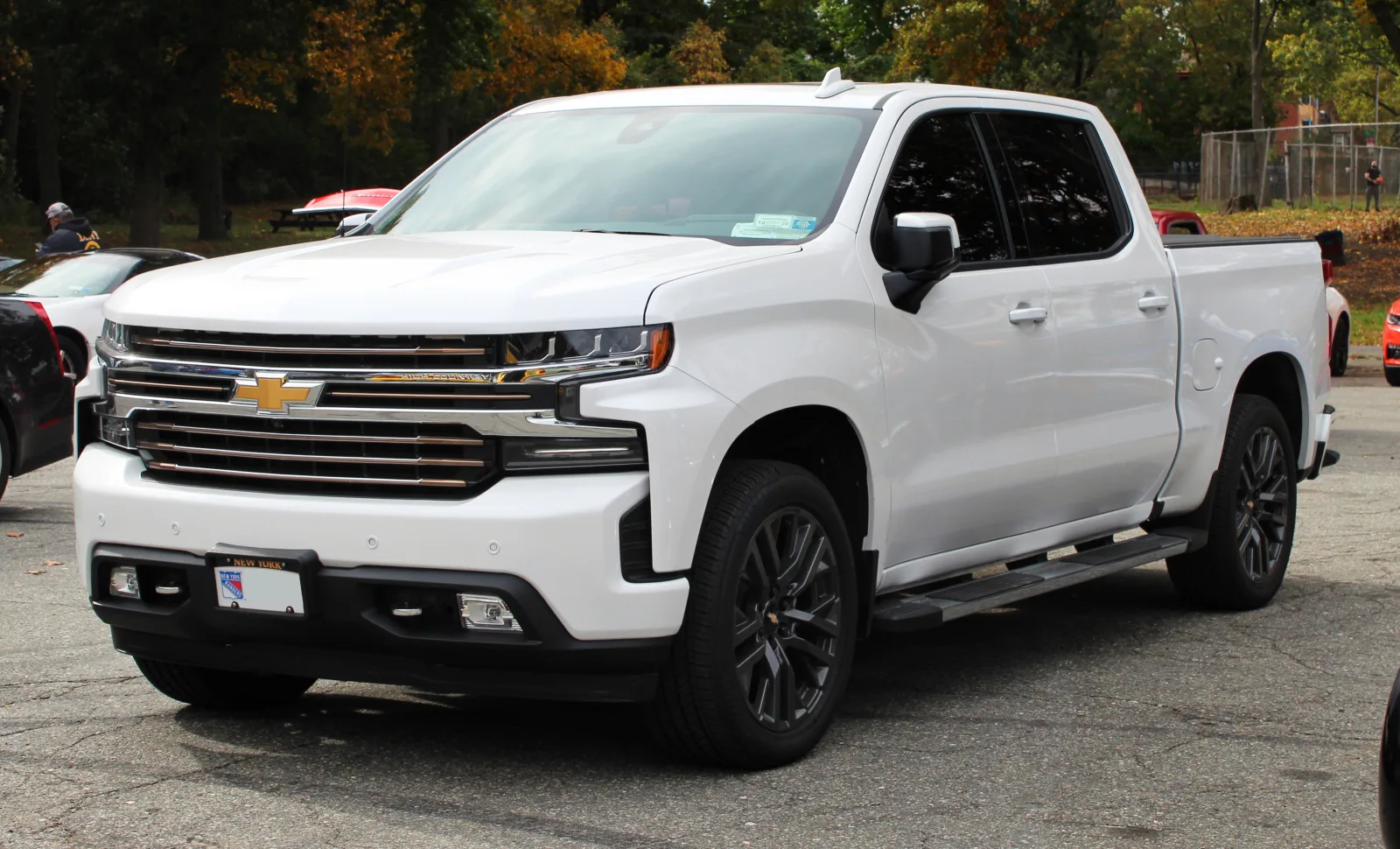
Use these points before the detailed checklist.
These patterns turn a normal used truck into a risky first month.
Highway shake
A Silverado should not need excuses at highway speed. If shake is present, the seller should have tire, balance, wheel, or brake evidence ready.
Brake pulsation
Brake pulsation is easy to feel and easy to price when inspected honestly. It becomes risky when treated like a cosmetic complaint.
Tire condition
Mixed brands, uneven wear, old date codes, or the wrong use case make the truck harder to judge and can hide wheel-end or alignment issues.
Use history
A hitch, worn bed, trailer wiring, and brake wear should match the seller's explanation. When they do not, budget for a deeper inspection.
One small issue can be negotiable. Several vague issues together are different.
Not every issue should kill the deal if the diagnosis is specific and the price reflects it.
Check the truck in an order that exposes expensive shortcuts.
A good truck makes the story easy to believe.
The Silverado to avoid is the one where the test drive produces more questions than the records answer. Highway shake, brake pulsation, and unclear tire history are not rare, but they need honest pricing.
The better buy has tires, brakes, and use history that all point in the same direction. When those basics conflict, slow down before paying clean-truck money.
Open these when one symptom is clearly driving the buying or maintenance decision.
Use these after the diagnosis is narrow enough to choose parts with confidence.
Highway vibration or brake pulsation with no diagnosis is a major red flag, especially when tire wear and towing history are unclear.
They can be. On a full-size truck, mismatched or old tires can create vibration, noise, braking concerns, and poor diagnostic confidence.
Yes, if records and condition support it. Towing becomes a concern when the truck shows heavy-use clues but the maintenance trail is missing.