
1. Front-end clunks
Small suspension wear can sound bigger than it is
Sway bar links, bushings, and visible front-end wear should be ruled out before the diagnosis moves toward larger suspension work.
No matching results found.
Kreativ Auto
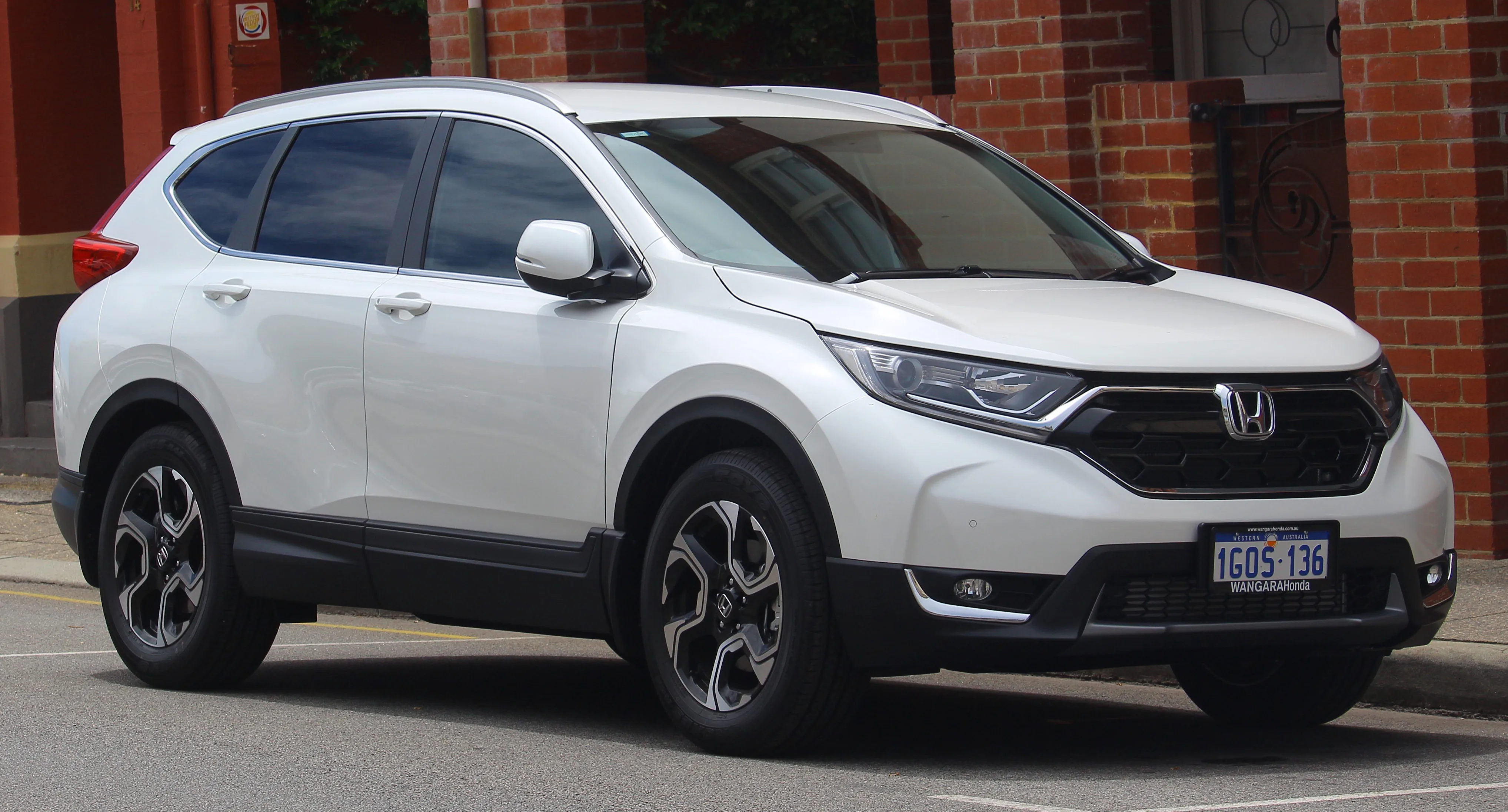
The 2020 CR-V is a practical compact SUV, but it still has a repeat ownership pattern: brake refinement complaints, front-end clunks, short-trip battery weakness, and tire or road-hum confusion. Keeping those issues together helps the first check stay narrow instead of turning into a broad parts hunt.
Editorial review
A first-check path for 2020 CR-V brake noise, front-end clunks, battery behavior, and road-noise complaints.
At a glance
Ownership pattern
4
Core checks
Brake refinement and front-end noise are the two areas that most quickly make a good CR-V feel older than it is.
These are the repeat CR-V themes that deserve a narrow first check before the repair story grows.
1. Front-end clunks
Sway bar links, bushings, and visible front-end wear should be ruled out before the diagnosis moves toward larger suspension work.
2. Brake refinement
The first brake question is whether the CR-V stops normally but sounds cheap. If yes, treat it like a refinement issue first.
3. Battery behavior
A CR-V used for short errands can look like it has a bigger electrical issue when the first check should still be battery health and usage pattern.
4. Road hum
Rotate, inspect, and isolate tire noise before assuming a hub or bearing is the source of every speed-linked hum.
Follow this order before spending money on a 2020 CR-V complaint.
Open these once you know which CR-V complaint bucket you are actually in.
Generation
Use the generation view when you want the broader CR-V context before opening a narrow repair page.
Car
The model-year overview connects the car checks to the matching problem and best-parts guides.
Parts path
The better next click when the problem is brake refinement, not a vague safety concern.
These are the pages that matter most once the CR-V symptom is narrowed.
Problem guide
Best when the noise is most obvious over small bumps, driveway entries, or rough neighborhood roads.
Problem guide
Start here when the complaint is low-speed squeal or light brake noise rather than weak braking.
Problem guide
Useful when the CR-V sits, runs short errands, then starts acting weak or inconsistent.
Problem guide
The right next read when tire noise and wheel-end hum start getting mixed together.
These are the parts guides worth opening after the diagnosis points at the right repair area.
Yes. The useful caveat is that normal wear items still shape the ownership feel, especially brakes, front-end links, tires, and battery reserve.
Start with the exact symptom. Front-end clunks point toward links and visible suspension wear, brake squeal points toward pads and hardware, and road hum should be separated from tire noise before assuming a wheel bearing.
Usually no, as long as small brake, tire, battery, and suspension complaints are handled before several wear items stack up at once.