
Brakes
Low-speed squeal and hardware condition
Brake noise should be checked with the pads, rotors, clips, and slide hardware. Replacing pads alone can leave the same noise if the hardware was the real weak spot.
No matching results found.
Kreativ Auto
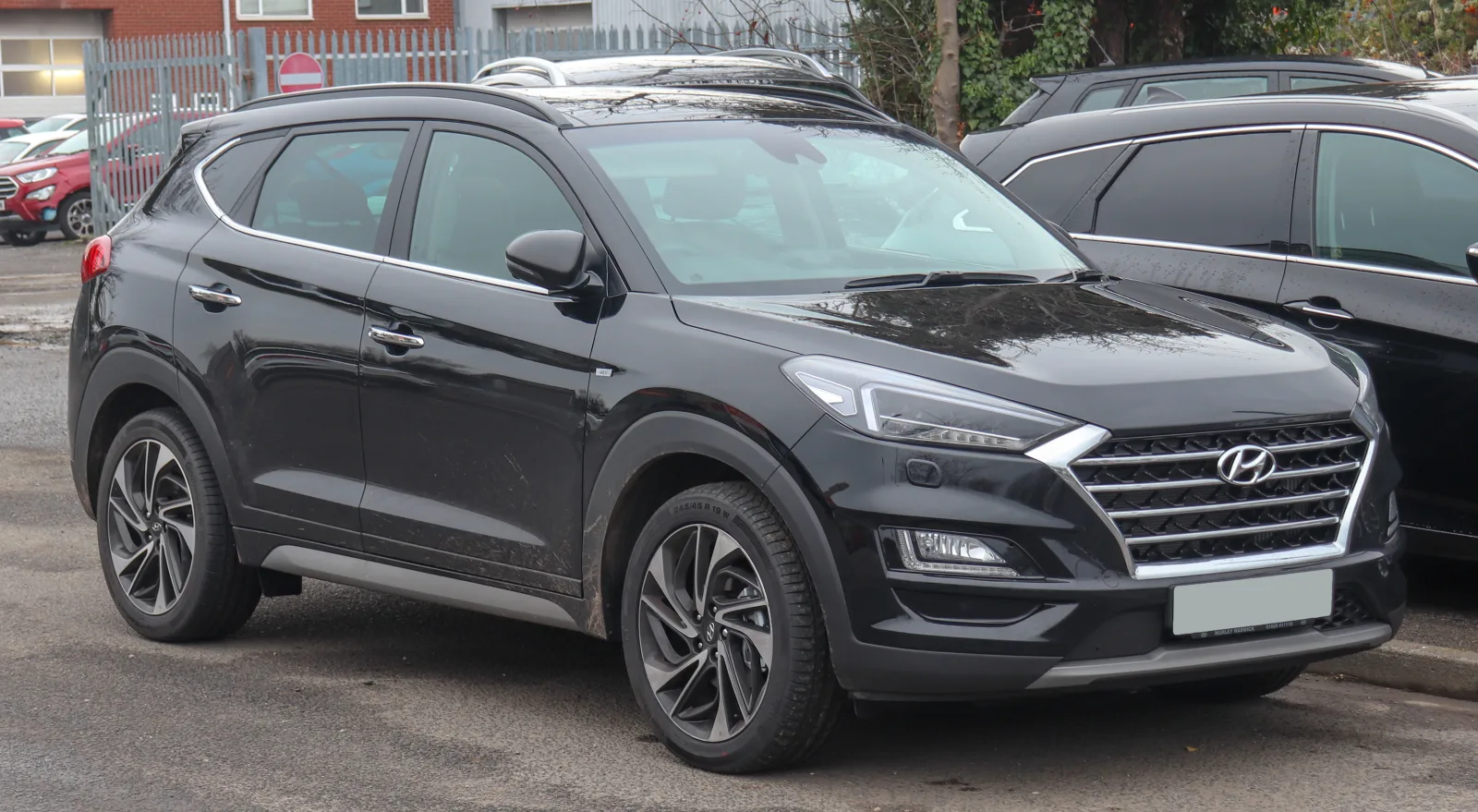
The 2020 Tucson is usually a simple compact SUV to keep in service, but the first costs still follow a pattern. Brake noise, a weak battery, tire wear, and routine service discipline decide whether it feels cheap to own or neglected.
Editorial review
Maintenance guidance for the 2020 Hyundai Tucson, focused on the ordinary weak points that shape ownership cost first.
Use these points before the detailed checklist.
The Tucson budget is usually shaped by everyday wear rather than dramatic failures.
Brakes
Brake noise should be checked with the pads, rotors, clips, and slide hardware. Replacing pads alone can leave the same noise if the hardware was the real weak spot.
Battery
A Tucson that sits or only makes short errands can expose a tired battery early. Testing reserve is cheaper than guessing at a larger electrical issue.
Tires
Uneven wear, old tires, or cheap replacements can make the SUV feel rough before any suspension repair is needed.
Routine service
Fluid service, filters, inspections, and timely wear-item replacement matter because the Tucson's strength is low-drama ownership, not neglect tolerance.
These are the areas to keep in the maintenance budget before they stack together.
A simple sequence keeps the diagnosis from becoming wider than the symptom.
Tucson costs usually rise when ordinary checks are skipped.
The Tucson stays appealing when the basics are visible and current.
A good 2020 Tucson does not need a dramatic maintenance story. It should start cleanly, stop quietly enough for normal use, ride on decent tires, and have records that make the mileage believable.
If the SUV already has brake noise, weak starts, and tire wear, it can still be fixable, but the price should reflect those ordinary costs before they are treated like surprises.
Open these when one symptom is clearly driving the buying or maintenance decision.
Use these after the diagnosis is narrow enough to choose parts with confidence.
Usually no. Costs are most often shaped by brake service, battery replacement, tire condition, and routine maintenance discipline.
Start with battery health, terminal condition, and charging basics before assuming a larger electrical problem.
Pad material, rotor surface, brake hardware, dust, or incomplete brake service can all contribute, so the hardware should be inspected with the pads.