
Weak starts
Battery complaints with no test result
A failing battery can be simple. Repeated no-start behavior without testing is the part that should change confidence.
No matching results found.
Kreativ Auto
A 2021 Rogue should still feel modern, stable, and easy to explain. The examples to avoid are the ones with weak-start behavior, front brake noise, tire hum, or missing records that are treated as minor because the SUV is newer.
Editorial review
A buyer-focused guide to the 2021 Rogue examples where early wear or vague maintenance should change the price.
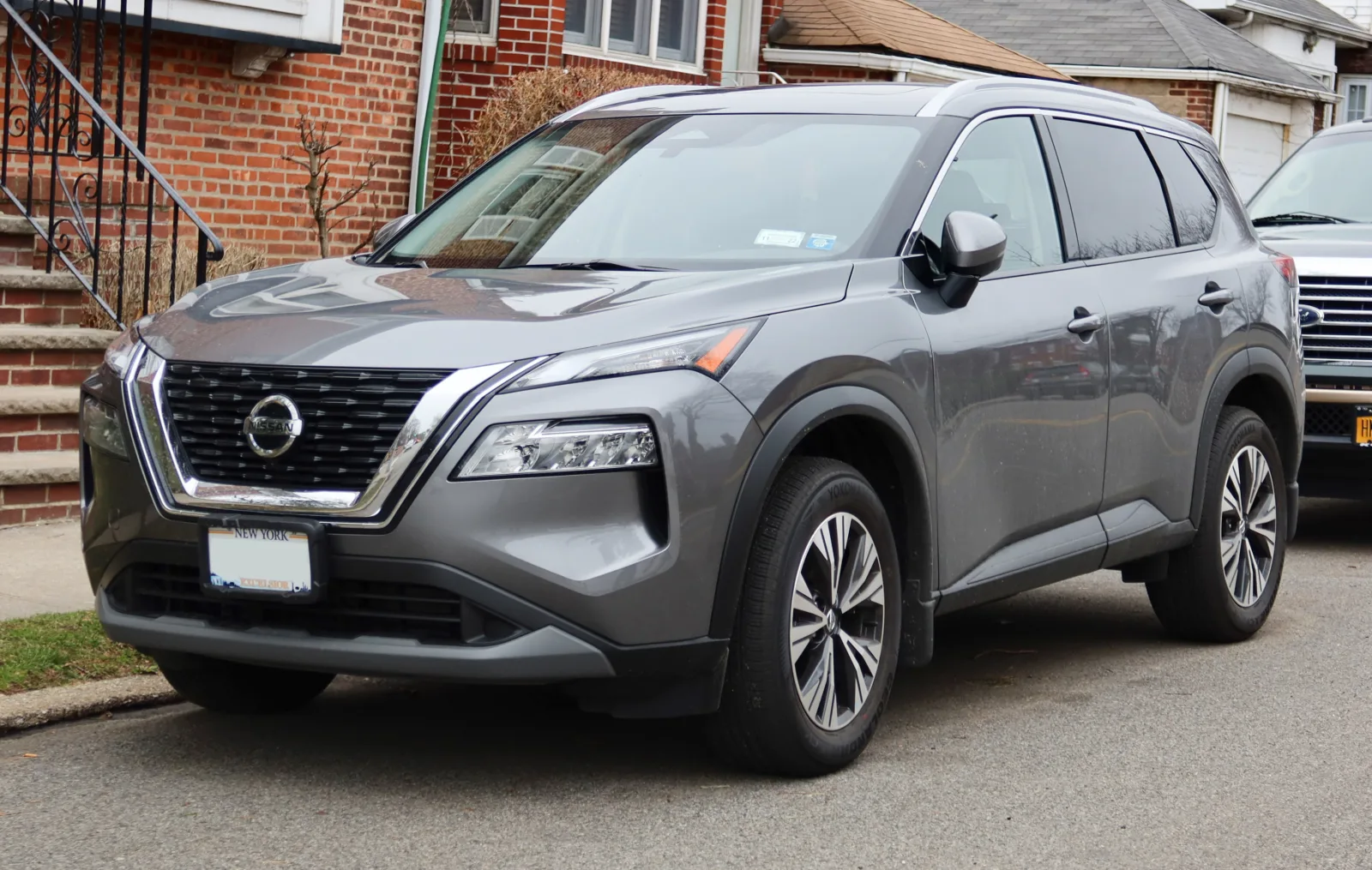
Use these points before the detailed checklist.
These patterns make the Rogue feel older than it should.
Weak starts
A failing battery can be simple. Repeated no-start behavior without testing is the part that should change confidence.
Front brakes
Noise during normal stops should lead to a brake inspection, even when the SUV is newer and otherwise clean.
Tire story
Road noise on a newer Rogue should send the inspection toward tire age, rotation, pressure, and wear before bigger repairs are assumed.
Value
Low mileage does not replace maintenance records. The price should reflect whether the basics can be proven.
The more basic issues appear together, the less useful the newer model year becomes.
A narrow problem can be acceptable when it is easy to test and price.
Check the Rogue like a newer vehicle that still needs evidence.
The best Rogue examples make the condition easy to trust.
A strong 2021 Rogue should not require a long explanation for weak starts, noisy brakes, or tire hum. Those issues can be manageable, but they should be tested and priced before purchase.
When the basics are vague, the newer model year stops carrying the deal. A better example with cleaner records is usually worth waiting for.
Open these when one symptom is clearly driving the buying or maintenance decision.
Use these after the diagnosis is narrow enough to choose parts with confidence.
Avoid repeated weak starts, unresolved front brake noise, poor tire history, and missing maintenance records.
No. Low mileage helps, but brake noise still needs a pad, rotor, and hardware inspection.
Not by itself. It becomes a concern when no testing has been done or there are broader electrical warning signs.