
Tires
Four matched tires matter
Brand, size, tread depth, and wear pattern should be consistent across all four corners. Tire shortcuts create noise and reduce confidence in every next diagnosis.
No matching results found.
Kreativ Auto
The 2020 Forester's maintenance budget depends heavily on simple AWD discipline. Matched tires, road-speed noise checks, battery reserve, and honest service records do more to control cost than broad reliability labels.
Editorial review
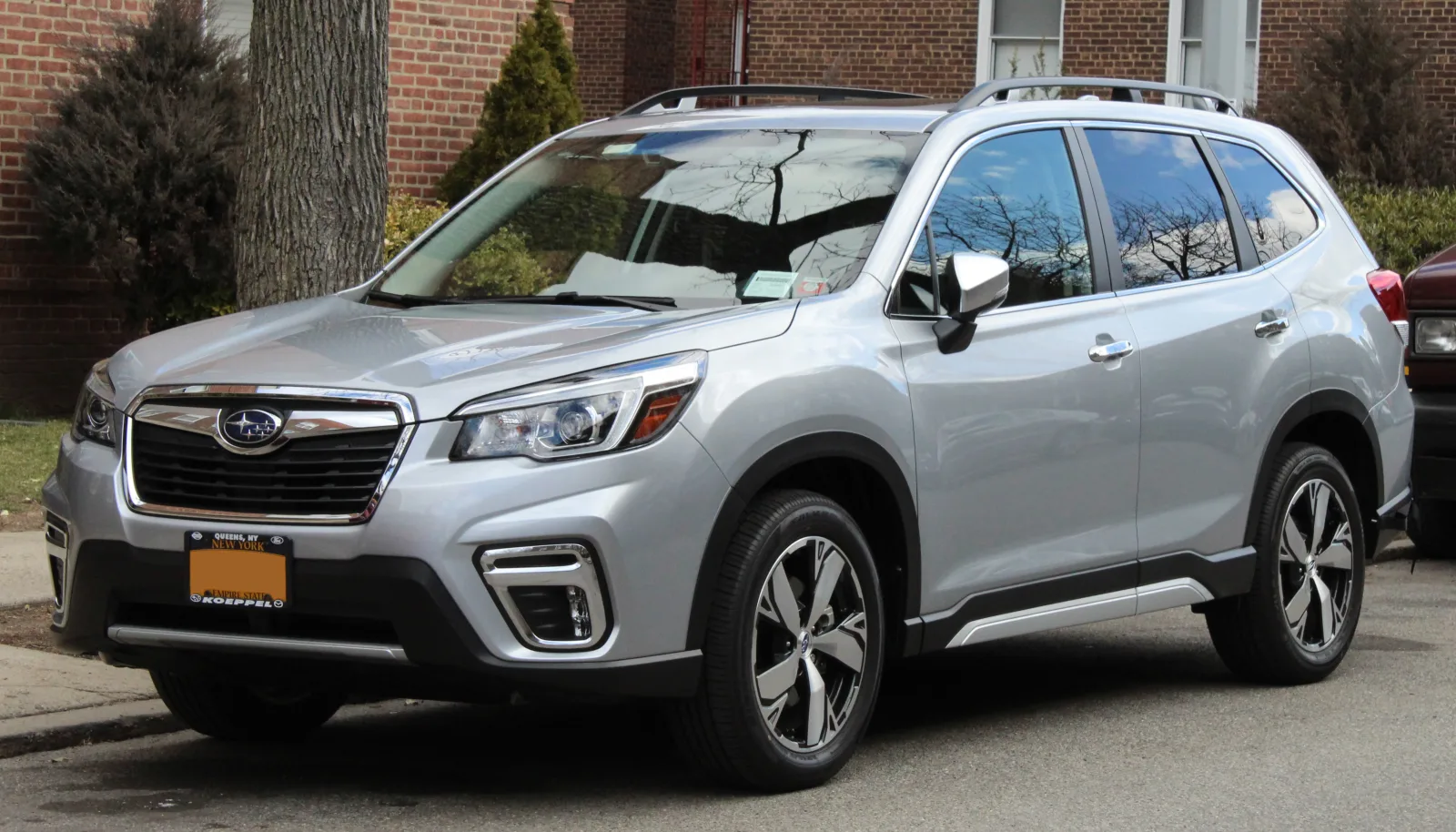
Maintenance guidance for the 2020 Subaru Forester, focused on AWD-sensitive tires, wheel-end checks, and everyday ownership costs.
Use these points before the detailed checklist.
The Forester budget is easiest to control when AWD basics are not skipped.
Tires
Brand, size, tread depth, and wear pattern should be consistent across all four corners. Tire shortcuts create noise and reduce confidence in every next diagnosis.
Wheel end
A wheel bearing can cause speed-linked hum, but tire wear and rotation history should be checked first so the repair path is not guessed.
Battery
Foresters that sit outside or make short errands can expose weak battery reserve before other electrical issues exist.
Routine service
Fluid service, tire rotations, brake checks, and inspections are more important than accessory condition when judging long-term cost.
These are the checks that keep a Forester from becoming noisy or uncertain.
A Forester rewards a methodical inspection more than a broad parts list.
Most avoidable Forester costs start with tire and noise shortcuts.
The Forester should be judged by how well the AWD basics have been respected.
A strong 2020 Forester has four sensible tires, no unexplained speed-linked hum, clean starts, and records that show ordinary maintenance. That condition is what keeps the ownership budget predictable.
If tires are mismatched, hum is present, and the battery is weak, the car may still be repairable, but it should be priced like a vehicle with immediate needs.
Open these when one symptom is clearly driving the buying or maintenance decision.
Use these after the diagnosis is narrow enough to choose parts with confidence.
Tires, wheel-bearing diagnosis, battery replacement, brake service, and routine maintenance are the common early budget areas.
Consistent tire size, type, and wear help the AWD system behave predictably and make road-noise diagnosis cleaner.
No. Tire wear, tire type, and rotation history should be checked before a wheel bearing is blamed.