
Highway test
A shake that appears only at speed
Speed-linked vibration can be simple, but the price should account for tires, balance, wheels, and diagnosis before bigger parts are considered.
No matching results found.
Kreativ Auto
The weak Toyota Camry 2020 examples are usually the ones where normal wear has become vague. Walk in with a plan for brake squeal, highway vibration, service records, and tire condition before trusting the asking price.
Editorial review
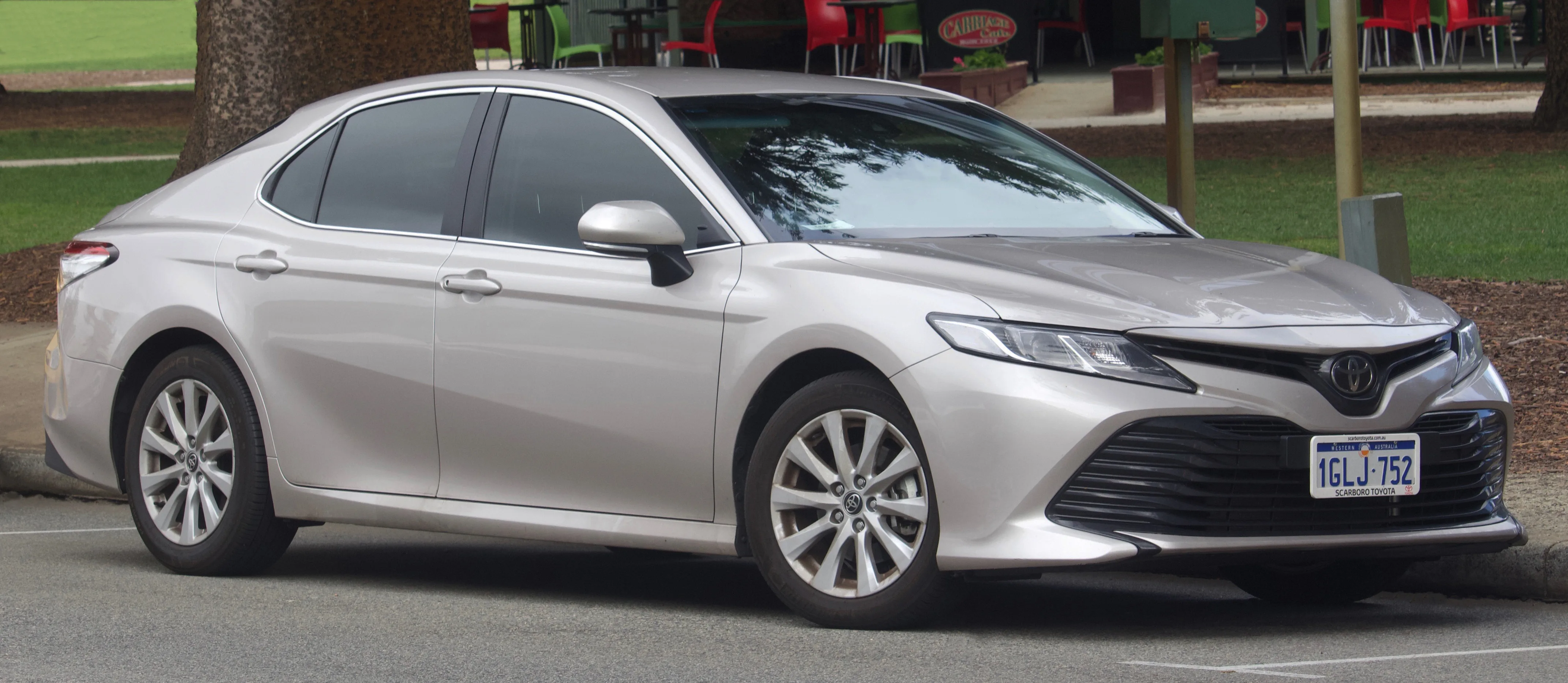
A buyer-focused Toyota Camry 2020 checklist for separating normal wear from examples that deserve a discount or a pass.
Use these points before the detailed checklist.
These patterns turn a normal used midsize sedan into a risky first month.
Highway test
Speed-linked vibration can be simple, but the price should account for tires, balance, wheels, and diagnosis before bigger parts are considered.
Brake noise
Recent pads are not proof of a solved brake issue if hardware, rotor surface, and caliper movement were never documented.
Maintenance gaps
A Camry can be dependable and still need catch-up service. Missing fluid, tire, and tune-up records should affect the price.
Road noise
Tire roar, hum, and vibration make the car feel older quickly. The source should be narrow enough to price.
These details should change the offer before the inspection continues.
Start with the items that are easiest to verify, then move toward the symptoms that need pricing.
A Camry with one clear issue can still make sense at the right price.
The right Camry should not need a long explanation.
A good Toyota Camry 2020 has wear that lines up with mileage, records that explain the work already done, and a test drive that does not create more questions than answers.
A pass makes sense when brake squeal, highway vibration, tire condition, and records all point in different directions. That is usually a sign that the first repair month will be harder to control than the listing suggests.
Open these when one symptom is clearly driving the buying or maintenance decision.
Use these after the diagnosis is narrow enough to choose parts with confidence.
Avoid unresolved brake squeal, unresolved highway vibration, missing service records, poor tire history, and any repair explanation too vague to price.
Yes, if the issue is narrow, the estimate is realistic, and the price reflects it. The risk climbs when several small problems appear at once.
Listen for the symptom that appears first, then confirm whether it matches the records and the parts likely to be needed. A clean answer is more valuable than a perfect-looking listing.