Kreativ Auto

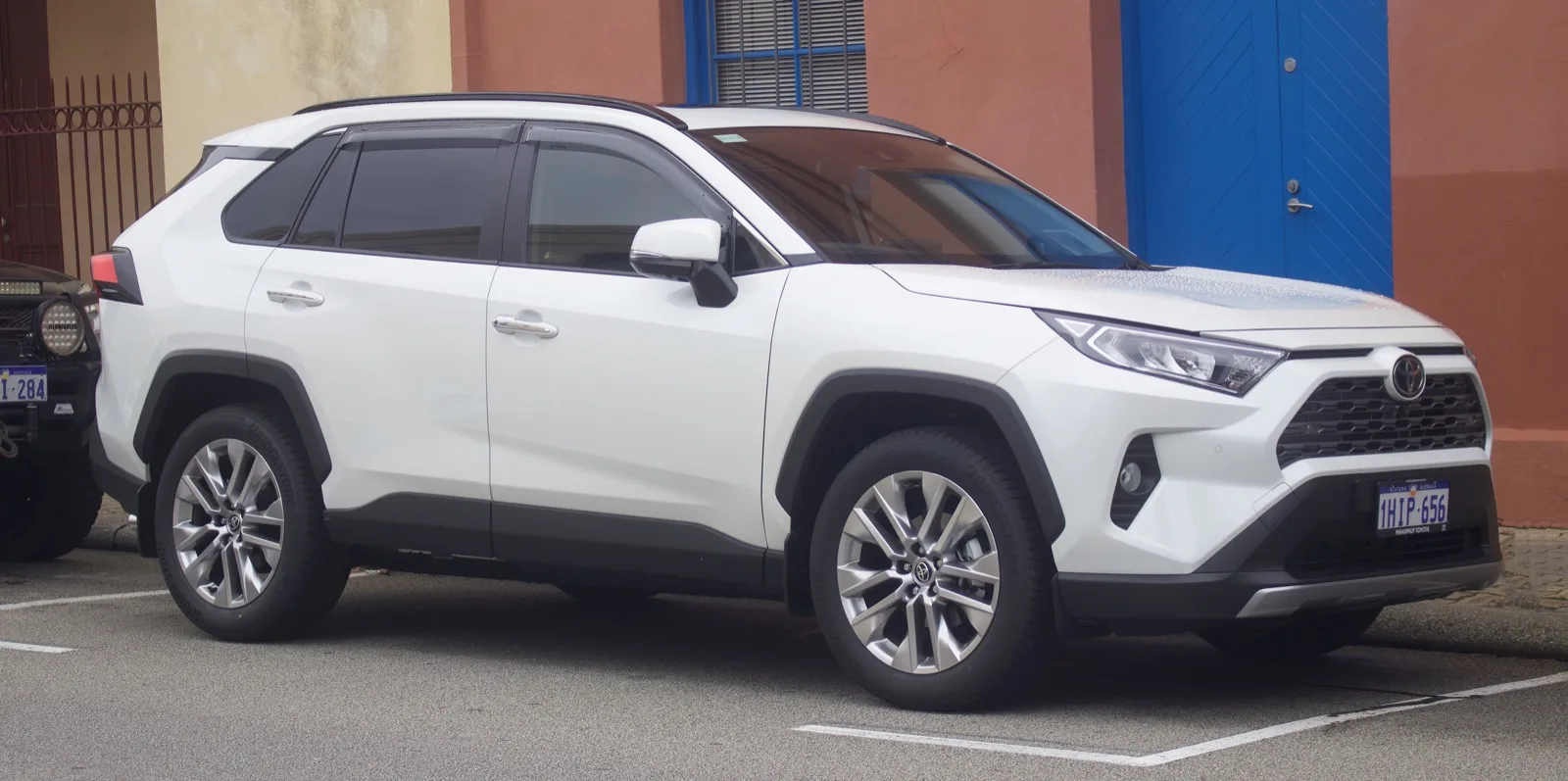
Toyota RAV4 XA50 what to check before buying

An XA50 RAV4 can still be one of the easier used crossovers to buy, but only if the inspection stays disciplined. The useful checks are battery condition, brake refinement, suspension noise, tire and highway-feel issues, and whether hybrid-versus-gas advice is being mixed together lazily. This guide is here to keep the viewing practical.

Editorial review

This guide is written as a buyer-focused checklist for the XA50 RAV4, concentrating on the weak points and viewing checks that matter most.

By Kreativ Auto Editorial Team Reviewed Apr 11, 2026
Buying guideGeneration-specificInspection-focused
Toyota RAV4 XA50 what to check before buying

The short version

If you only need the fast read, these are the checks that matter most.

  • Check battery behavior, especially on cars used for short trips or sitting for longer periods.
  • Listen for front or rear suspension clunks and do not let “they all do that” end the conversation too early.
  • Pay attention to brake refinement and highway feel. Those are the two places where a good RAV4 starts feeling worse than it should.

What to inspect first

These checks are worth doing before the viewing turns into generic Toyota small talk.

  • Cold-start or parked-use battery behavior, not just whether the car starts once on the seller’s timetable.
  • Brake refinement after the car has seen some moisture or lower-speed use, not only one hard stop.
  • Front-end and rear-end noise over driveway entries, small bumps, and rough pavement.
  • Tire condition, matching set quality, and highway stability at real road speed.
  • Whether the seller is mixing hybrid and gas maintenance logic like it all transfers one-to-one.

What should lower confidence quickly

These are the things that should change the price or make you move on.

  • A battery story that keeps getting explained away without a clear test result or replacement history.
  • A front or rear clunk that is already obvious on a short drive plus a vague explanation instead of a recent repair record.
  • Highway vibration or steering shake that the seller tries to frame as “just road feel.”
  • Brake noise plus poor recent brake work or mismatched pad choices that suggest the car has been repaired cheaply.

What should not scare you too fast

These issues deserve a discount or a repair plan, but not instant panic if the rest of the car is strong.

  • A battery nearing replacement age on a short-trip family crossover.
  • Moderate brake squeak where the rest of the system still feels healthy.
  • Smaller sway-bar-link or wear-item noises that still live in the ordinary maintenance tier.

Problem guides linked from this page

Open these if the viewing or test drive already points at a repeat complaint.

Best-parts guides linked from this page

Use these when the car is still worth buying but the weak point needs a realistic repair plan.

Comparison guides linked from this page

Use these when the buying advice changes with the powertrain.