GSP CV Axle Assembly
Budget-friendly axle assembly for addressing turning-click complaints on daily drivers.
$119
View productKreativ Auto
Use this guide to figure out what the symptom usually means, how urgent it is, and what to check before buying parts or booking the repair.
Editorial review
These problem guides are written to help drivers identify the most likely cause, make a sensible first check, and avoid wasting money on the wrong repair.
This is the short version if you want to decide how serious the problem is before digging deeper.
Repair urgency
Medium because a worn joint usually gets worse, not better
Can you drive it?
Usually yes for a short period, but it should be repaired soon once the clicking is consistent
Estimated cost
$25 to $450 depending on whether the issue is only hardware, a torn boot, or a full axle replacement
DIY difficulty
Moderate for inspection, moderate to hard for axle replacement depending on tools and rust
Use this section if you want the shortest path from symptom to the first sensible check.
Quick verdict
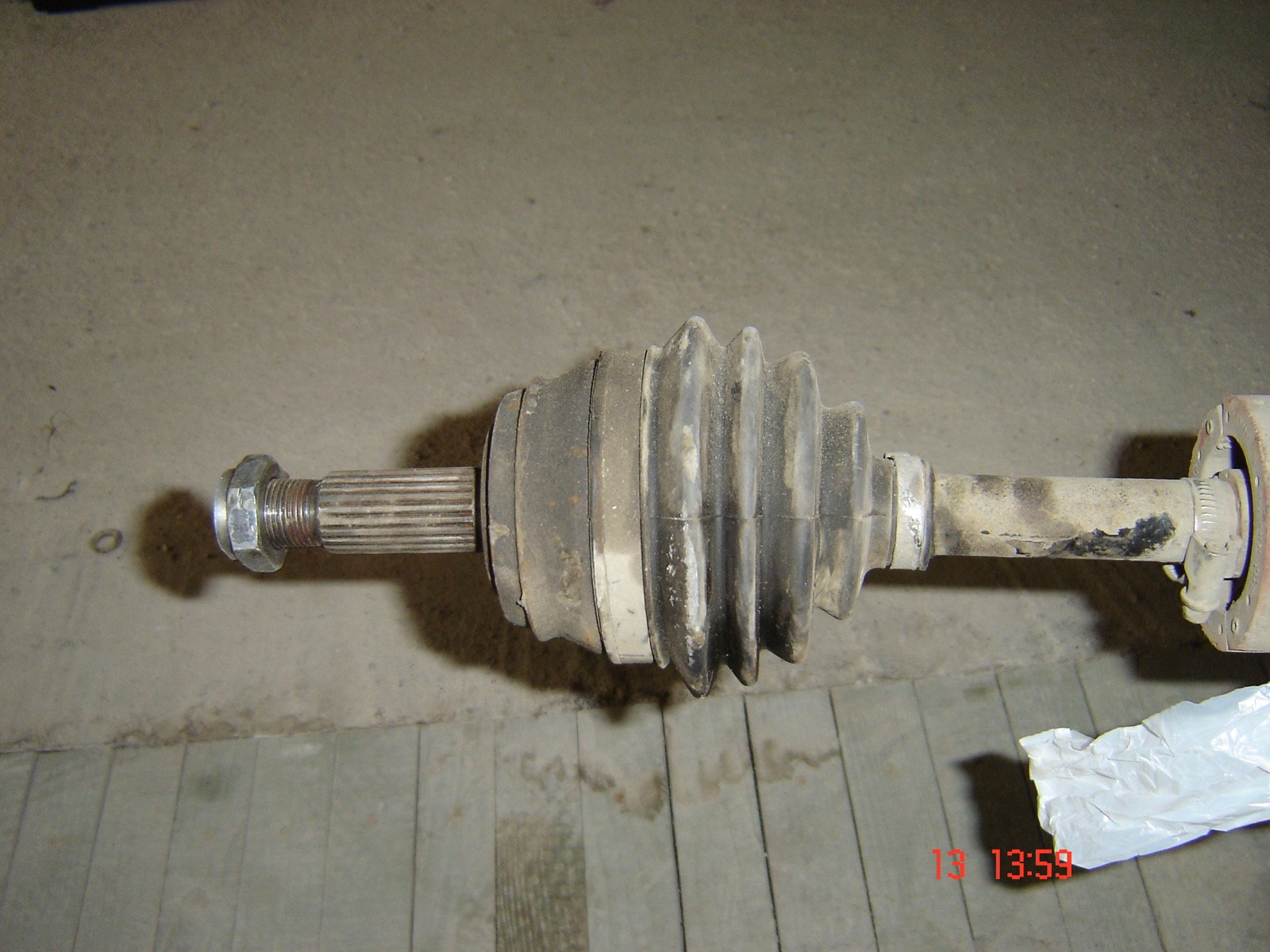
A turning click is still most often a CV-joint problem, but it is worth confirming the side and the boot damage before ordering an axle blindly.
First thing to check
Inspect both front CV boots and confirm which side clicks under load before you buy parts.
Often confused with
Stop driving if
These are the signs drivers usually notice before the real cause is confirmed.
Start with the common causes first so diagnosis stays efficient and the wrong parts do not get ordered too early.
Work through these in order so you can confirm the problem before spending money on parts.
These are the signs that the problem is moving past a basic driveway diagnosis.
These are the errors that usually waste time, money, or both.
These are the parts most likely to matter once the diagnosis is pointing in the right direction.
Budget-friendly axle assembly for addressing turning-click complaints on daily drivers.
$119
View product Useful hardware set when servicing boots or supporting an axle replacement job.
$18
View productThese vehicle pages give you more context if the same symptom shows up on a specific model.
If you already know the likely repair area, these guides can help you compare the next parts to look at.
Most of the time it points to an outer CV joint, but inspection still matters because loose hardware or suspension wear can mimic the sound.
Short-term driving is often possible, but the joint can worsen quickly once grease is lost, so it should be repaired soon.