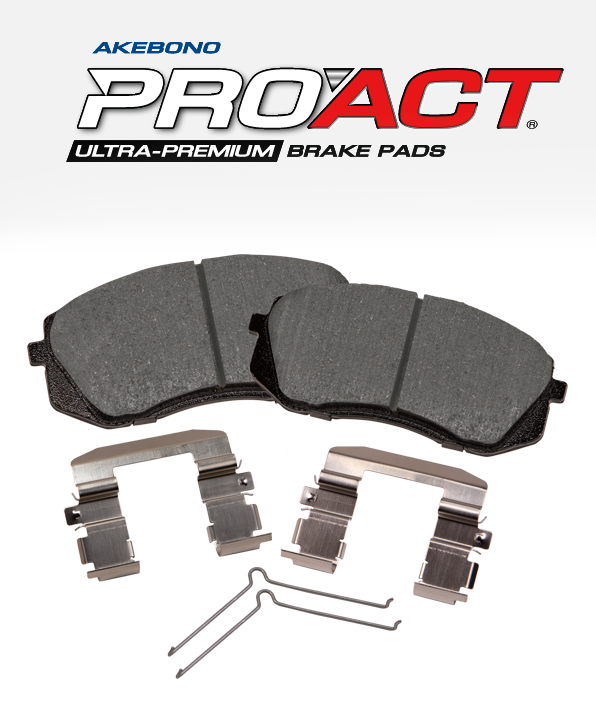
Akebono ProACT Ceramic Rear Brake Pads
A quieter ceramic pad option that suits daily-driven Civic use where clean operation matters more than aggressive bite.
$66
View productKreativ Auto
Use this guide to figure out what the symptom usually means, how urgent it is, and what to check before buying parts or booking the repair.
Editorial review
These problem guides are written to help drivers identify the most likely cause, make a sensible first check, and avoid wasting money on the wrong repair.
This is the short version if you want to decide how serious the problem is before digging deeper.
Repair urgency
Low because this is usually a nuisance issue first, but consistent brake noise should still be checked properly
Can you drive it?
Yes, if braking feel is normal, but repeated noise should be used as a reason to inspect the rear pads and hardware before wear gets uneven
Estimated cost
$0 to $260 depending on whether the fix is simple service, hardware, or rear pad replacement
DIY difficulty
Easy to Moderate if you already know how to inspect and service brake hardware safely
Use this section if you want the shortest path from symptom to the first sensible check.
Quick verdict
If the rear brakes only squeak on damp mornings and braking still feels normal, the setup usually needs better pad and hardware behavior, not panic.
First thing to check
Inspect rear hardware and pad condition before assuming the rear brakes need a full overhaul.
Often confused with
Stop driving if
These are the signs drivers usually notice before the real cause is confirmed.
Start with the common causes first so diagnosis stays efficient and the wrong parts do not get ordered too early.
Work through these in order so you can confirm the problem before spending money on parts.
These are the signs that the problem is moving past a basic driveway diagnosis.
These are the errors that usually waste time, money, or both.
Before you order parts or assume the diagnosis is universal, check the trim, phase, and powertrain notes below.
These are the parts most likely to matter once the diagnosis is pointing in the right direction.
A quieter ceramic pad option that suits daily-driven Civic use where clean operation matters more than aggressive bite.
$66
View productThese vehicle pages give you more context if the same symptom shows up on a specific model.
If you already know the likely repair area, these guides can help you compare the next parts to look at.
A brief squeak can be normal from light rust or damp pad contact, but repeat noise usually means pad compound or hardware condition is part of the story.
Not always. If braking feel is normal, the rear pads may just need inspection and better hardware control rather than immediate replacement.