KA Kreativ Auto Automotive guides, diagnostics, and affiliate picks

Kreativ Auto

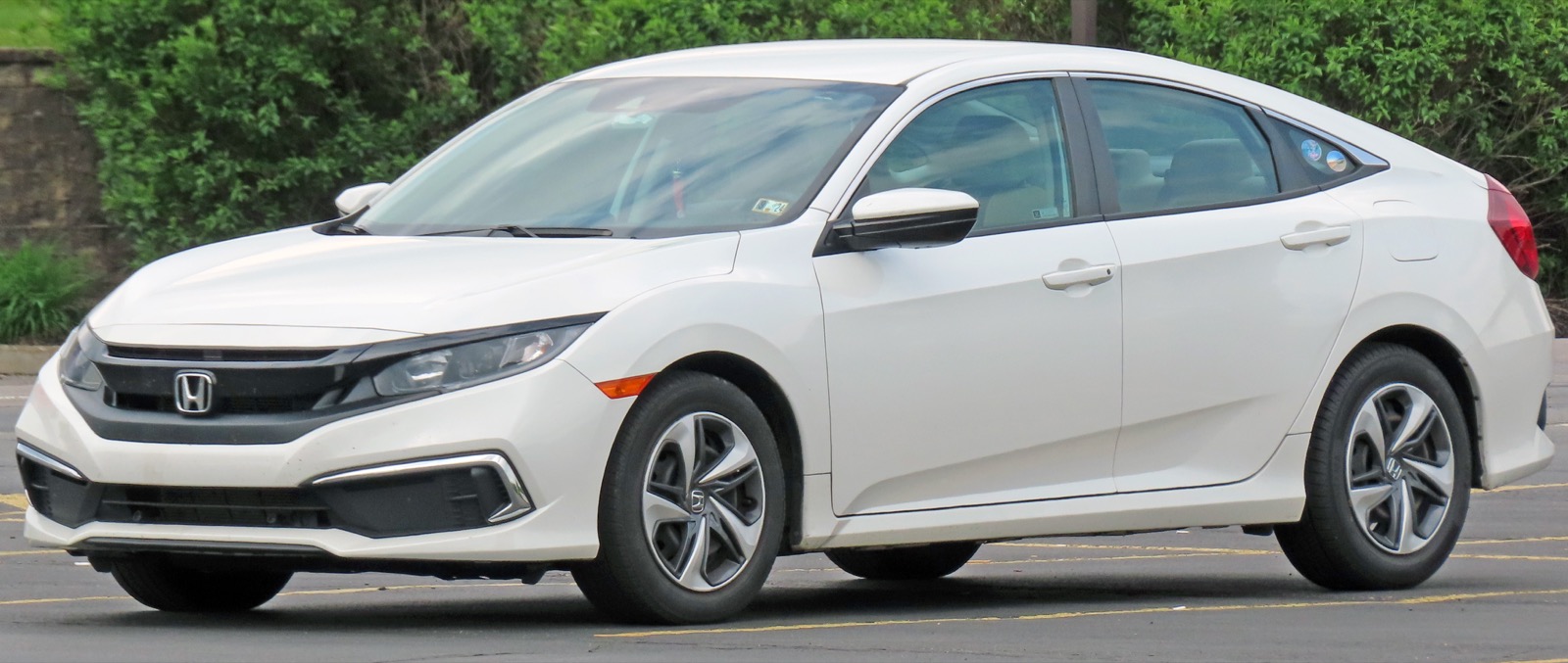
Honda Civic 1.5T vs 2.0

The Civic 1.5T and 2.0 are close enough that people often shop or maintain them as if they were the same car. They are not. The chassis overlap is real, but the ownership pattern, drivability complaints, and the parts mistakes people make are different enough that it is worth separating them cleanly.

Editorial review

This comparison is written to separate the ownership differences that actually change fitment, diagnosis, and buying decisions from the ones people overstate.

By Kreativ Auto Editorial Team Reviewed Apr 4, 2026
Comparison guidePowertrain context checkedRelated pages reviewed
Honda Civic 1.5T vs 2.0

The short version

If you only need the fast answer, this is the cleanest way to think about the 1.5T and 2.0.

Civic 1.5T

Better if you want easier torque and stronger highway pace

  • Feels lighter on its feet when merging or climbing without needing as much revs.
  • Usually the better fit if the car spends more time on faster roads than crawling in town.
  • Needs a little more discipline around engine-specific maintenance and diagnosis.

Civic 2.0

Better if you want the simpler long-term ownership path

  • Feels more straightforward to own if your priority is fewer engine-related variables.
  • Usually easier to explain, maintain, and shop parts for when the car ages.
  • Can feel flatter at low revs, but that tradeoff is acceptable for a lot of commuter use.

What actually changes between them

This is where owners waste time if they assume the two powertrains behave the same in daily use.

Drivability and feel

  • The 1.5T usually feels stronger in normal traffic because it makes torque earlier and does not need to be worked as hard.
  • The 2.0 feels more linear and simpler, but also less eager once the car is loaded or asked to pass at speed.
  • If your expectation is calm, predictable commuter behavior, the 2.0 often makes more sense than the internet gives it credit for.

Ownership and diagnosis

  • The 1.5T tends to create more overthinking around hesitation, plugs, coils, intake, and turbo-related drivability complaints.
  • The 2.0 usually pushes the ownership conversation back toward simpler maintenance and ordinary Civic wear items.
  • Both still share the same Civic X patterns around brakes, battery behavior, front-end noise, and A/C complaints.

When the advice does not transfer cleanly

This is the part that matters most for readers trying to avoid the wrong repair or the wrong parts order.

  • Ignition advice overlaps, but the way owners describe hesitation and responsiveness is often different enough that the 1.5T gets misdiagnosed more easily.
  • Brake and suspension pages usually transfer across both engines because the chassis complaints are more trim-and-hardware driven than engine-driven.
  • Battery and charging complaints can show up on both, but short-trip use and accessory load matter more than which engine you picked.
  • Do not assume every engine, trim, or body style uses the exact same ignition, HVAC, or service parts just because the car is a 2019 Civic.

Who each one fits better

This is the buying shortcut for readers who are deciding which ownership pattern they would rather live with.

Choose the 1.5T if

  • You care about easier real-world torque more than maximum simplicity.
  • The car will spend meaningful time on faster roads where the extra low-end pull matters.
  • You are fine being stricter about engine-specific maintenance and fitment checks.

Choose the 2.0 if

  • You want the simpler explanation when the car ages and something small starts feeling off.
  • Your driving is mostly normal commuting where a little less torque is not a deal-breaker.
  • You would rather trade some pace for a more straightforward long-term ownership story.

Where to go next

Use these pages if the comparison makes you realize the next step is diagnosis or parts selection, not more general reading.

Start with the car hub

Honda Civic 2019 ownership guide

Use the main Civic hub if you want the year-specific overview first and then want to branch into the generation, problem, and parts pages from there.

Open Civic hub

Use the generation hub

Honda Civic FC/FK facelift 2019-2021

Use the generation page if you want the broader ownership pattern for the facelifted Civic X, not just one model year.

Open generation hub

Related problem guides

These are the next problem pages worth reading if the 1.5T vs 2.0 question turns into a real diagnosis decision.

Related best-parts guides

These are the best-parts pages that matter once the comparison points you toward the actual repair area.

FAQ

Is the Civic 1.5T better than the 2.0?

Not universally. The 1.5T usually feels stronger and easier at highway pace, but the 2.0 is simpler and often the easier long-term ownership choice if you care more about straightforward maintenance than extra torque.

Do the 1.5T and 2.0 share the same common problems?

Some overlap is real around suspension noise, brakes, and general Civic X ownership, but ignition, turbo-related drivability, and parts-shopping logic do not transfer perfectly between them.

Can I use the same parts guides for both engines?

Only sometimes. Brake and chassis advice can overlap, but engine, ignition, intake, and some maintenance parts need to be checked by exact powertrain and trim.