Kreativ Auto

2020 Toyota Highlander: Problems & Maintenance

Toyota Highlander 2020 ownership guide with common issues, recommended parts, and maintenance advice.

Last updated August 20, 2026

2020 Toyota Highlander: Problems & Maintenance

Sources and scope

Evidence and limits

Assess this Highlander through its records, tire and brake condition, 12-volt battery health, and VIN-specific recall status. General reputation is not a substitute for those checks.

Research basis

  • Toyota's 2020 Highlander manuals and warranty-and-maintenance guide for model-year maintenance, warning, and operating context.
  • NHTSA's recall lookup and the published 2020 Highlander recall record for campaign context only.
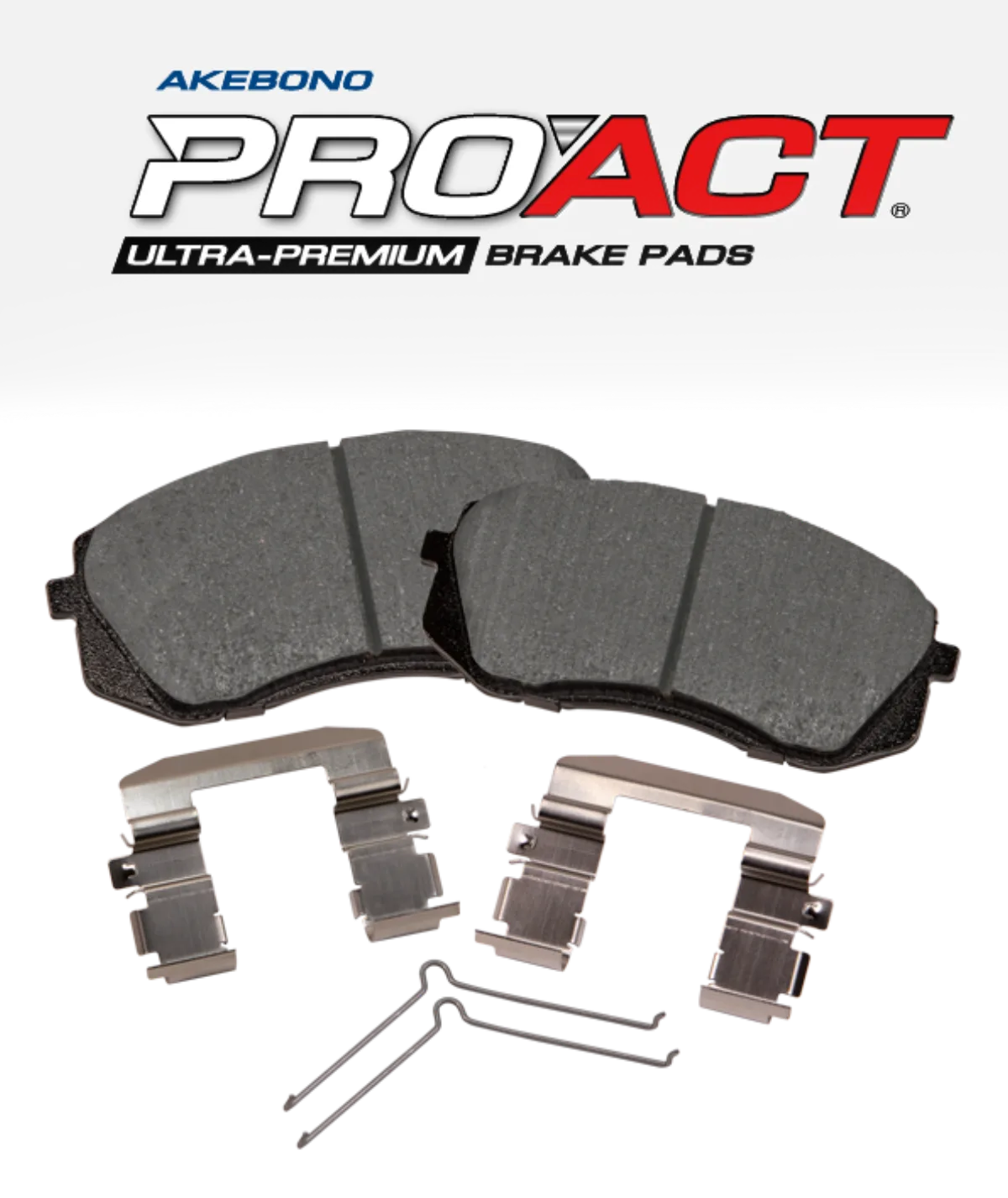
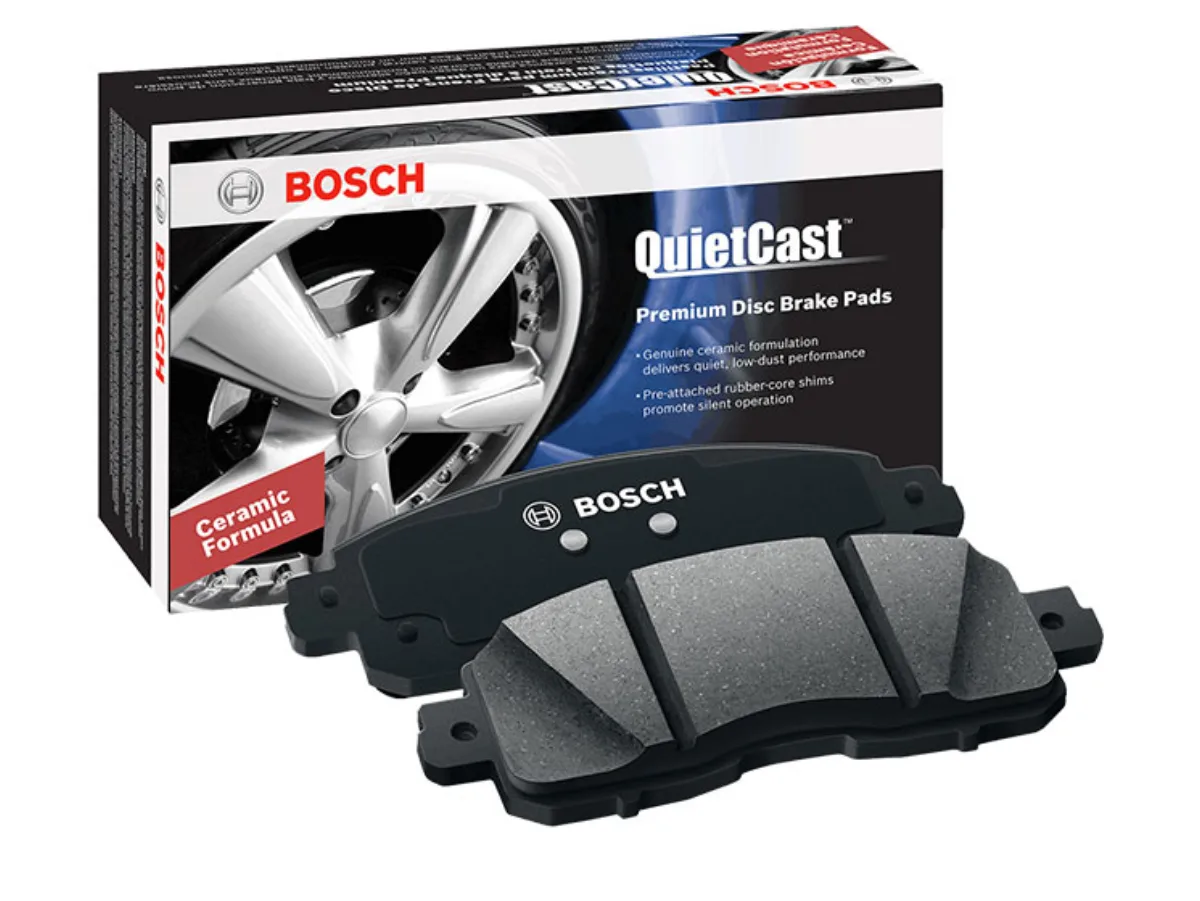
  • Manufacturer brake-pad information for material and product-selection criteria; exact vehicle fitment still requires the supplier catalog and VIN.

Applies to

  • US-market 2020 Toyota Highlander XU70 daily-driver ownership, including gas and hybrid models where a standard 12-volt battery, tire, or friction-brake concern is being assessed.
  • Used-buyer and owner checks that can be confirmed through records, inspection, and a road test before parts are ordered.

Does not cover

  • VIN-specific recall completion, warranty coverage, or dealer diagnosis.
  • Exact brake, wheel, tire, or battery fitment across every trim, drivetrain, wheel package, and market version.
  • Hybrid high-voltage system diagnosis, collision damage, flood damage, or modifications.

Decision path

Ownership decision path

Keep the symptom tied to evidence before it turns into a parts order or a broad repair theory.

1

If you see

The Highlander has brake noise at low speed but normal pedal feel and stopping performance.

Check first

Inspect pad thickness, rotor surface, pad hardware, and the exact axle and trim before assuming a caliper or a model-wide fault.

Then decide

Correct the confirmed wear or hardware issue, then confirm the replacement pad listing against the vehicle's exact configuration.
2

If you see

Brake noise arrives with grinding, vibration, pull, warning lights, a soft pedal, or a longer stopping distance.

Check first

Treat it as a safety-related brake inspection: check friction material, rotors, caliper movement, hydraulic condition, and stored warnings.

Then decide

Do not select pads from a noise-only shortlist until the braking fault has been diagnosed and repaired.

3

If you see

The SUV feels noisy or unsettled at highway speed.

Check first

Check tire age, wear pattern, pressure, balance, wheel damage, and alignment history before attributing the issue to suspension or bearings.

Then decide

Resolve tire and wheel evidence first, then escalate only if the symptom remains.

Focused vehicle overview

Start with the vehicle basics, then check the matching sections before moving into broader generation details.

Problem guides

1

Direct symptom and diagnosis pages connected to this car.

Parts guides

1

Parts comparisons that match this vehicle.

Ownership guides

0

Maintenance and fitment notes come before broader model context.

Comparison guides

0

Confirm trim, powertrain, and package differences before ordering parts.

Overview

A quick view of what owners and shoppers should know before diving into repairs or upgrades.

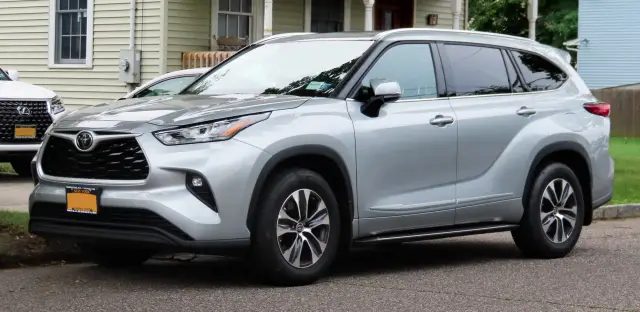
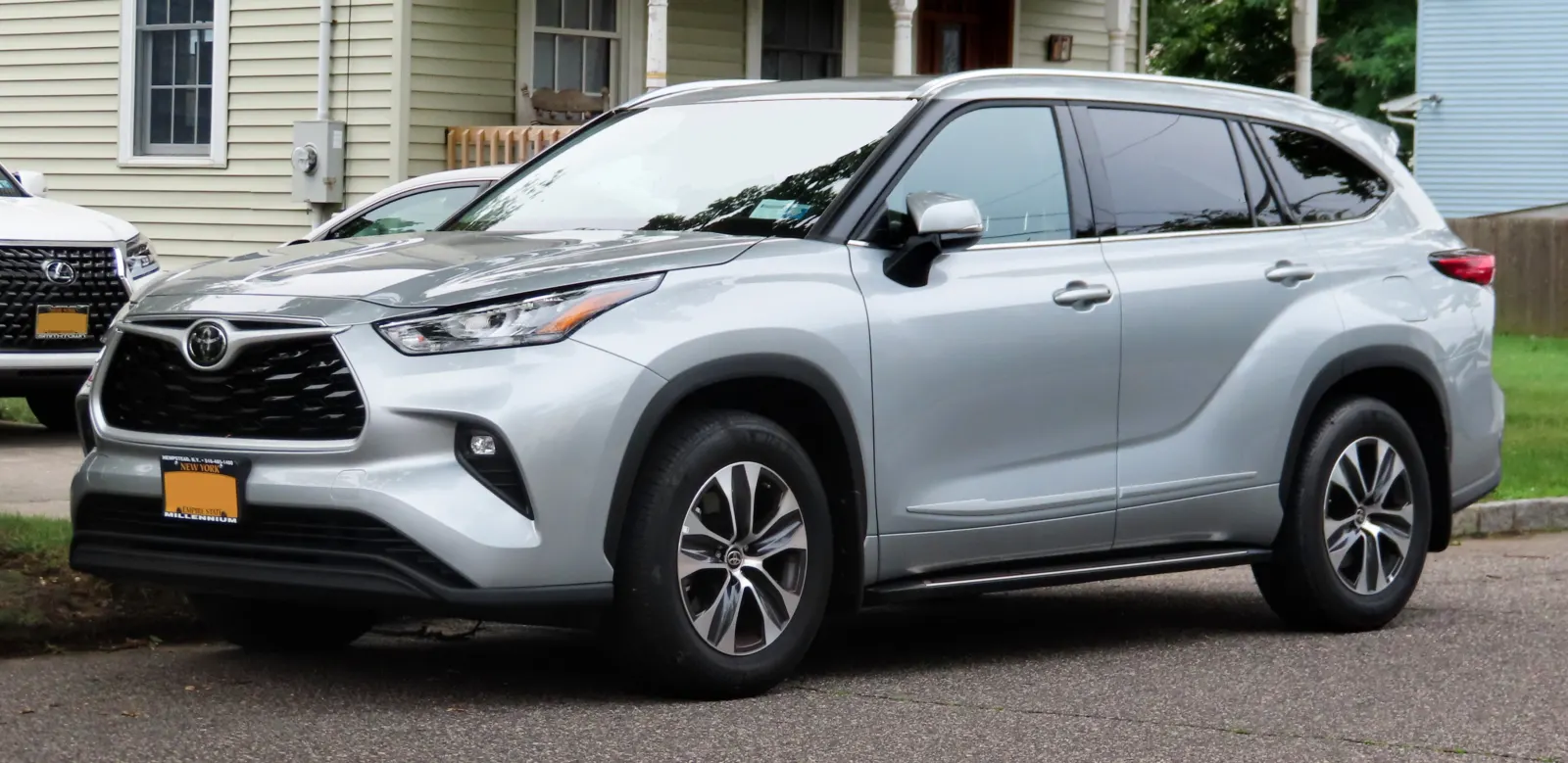
Toyota Highlander 2020

For a 2020 Toyota Highlander, start with documented Toyota maintenance, VIN-specific recall status, tire and brake condition, and a 12-volt battery test. Exact repair and parts fitment depend on the trim, drivetrain, axle, and VIN.

Brand
Toyota
Model
Highlander
Year
2020
Generation range
2020-2023

Common problems

These are the issues owners usually notice first before the repair turns into a bigger annoyance.

  • Brake noise, vibration, or a changed pedal feel that needs inspection before pads are selected
  • Highway vibration or road noise that should begin with tire, wheel, and alignment checks
  • A weak 12-volt battery after short trips or extended parking

Fitment and model notes

Use these notes to avoid applying the same advice across trims, phases, or powertrains that behave differently.

Which trims this applies to

  • Most 2020 Toyota Highlander daily-driver trims in this generation.

When this does not apply

  • Do not treat these notes as final fitment guidance for special trims, performance variants, or non-US market splits without confirming the actual hardware.

Pre-facelift vs facelift differences

  • Keep the XU70-era ownership pattern grouped while still requiring trim and package confirmation before parts are ordered.

Hybrid vs gas differences

  • The broad ownership logic still applies, but exact diagnosis and part choice can change by engine, drivetrain, and package.

Maintenance tips

These are the maintenance habits most likely to keep the common complaints from getting expensive.

  • Follow the model-year Toyota maintenance guide and retain the service record for a used-buyer review.
  • Check tire age, pressure, wear pattern, balance, and alignment history before treating highway noise as a suspension fault.
  • Test the 12-volt battery and charging system when weak starting follows short trips or extended parking.

Related problem guides

If one of the common issues below sounds familiar, these guides go deeper into what to check and what usually fixes it.

Related best parts pages

These parts guides are useful if you already know the area you are dealing with and want to compare options.

FAQ

Is the 2020 Highlander expensive to keep up?

The answer depends on maintenance records, tire and brake condition, and the exact trim. Check those before using a general ownership-cost estimate.

What should I check first on a used 2020 Highlander?

Start with the Toyota maintenance record, tire age and wear, brake condition, 12-volt battery test, open recalls, and VIN-specific fitment before pricing repairs.