
Brakes
Quiet braking depends on hardware condition
Pad material matters, but the CR-V also needs clean slide pins, healthy rotors, and hardware that is not binding. A pad-only repair can leave the same squeal in place.
No matching results found.
Kreativ Auto
Honda CR-V 2020 costs stay easier to control when normal wear is priced before it becomes a vague repair list. The first budget pass should separate front brake noise, front-end clunking, brake pads, rotors, and hardware, and front sway bar links and suspension bushings.
Editorial review
Honda CR-V 2020 maintenance guidance focused on the wear items that most often change running cost and buying confidence.
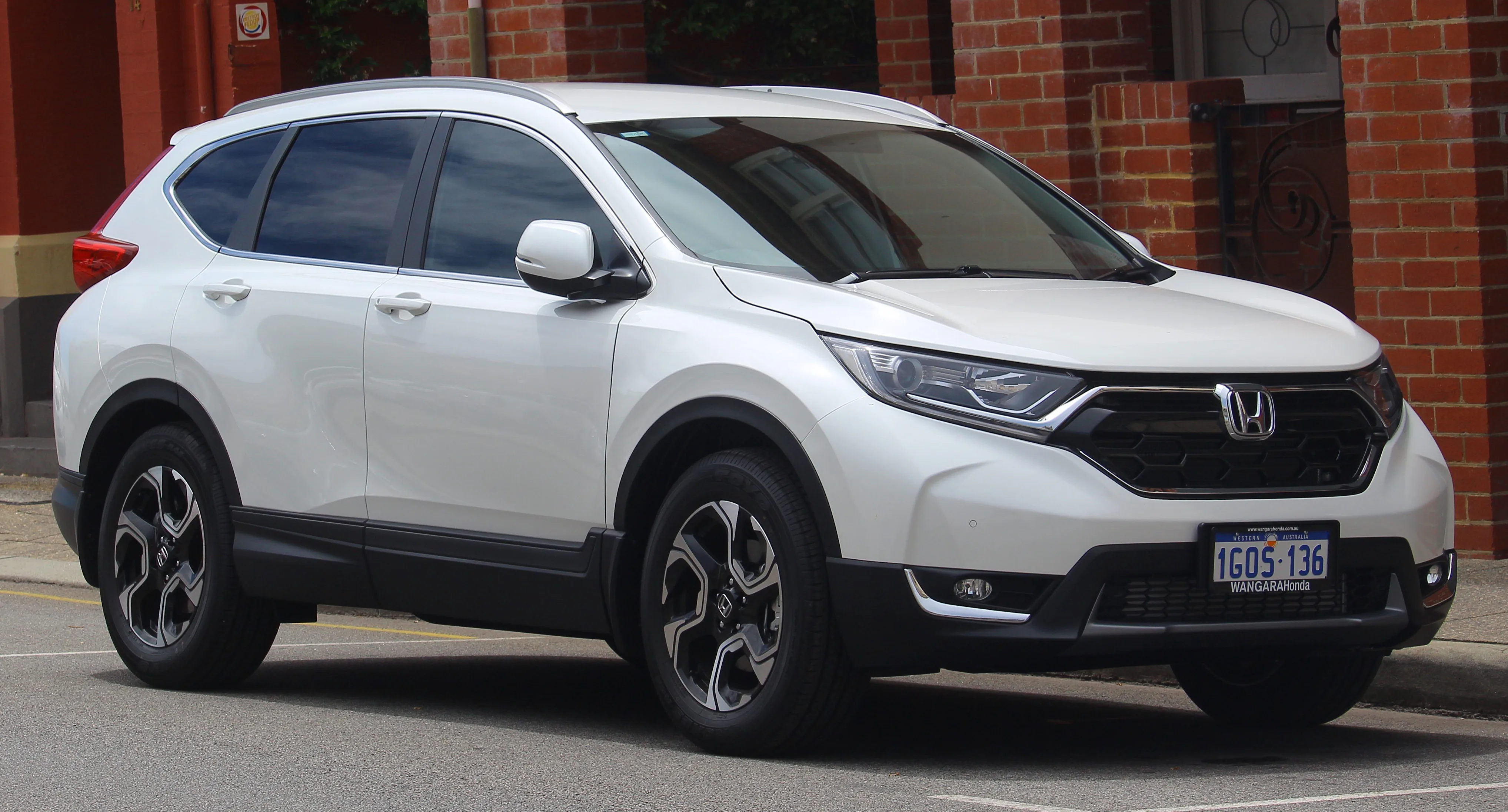
Use these points before the detailed checklist.
Most early CR-V costs come from ordinary wear that has not been separated cleanly enough.
Brakes
Pad material matters, but the CR-V also needs clean slide pins, healthy rotors, and hardware that is not binding. A pad-only repair can leave the same squeal in place.
Front suspension
Sway bar links and bushings are often the first front-end items to check when the SUV knocks over short bumps. Letting the noise continue makes the diagnosis less clear.
Tires
The CR-V can sound rougher than it is when tire rotation is delayed or one tire starts wearing differently. Tire age, pressure, and wear pattern should be checked before wheel-end parts.
Battery reserve
Repeated short trips, accessory load, and colder starts make battery condition part of the ownership budget even when the rest of the SUV feels easy.
These items are not automatic failures, but they are the checks that decide whether the CR-V stays predictable.
Work through the visible checks before accepting a broad estimate.
The expensive path usually starts when separate symptoms are treated like one large repair.
A fair CR-V budget should make the first repair month easy to predict.
Honda CR-V 2020 ownership is easiest when the first repair decision is specific. front brake noise, front-end clunking, tire condition, and service records should point toward the same story before money is spent.
The right example does not need to be perfect. It needs wear that matches the mileage, a price that respects the immediate jobs, and records strong enough to separate maintenance from neglect.
Open these when one symptom is clearly driving the buying or maintenance decision.
Use these after the diagnosis is narrow enough to choose parts with confidence.
front brake noise, front-end clunking, and catch-up service usually shape the first ownership budget before anything unusual is considered.
It does not have to be. Costs stay more predictable when brake pads, rotors, and hardware and front sway bar links and suspension bushings are checked before several small issues stack up.
Check tires, brakes, service records, starting behavior, and the exact symptom that appears on the test drive. The price should reflect any immediate brake pads, rotors, and hardware or front sway bar links and suspension bushings.