
1. Brake squeal
Low-speed noise is often a refinement issue first
Pad compound, rotor surface, hardware service, and contact points should be checked before assuming the brake system needs broad replacement.
No matching results found.
Kreativ Auto
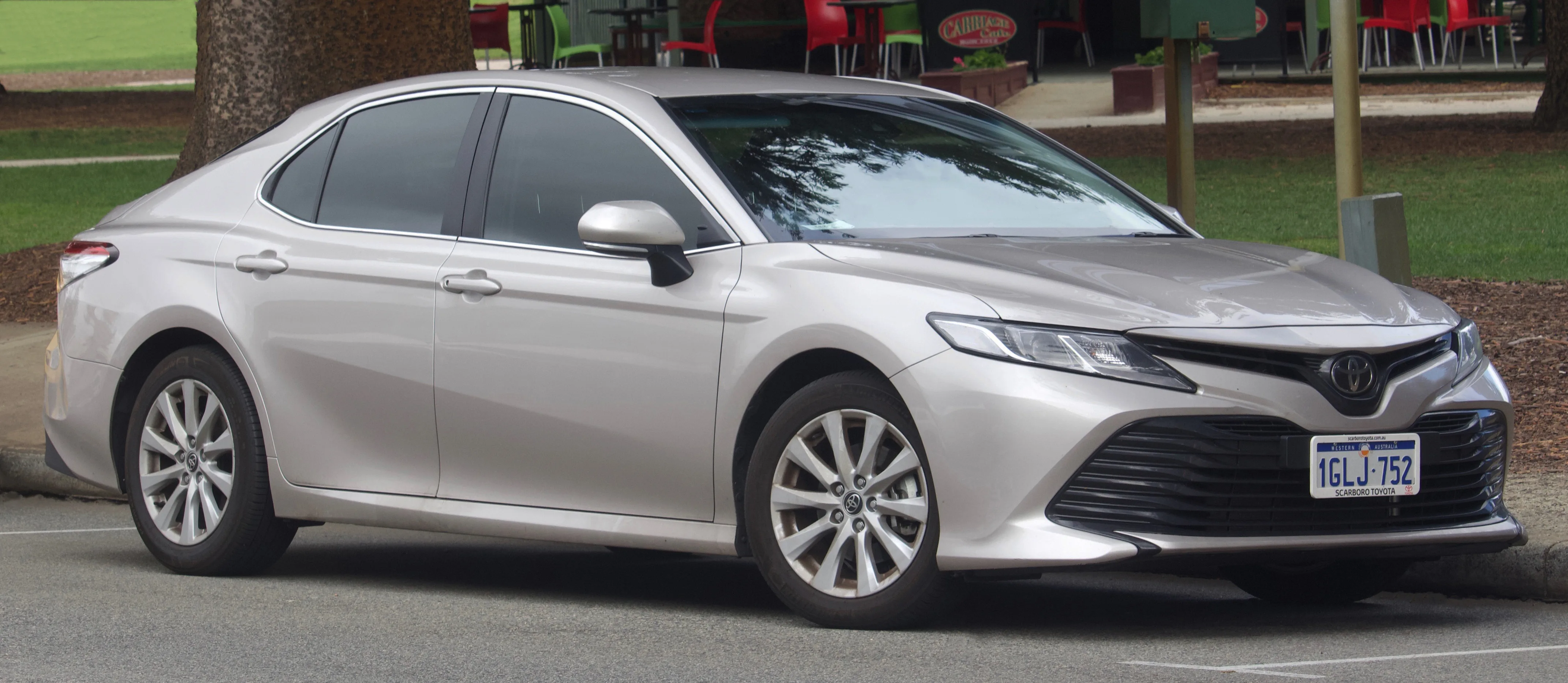
The 2020 Camry is a sensible midsize sedan, but normal ownership complaints can still waste money when the first check is too broad. Brake squeal, highway steering vibration, tire condition, battery reserve, and small suspension wear are the patterns worth isolating first.
Editorial review
A first-check path for 2020 Camry brake noise, highway vibration, battery behavior, and road-noise complaints.
At a glance
Ownership pattern
4
Core checks
The Camry usually stays cheap to own when brake refinement and highway-vibration diagnosis are kept narrow.
These are the Camry complaints most likely to turn into wasted parts if the first check is too broad.
1. Brake squeal
Pad compound, rotor surface, hardware service, and contact points should be checked before assuming the brake system needs broad replacement.
2. Highway vibration
Balance, tire condition, wheel damage, and alignment are the correct first checks when the steering wheel shakes at speed.
3. Battery reserve
A marginal battery can make a low-drama Camry feel inconsistent before a larger charging or electronics issue is present.
4. Road hum
Rotate and inspect tires before assuming every speed-linked hum is a bearing or hub problem.
Follow this order before spending money on a 2020 Camry complaint.
Open these once the Camry symptom is narrowed.
Car
The model-year overview connects the Camry checks to the matching problem and parts guides.
Generation
Use the generation view when you want the broader XV70 ownership map.
Parts path
The better next page when vibration still points toward tires after first checks.
These are the pages that matter most once the Camry symptom is clear.
Problem guide
Best when the main complaint is brake refinement and low-speed noise.
Problem guide
Open this when the car feels unsettled at speed and tires or wheels need to be ruled out first.
Problem guide
Useful when the Camry sits, runs short errands, then starts acting weak.
Problem guide
Start here when tire noise and wheel-end noise need to be separated.
These are the current parts paths worth opening after diagnosis.
Yes. The useful caveat is that brake refinement, tires, battery reserve, and highway vibration still need normal diagnosis instead of being ignored because the car is reliable overall.
Start with tire condition, balance, wheel damage, and alignment before replacing suspension or wheel-end parts.
Grinding brakes, vibration that gets worse quickly, warning lights, or steering changes should be checked promptly rather than treated as normal sedan wear.